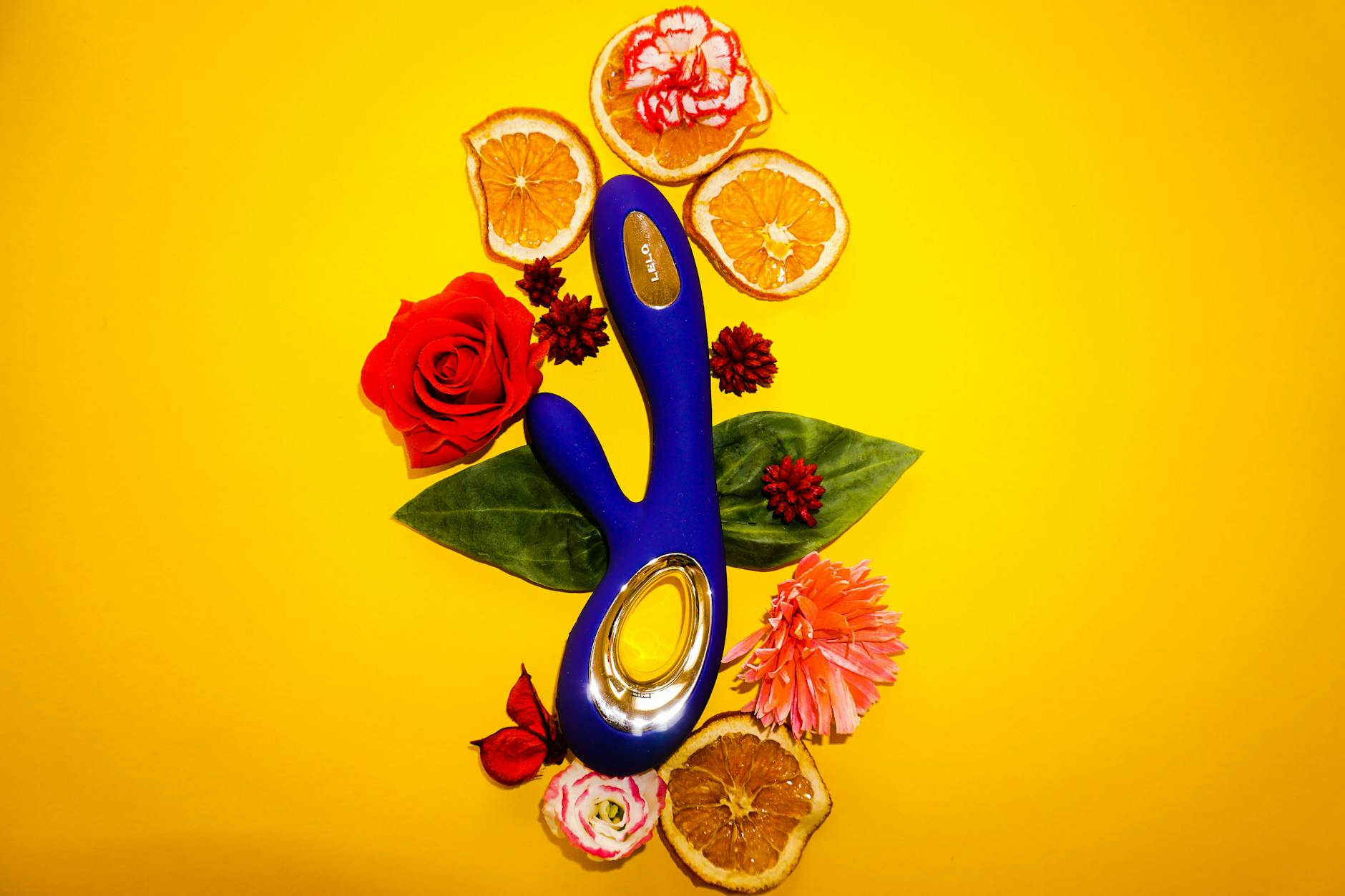
Here's the thing nobody tells you about stress and sex
When your nervous system is in overdrive, your body doesn't care about pleasure. It cares about survival. Cortisol floods your system, your pelvic floor tightens, and the thought of arousal feels somewhere between impossible and irrelevant.
You're not broken. Your brain is just protecting you from the thing it thinks is threatening.
Why stress genuinely kills arousal
Stress activates your sympathetic nervous system, the fight-or-flight branch. When you're in that state, your body diverts resources away from pleasure pathways and toward survival mechanisms. Blood flow moves from your genitals to your large muscles. Your vagina loses lubrication. Your ability to feel sensation dulls. Even your brain's reward centers get quieter.
The research is clear: sustained stress correlates with lower sexual desire, difficulty with arousal, and reduced orgasm intensity. A 2021 study in the Journal of Sexual Medicine found that people reporting high workplace stress were 2.5 times more likely to report sexual dysfunction.
But here's the plot twist. Once you understand what's happening physiologically, you can actually use that knowledge to reset your arousal.
The neurobiology of reclaiming pleasure under stress
Your autonomic nervous system has two main branches. The sympathetic branch (fight-or-flight) shuts down pleasure. The parasympathetic branch (rest-and-digest) turns it back on.
You can't think your way out of sympathetic dominance. You have to signal your body that it's safe.
That's where a clitoral vibrator like the Lemon comes in, but not in the way you might think. The Lemon's gentle suction stimulates thousands of nerve endings on the clitoris and surrounding vulva. That sensory input, when paired with intentional breathing and a calm environment, can actually shift your nervous system state.
When your clitoris receives consistent, non-threatening stimulation, it sends signals to your brain saying "this is safe." That permission signal can help your parasympathetic nervous system engage.
Three barriers stress creates (and how to work around them)
Barrier 1: Mental absence. Your mind is at work, scrolling through bills, replaying conversations. Your body is present but your attention is somewhere else entirely.
Workaround: Start solo, not partnered. Solo exploration removes the pressure to perform or keep someone else engaged. Set a timer for 15 minutes and give yourself permission to think about whatever comes up. The goal isn't arousal. The goal is just sensation. Notice what the Lemon feels like on different intensity settings. Notice your breath.
Barrier 2: Physical tension. Stress lives in your shoulders, your jaw, and especially your pelvic floor. A tight pelvic floor blocks sensation and prevents orgasm.
Workaround: Before touching yourself, take two minutes to intentionally relax. Progressive muscle relaxation works: tense each muscle group for five seconds, then release. Start with your face, move down to your shoulders, your core, your pelvic floor. Then use the Lemon starting at the lowest intensity (pattern 1 or 2) for five to ten minutes with zero expectation of climax.
Barrier 3: Shame about needing help. "I should be able to just feel horny. Using a vibrator feels like I'm faking it."
Workaround: Reframe the vibrator as a tool for resetting your nervous system, not a replacement for natural desire. A massage device doesn't "fake" relaxation into your shoulders. It signals your body that calm is safe. Same principle.
The four-step reset protocol
Use this when life stress has genuinely blocked your arousal.
Step 1: Create a real pause. Not five minutes between checking email. A genuine boundary. Tell your partner (if you have one) that you're taking 20 minutes for self-care. Silence your phone. This signals to your nervous system that the stressor is no longer immediate.
Step 2: Breathe deliberately. Before using the Lemon, spend two minutes on box breathing: inhale for four counts, hold for four, exhale for four, hold for four. This activates your parasympathetic nervous system faster than almost anything else.
Step 3: Start at the lowest intensity. The Lemon has multiple pattern and intensity settings. Begin at the gentlest. Your nervous system is still primed for threat. Gentle sensation feels safe. Intense sensation might feel startling.
Step 4: Stay present without expectation. Notice the sensation. Notice your breath. Notice what happens in your body without narrating it or judging it. Arousal often arrives quietly when you're not gripping for it.
Why this actually works over time
Pleasure is a learned state. Every time you give your nervous system permission to feel good in a safe context, you're building a neural pathway that says "arousal is possible even when life is hard."
One session won't undo chronic stress. But consistency does. After two to three weeks of regular solo practice, most people report that partnered pleasure becomes accessible again too.
The Lemon helps because the suction mechanism is fundamentally different from internal or penetrative stimulation. There's no pressure to perform. No complex choreography. Just sensation. For a stressed nervous system, simplicity is everything.
When to bring a partner in
Once you've reset your own arousal through solo practice, reintroducing a partner works better if you frame it as exploration rather than expectation.
Let them watch. Let them ask what feels good. Use the Lemon together and talk about the sensations you're noticing. This shared attention rebuilds intimacy while keeping the nervous system safe.
Works wildly better than "let's try to have sex like we used to" when you're both stressed.
The one thing stress-blocked people always get wrong
They try to force arousal by removing the stressor. "Once the project is done, once we move, once things calm down, I'll feel horny again."
Maybe. But often, your body has learned that arousal isn't safe right now. You need to actively teach it otherwise. A Lemon Vibrator gives you a tool to do that teaching in 15-20 minutes, three to four times a week.
Your pleasure deserves that time. Not when stress is gone. Right now.
People also ask
How long does it take for stress-blocked arousal to come back?
It varies, but most people notice shifts within two to three weeks of consistent practice. Some see change within days. The key is regularity, not intensity. Three times a week beats once every ten days.
Can I use a Lemon Vibrator while still feeling stressed?
Absolutely. The vibrator isn't waiting for you to feel calm first. It's a tool that helps your nervous system become calm. You use it while you're still stressed, and that's the point.
Does using a vibrator make it harder to feel arousal without one?
No. Research on clitoral vibrators shows the opposite. Regular use of a vibrator actually increases overall sexual satisfaction and arousal capacity. Your nervous system learns that pleasure is accessible in multiple ways.
What if I use the Lemon and still feel nothing?
That's not failure. It means your nervous system needs more consistent parasympathetic signaling. Lower the intensity further. Extend the timeline. Some bodies take longer to reset, especially if stress has been chronic. That's information, not a problem.
Should I use the Lemon alone or with a partner when I'm stressed?
Start alone. Solo practice removes social pressure and lets you focus purely on sensation. Once you've rebuilt your own arousal, partnered use becomes natural. They're different experiences with different benefits.
Can stress-blocked arousal happen even in healthy relationships?
Completely. In fact, it's common in strong relationships during high-stress periods. The relationship isn't the problem. Your nervous system is just in protection mode. The fix doesn't require relationship therapy. It requires nervous system reset.