The thing no one talks about: sexual numbness after years of the same routine
Here's what happens when you've been with the same person for a decade, or when you've settled into a pattern so predictable you could schedule it by the calendar. Your body stops paying attention. Not because you don't love your partner. Not because attraction died. It's neurology. Your brain learns the pattern, your nervous system stops firing the same way, and pleasure becomes something you remember instead of something you feel.
I see this constantly in my therapy practice. People describe it as being "checked out" or "going through the motions." What's actually happening is sensory adaptation. Your body has optimized itself for efficiency, which means it's tuned out the subtle signals that used to trigger arousal.
Why numbness isn't about desire, it's about novelty
Your clitoris has roughly 8,000 nerve endings concentrated in a space smaller than a pea. That's extraordinary sensitivity. But that sensitivity only registers change. When stimulation stays exactly the same for years, those nerves habituate. You could be touching yourself with the exact same pressure and rhythm your partner uses, and your body will barely notice.
This is why novelty matters so much in long-term relationships. Not in a dramatic way. Just in the specifics. A different touch. Different timing. Different sensations altogether.
Here's the part that shifts things: when you introduce a tool designed for precise, varied stimulation—like a lemon vibrator with multiple patterns and intensity levels—you're essentially giving your nervous system new information to process. Suction-based stimulation, in particular, works differently from traditional vibration. It creates a rhythmic pulling sensation that engages deeper nerve pathways.

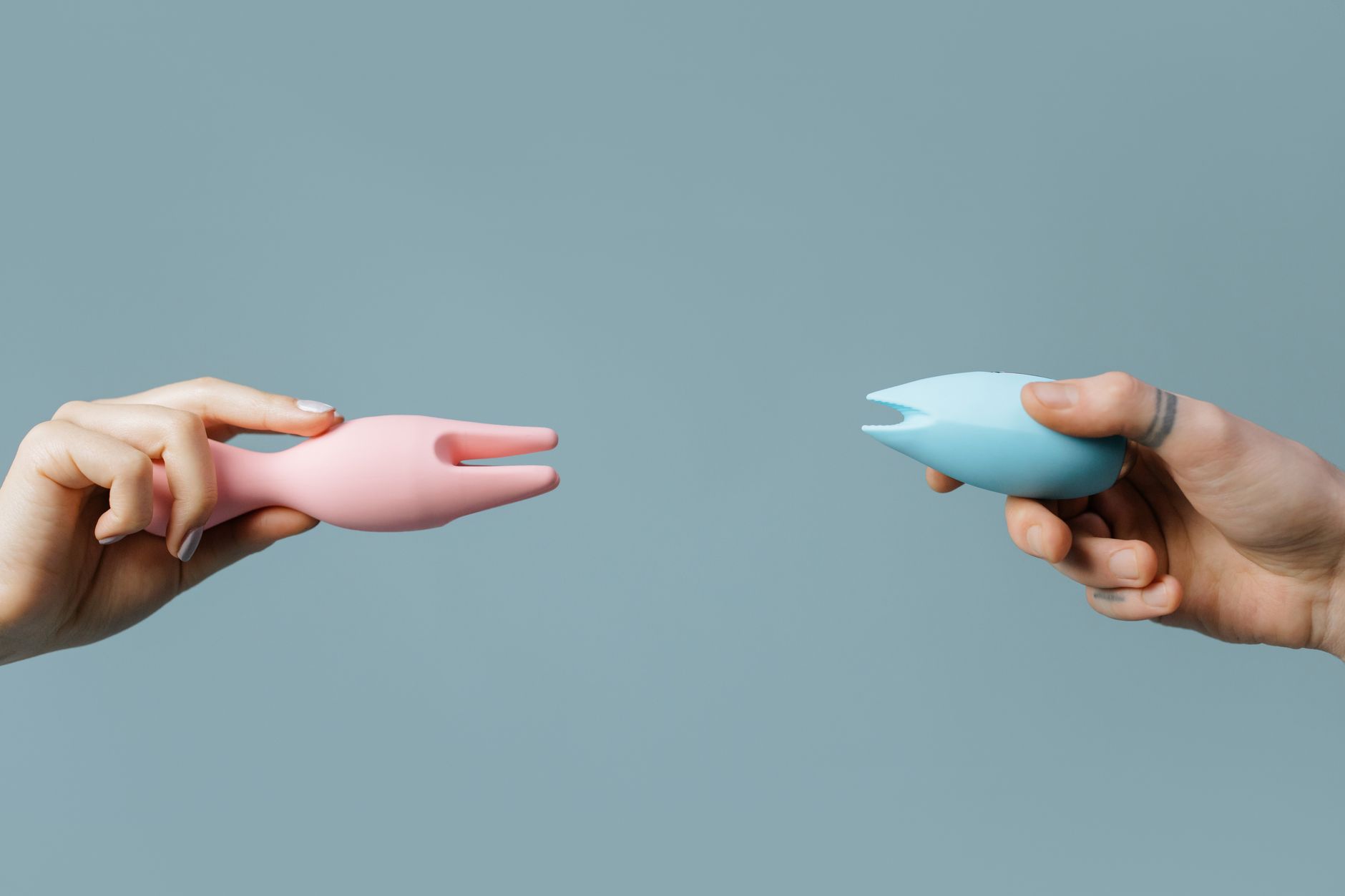
Photo by Madison Inouye on Pexels
Breaking the numbness: the lemon vibrator approach
A lemon clitoral vibrator works through air-suction technology, which creates a different sensation profile than what most fingers or traditional vibrators provide. This isn't just novelty for its own sake. It's neurologically strategic.
Here's how to use it to specifically target numbness:
Start with intention, not habit. Set aside time when you're not half-watching your phone or thinking about tomorrow's calendar. Your nervous system needs permission to pay attention. Fifteen minutes minimum, no distractions. This alone breaks the routine pattern.
Begin at the lowest intensity. If you're numb to normal stimulation, your instinct might be to jump to intensity level 5 or 6 on a clitoral vibrator. Don't. Start at pattern 1. Your goal isn't orgasm right now. Your goal is sensation mapping. Notice where you feel the suction. Notice if different areas of your clitoris respond differently. Some people find the left side more sensitive than the right. Most people have never checked.
Vary the contact point. Unlike your hand, which always approaches from the same angle, a lemon vibrator lets you shift slightly. Move it millimeters left or right. Change the angle. Pause. The variation itself is the signal your brain needs to re-engage.
Spend time at the edge. Don't chase orgasm. Spend 8-10 minutes just exploring sensation. Let arousal build slowly. When numbness is the issue, slow is what rewires your nervous system.
The partner conversation (if you're in one)
If you're navigating this with someone, what you're doing is not "replacing them" or "saying something's wrong with them." What you're doing is saying: I want to reclaim sensation in my own body, and here's a tool that helps.
Many long-term partners respond well to this if you frame it correctly. Instead of "I'm numb to you," try: "I want to feel more in my body. I found something that helps me get there. I'd like your company while I explore it."
Some partners want to be directly involved. Some want to be in the room but not directing the action. Some want to take a step back and let you reconnect with solo pleasure first. All of these approaches can work, depending on what your relationship actually needs.
The core thing: numbness in long-term relationships often points to a bigger conversation about attention and presence. A lemon vibrator can help you reclaim sensation, but it's pointing to something relational that probably needs talking about too.
What rewiring actually feels like
When you start using precision clitoral vibration after years of routine, the first thing you notice isn't usually intense pleasure. It's surprise. Your body realizes it can still respond. Your nervous system wakes up. This might take a few sessions. You might feel nothing the first time, something subtle the second, and actual arousal by the third.
This is normal. You're not broken. Your system is just reminding itself how to pay attention.
Many people report that after two or three weeks of intentional solo practice with a lemon clitoral vibrator, partnered sex starts feeling different too. Not because anything changed about your partner. Because you're more present. You're feeling more. You're bringing that re-awakened attention into shared moments.
Practical logistics
If you're returning to sensation after numbness, here's what helps:
Use water-based lubricant, even if you don't think you need it. Numbness sometimes correlates with slower arousal, which means less natural lubrication. Lube removes friction and lets you focus on sensation alone.
Set a timer for 15 minutes. This removes decision fatigue. You show up, you explore, you stop when the timer goes off. This structure actually helps your nervous system relax into sensation rather than chasing it.
Try one new pattern or intensity level per session, maximum. Your brain needs time to learn new stimulation. Throwing 10 different speeds at yourself in one session creates overwhelm, not pleasure.
Consider solo practice first. If you're rebuilding sensation, it's easier to do without the pressure of a partner present or the question of whether they're also enjoying it. Once you've felt the difference a lemon vibrator creates, bring that knowledge into partnered time.
When numbness signals something bigger
If you've tried a lemon vibrator, you've given it genuine effort, and you still feel nothing—or if the numbness is paired with total loss of desire, persistent depression, or disconnection in other parts of your relationship—this might warrant a conversation with a therapist or a medical provider.
Sometimes numbness is neurological adaptation. Sometimes it's depression wearing a pleasure disguise. Sometimes it's a relationship that's asking you for something you're not ready to give. A vibrator can help with the first one. The others need different tools.
FAQ: Numbness, novelty, and pleasure recovery
How long does it take to recover sensation after years of routine? Most people report noticeable shifts within 2-4 weeks of consistent, intentional practice. Some feel something shift within days. Recovery isn't linear, though. You might have sessions where you feel everything and sessions where you feel nothing. That's not failure.
Is it cheating to use a vibrator if I'm in a relationship? No. A vibrator isn't a person. It's a tool that helps you understand your own body better. Partners who feel threatened by this often feel threatened by the attention you're suddenly paying to yourself, not by the object. That's worth unpacking together.
What if my partner is the numb one? You can't rewire someone else's nervous system for them. But you can suggest the conversation. You can say: I notice things feel routine. I'd like to explore something different together. If they're not interested, that's also data about what your relationship is communicating about pleasure and presence.
Can I use a lemon vibrator with a partner? Absolutely. Some couples integrate lemon clitoral vibrators into partnered sex directly. Others use them solo, then bring the re-awakened sensation into shared moments. Both work.
Does numbness mean I need to leave? Not necessarily. But it does mean something needs to change. It could be novelty. It could be deeper presence. It could be addressing what's actually making you numb—stress, burnout, disconnection, depression. A vibrator can help you reclaim sensation. But sensation returning might also clarify what else needs attention in your relationship.
Why does suction feel different from vibration? Suction engages deeper nerve pathways in the clitoris and surrounding tissue. It creates a rhythmic pulling rather than a back-and-forth motion. For people adapted to traditional stimulation, this novelty often reignites sensation. It's not objectively "better," but it's different, and difference is what breaks numbness.
What if I feel awkward using a lemon vibrator alone? Start small. Set a timer. Tell yourself you're running an experiment on your own body, not performing pleasure. This reframe helps a lot of people get past initial resistance. Most awkwardness dissolves the moment your nervous system registers that sensation is actually available.
The real shift
Numbness after years of routine isn't a relationship failure. It's your nervous system telling you that something needs to change. A lemon vibrator is one tool for waking that system back up. But the real work is noticing: after years of the same, what would it feel like to pay attention again. And then choosing to do it.