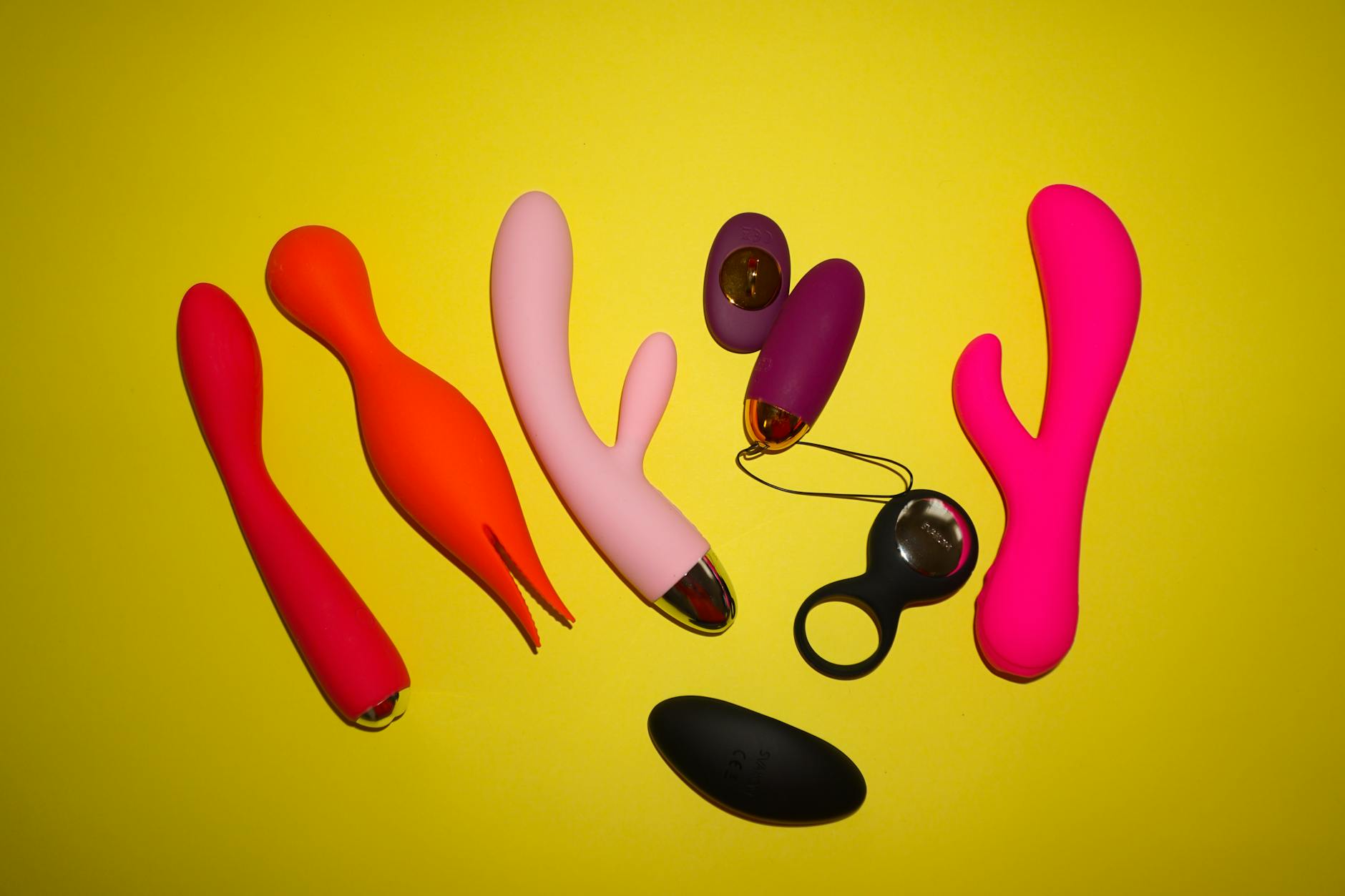
How to Rebuild Physical Connection With a Lemon Vibrator After Emotional Distance
Let's be real. When a relationship cools, the first thing that vanishes isn't conversation. It's touch. And not just sex. The small stuff. A hand on your back while you're making coffee. A shoulder that doesn't feel like a wall.
Then sex becomes this loaded thing. Because now it's either a statement ("We need to fix this") or an absence that becomes its own form of communication. Both feel terrible.
The weird part? Sometimes the way back to emotional closeness runs straight through physical pleasure. Not because pleasure fixes everything. But because touch, when it's about you instead of the relationship, can crack open something that's been locked tight.
I've worked with dozens of couples in exactly this spot. The ones who actually rebuild don't start with conversations about the distance. They start with permission. Permission to feel good, separately, and then together.
A lemon vibrator is not a marriage counselor. But it's a reset button for sensation. And sensation is how you remember that your body isn't just a problem to solve with your partner. It's a source of information, pleasure, and trust.
Why emotional distance kills physical sensation
When you're hurt or angry at your partner, your nervous system knows it before your brain catches up. You physically withdraw. Your pelvic floor tenses. Arousal becomes slower because some part of you is protecting you from vulnerability.
This isn't broken. It's smart. Your body is saying, "I don't feel safe opening up right now."
But here's what happens over months: that protective tension becomes the baseline. You forget what relaxation felt like. You forget that touch used to feel good without obligation attached to it. Pleasure becomes either impossible or tied so tightly to the relationship that it can't exist independently.
Which means you're now in a trap. You can't reconnect physically until you reconnect emotionally. But you can't reconnect emotionally until someone initiates touch. Neither person wants to make the first move because the first move feels vulnerable in exactly the way that got you hurt before.
Breaking that loop requires reintroducing pleasure in a context where it's purely about sensation and recovery. Not about the relationship. Not about proving anything. Just about waking up your nervous system again.
Solo pleasure as the bridge back
This is the part most couples skip, and it's the part that actually matters.
Before you can rebuild physical intimacy with a partner, you need to rebuild it with yourself. You need to remember what your body wants independent of anyone else's approval, timing, or presence.
A lemon vibrator is perfect for this because it's direct and specific. It's not trying to feel like a partner. It's not a substitute for connection. It's just providing sensation. Clitoral vibrators work on the body's nerve pathways without requiring the kind of emotional availability that's hard to muster when you're in distance mode.
Start alone. Give yourself 10 or 15 minutes where pleasure is the only goal. No partner, no guilt, no relationship negotiation. This serves two purposes. One: it reminds your nervous system that sensation can feel good again. Two: it shifts the narrative from "my body doesn't work" to "my body works fine, I'm just scared."
That distinction changes everything.
Setting up for solo reconnection
Here's what actually works when emotional distance has dulled sensation.
Start low and patient. Don't charge in at high intensity. Your nervous system needs convincing that this is safe. Begin on the lowest setting of a lemon clitoral vibrator and spend five minutes just noticing. Not pursuing an orgasm. Not checking whether sensation is "good enough." Just feeling.
Water-based lubricant every time. When you're tense, tissue can feel dry or sensitive. Lubricant isn't admitting defeat. It's removing a barrier so you can focus on what matters.
Use the suction, not just vibration. Lemon adult toys use gentle suction that stimulates without aggressive pressure. For people whose pelvic floor has been locked tight from emotional tension, suction often works better than vibration alone because it doesn't trigger the same protective reflex.
Routine matters. Set aside the same 15 minutes three times a week. Consistency teaches your nervous system that this is now a safe container. Your body starts anticipating pleasure instead of defending against it.
The conversation that actually needs to happen
Before you invite your partner back into the physical picture, you and your partner need to have one conversation. Not about the distance itself. About this:
"I'm going to spend some time reconnecting with my own body and pleasure, separate from us. This isn't about the relationship. It's about me remembering that sensation is something I can access. I'm telling you because honesty matters. I'm not asking you to do anything except understand that my pleasure, independent of you, is actually what's going to help me be more available to you."
If your partner responds with jealousy or control, you have a different problem than distance. That's a sign the relationship may need actual therapy before the two of you reconnect sexually.
If they respond with understanding (or better yet, if they do the same thing), you're setting up the real repair.
Rebuilding together
After you've spent two to three weeks rebuilding sensation alone, you can invite your partner back. And here's the key: not all at once.
The first time might look like: you use a lemon vibrator while they're present, but not participating. Just watching. No pressure. No obligation to transition into partnered sex. This does something specific. It shows your partner that your pleasure isn't a performance for them. It's a thing that exists. And it's available.
Something shifts when a partner sees you take care of yourself without asking them to fix anything. It's often the first moment real safety returns.
The second time, they might touch you while you're using the vibrator. Not sexually, initially. A hand on your chest. Your leg. Connection without demand.
The third time, you might use the vibrator on them, or you might transition into partnered touch. But the structure is: sensation first, relationship politics second.
This order matters. When you lead with pleasure, you're not trying to fix the distance. You're building a new pathway around it.
Common patterns to watch for
Most couples trying to rebuild after distance hit one of three walls.
Guilt. The partner not using the vibrator feels excluded or jealous. The solution: remember you're rebuilding for both of you, just in sequence. Reassurance is real, and it takes time.
Spectating instead of connecting. One partner watches like it's entertainment instead of being present. That kills it. Presence means you're there with your body, not your phone or your anxiety. If presence feels too vulnerable, that's information. That means you're not ready yet.
Treating pleasure as foreplay. Once sensation returns, couples often rush back into sex, and suddenly the vibrator is a "thing you use before." That misses the point. Pleasure is the thing. Sex may or may not follow. Keep them separate for at least two months.
FAQ
How long does it usually take to feel sensation again after emotional distance?
Two to four weeks of consistent solo practice. But rebuilding enough safety with a partner to reconnect? That often takes eight to twelve weeks. Don't rush it. Speed is how you rebuild protective tension.
What if I feel nothing even with a lemon vibrator?
That's not a failure. That's information. Emotional numbness sometimes needs more than sensation work. If after three weeks of solo practice you still feel literally nothing, a therapist who specializes in trauma or intimacy can help. Some people need to process the hurt before pleasure can return.
Can using a vibrator alone actually help reconnect a couple?
Not directly. But it removes one barrier (numbness) so you can address the actual barrier (hurt, fear, breach of trust). Couples therapy focuses on those emotional barriers. The vibrator just makes sure you're not also fighting your own nervous system.
Should we tell a therapist if we're using a lemon vibrator as part of our reconnection?
Absolutely. A good couples therapist will see it as a tool, not a substitute for their work. The transparency actually builds trust faster.
What if my partner won't accept me using a vibrator alone?
That's a control pattern, not a distance pattern. That's worth naming in therapy, separate from pleasure work. Your body belongs to you first.
Is it okay to use a vibrator if I still feel angry at my partner?
Yes. Anger and healing aren't opposed. Anger often means you still care enough to want things to change. Solo pleasure while angry can actually be clarifying. It can help you understand what your body needs that the relationship isn't providing.
The deeper work
Emotional distance doesn't heal through pleasure alone. It heals through honesty, repair, and time. But reconnecting your nervous system to sensation is the first step that makes the other work possible.
When you can feel good in your body again, you're no longer operating from a place of scarcity and fear. You're operating from a place of choice. And that changes everything.
A lemon vibrator isn't a marriage fix. But it's a signal to your body and your relationship that pleasure, trust, and sensation are worth rebuilding. And that's always the beginning.
If you're in a relationship that's struggling with distance and you're ready to rebuild, talking to a couples therapist alongside your pleasure work is powerful. You don't have to do this alone. Get in touch with someone who can help.