
Here's what nobody tells you about pleasure in long-term relationships
You fall in love with someone. For a while, everything feels synchronized. Then one day you realize: you want something totally different. They like slow buildup and extended foreplay. You crave quick, intense sensation. They're excited about penetration. You're most turned on by clitoral stimulation. Neither of you is wrong. You're just... different.
Most couples never actually talk about this. Instead, they end up in a weird dance where one person's needs quietly lose. Someone's always modulating, always adjusting, always doing pleasure on someone else's terms. That's not intimacy. That's negotiation.
Here's the thing that changes everything: you don't have to choose the same pleasure. You can each have yours, at the same time, in the same space. That's where tools like lemon vibrators come in. Not as a band-aid. As an actual solution that lets both people get what they need.
What "different pleasure preferences" actually means
Let me get specific, because the term sounds abstract.
One partner might want 20 minutes of foreplay before anything else happens. The other wants 5 minutes of buildup and then direct clitoral stimulation for intensity. One person craves pressure and friction. One feels overstimulated by pressure and needs suction or gentle indirect touch instead. One wants noise and feedback. One needs silence and total focus inward. One wants multiple orgasms in one session. One gets tired after the first and prefers to stop there.
These aren't incompatibilities. They're just different neural wiring, different bodies, different arousal patterns.
The problem: most people interpret "different from mine" as "wrong" or "something I need to fix." So the higher-desire partner feels rejected. The lower-intensity partner feels pressured. Both end up resentful.
The shift: "different" just means you're going to need different tools, or you're going to use the same tools differently.
Why this matters more than you think
When couples have genuinely mismatched pleasure styles and never resolve it, the research is clear. Sex happens less. Resentment builds. People start saying "I'm just not in the mood" (true) or "I'm too tired" (sometimes true) or "I don't want sex anymore" (often not the real issue). What they're actually saying is: "I don't want to do sex on your terms."
But here's the plot twist. Most of those people still want pleasure. They want it on their own terms.
The couples I work with who've cracked this tend to have one thing in common: they stopped assuming their partner's pleasure was the priority and started making space for both. That usually means using a clitoral vibrator like the Lemon, or lemon sucker devices that let one person get their exact sensation while the other person gets theirs.
It sounds simple. It's weirdly revolutionary.
The conversation you actually need to have
Most people try to solve this in the moment, during sex. Worst time to talk about it.
Instead, have this conversation when you're both clothed, not aroused, and you have privacy. The goal is not to criticize. It's to get curious.
Start here:
"When we're together, what does your body actually want? Not what you think I want. What does your body ask for?"
Listen. Actually listen. Don't defend or explain.
Then: "What sensation do you crave the most? What makes you feel most yourself?" This might be: intensity, slowness, suction (which is why lemon vibrators work so well), gentleness, rhythm, spontaneity, predictability, penetration, purely clitoral focus.
Then ask yourself the same questions and answer honestly.
Write them down if it helps.
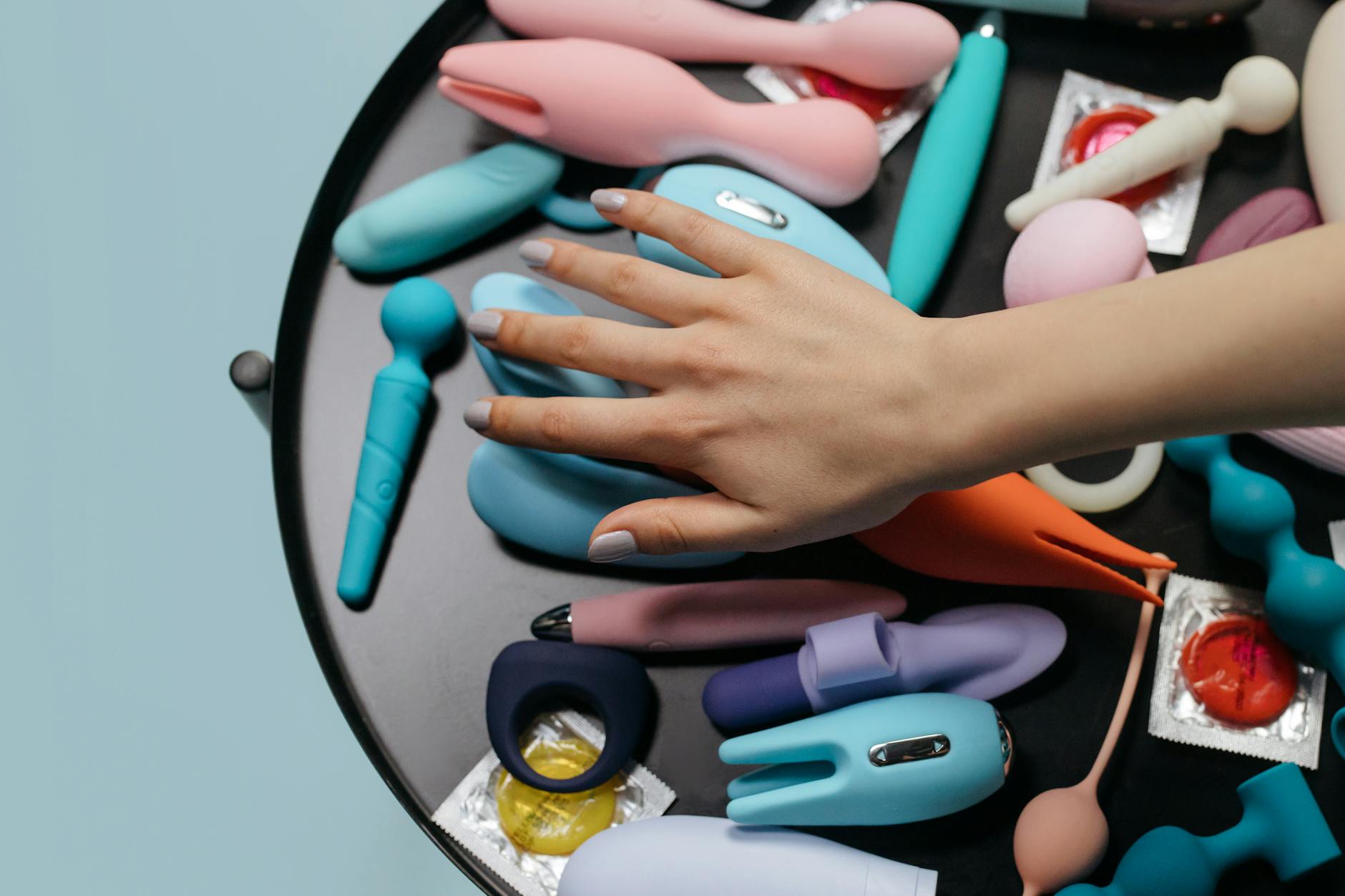
Photo by cottonbro studio on Pexels
The point isn't to judge. It's to know what you're actually working with.
How a lemon vibrator bridges the gap
One of the reasons clitoral vibrators like lemon vibrators are game-changers for couples with different preferences is the range they offer.
Let's say one partner wants gentle, sustained sensation while the other wants intense pulsing. A lemon vibrator's suction-based technology lets you adjust the intensity without changing the sensation type. Pattern 1 through 3 might be barely-there pressure that builds slowly. Patterns 4 through 7 can be deep, rhythmic, intense.
Same toy. Two totally different experiences. Both at the same time.
This matters because it eliminates the false choice: "Do we do this your way or my way?" Instead you can both do it your way simultaneously.
For partners where one person gets uncomfortable with very direct clitoral stimulation (common after birth, hormonal changes, or just baseline sensitivity), a lem vibrator's suction motion is often less painful than traditional vibration. The partner who wants more intensity can use patterns 6 or 7. The sensitive partner can use patterns 1 or 2. You're both getting what works.
It's not about compromise. It's about having a tool that's versatile enough to be two things at once.
The pressure conversation (and why it matters more than you think)
One thing I see constantly with couples: they confuse pressure preference with arousal level.
You want lighter touch. Your partner assumes you're less turned on.
You want intense, fast sensation. Your partner assumes you're impatient or not connected.
Neither is true. Pressure preference is neurological. Some people's clitorises have higher nerve density and lower pain tolerance. Some have lower nerve density and need more pressure to feel anything at all. Some are in the middle.
When you use a lemon clitoral vibrator together, make space for this explicitly. "I'm going to use pattern 2 because that's what my body needs. You use pattern 6. Both of us are present, both of us are turned on, both of us are getting what we need."
Saying it out loud matters. It signals: I'm not less into this because my intensity is lower. I'm just wired differently.
Timing, rhythm, and how to stay synchronized
Here's a detail most couples miss: different pleasure preferences aren't just about intensity. They're about timing and rhythm.
One person takes 8 minutes to reach a plateau. Another takes 20. One person wants to build slowly to one deep orgasm. Another wants fast waves of multiple orgasms. One person needs to slow down and reset between orgasms. Another wants continuous stimulation.
When you both have access to your own tool (or even if you're sharing a lemon vibrator, taking turns with different patterns), you get to honor your own timing instead of syncing yours to theirs.
What this often reveals: a lot of the frustration couples feel isn't about the other person. It's about having to override their own body's rhythm to match someone else's.
When each person can go at their own pace in the same moment, something shifts. The pressure releases. Sex stops feeling like a performance and starts feeling like connection.
Setting a boundary that actually protects the relationship
Here's the hard part no one talks about: sometimes you need to say "I'm not going to try to want what you want, and I'm not asking you to try to want what I want."
That's not giving up on each other. That's actually honoring the relationship.
Sometimes couples invest huge energy trying to convince their partner they should want the same thing. "If you just tried it my way, you'd like it." "You're not giving my preference a real chance." This creates a dynamic where pleasure becomes about proving something rather than feeling something.
Here's the boundary: "I respect what your body wants. You can respect what mine wants. We don't have to match."
Lemon sexual toys and clitoral vibrators actually make this boundary easier because you literally don't have to match. You can both be satisfied, simultaneously, with totally different sensations.
When one person has way more desire for novelty or sensation
Some couples hit a different snag: one partner is endlessly curious about new sensations, pressures, patterns. The other feels satisfied and doesn't need that variation. One person wants to try things every time. One person has a go-to that works and sees no reason to change it.
This is not a libido mismatch. It's a novelty-seeking mismatch.
With a device like a lemon vibrator that has multiple patterns and intensities, the novelty-seeker can explore while the other person sticks with what they know works. You're using the same toy but in completely different ways.
It's the relationship equivalent of going to the same restaurant: one person orders the same dish every time, the other tries something new. You're both happy.
The trust layer underneath all of this
Let me be direct: couples who can handle different pleasure preferences well tend to have high trust. That's not a coincidence.
When you can say "I like this, you like that, and both are valid," you're essentially saying: "I don't need you to be a copy of me to feel safe." That's deep trust.
When you can watch your partner use a lemon vibrator the way they want while you use it the way you want, you're both saying: "I trust that your pleasure isn't a threat to mine."
Some couples resist this because it feels like admitting you don't fully satisfy each other. That's the wrong frame. Full satisfaction isn't about one person meeting every single need. It's about both people being honest about what they need and creating space for each person to have that.
Trust is what makes that possible.
FAQ: Different pleasure preferences and using lemon vibrators
What if my partner thinks using a vibrator means I'm not satisfied with them?
This is probably the biggest barrier couples face. Here's what I tell clients: a vibrator is not a replacement. It's a tool that lets you get a specific sensation your partner's body can't always provide. Using a lemon clitoral vibrator doesn't mean your partner failed. It means you're both being honest about what your bodies actually need.
The conversation that matters: "When I use this, I'm not thinking about someone else. I'm being more present with you because I'm actually getting what my body needs instead of trying to want what your body gives."
Is it weird to use a lemon vibrator at the same time as partnered sex?
Not even a little. For couples with different preference styles, simultaneous use is often the solution. One partner can penetrate while the other uses a lem vibrator for clitoral stimulation. One partner can receive external stimulation while the other uses suction on themselves. You're literally both getting exactly what you need.
What if we both like the same intensity but different everything else?
Then the conversation is about sensation type, not pressure. Maybe you both want intensity but one wants deep pressure and one wants rapid rhythm. A lemon vibrator's different patterns let you dial into exactly what each person craves. Patterns 1-3 might be slow and sustained. Patterns 5-7 might be fast and pulsing. Both intense, totally different feel.
How do I know if our preference difference is too big to bridge?
I've rarely seen a preference difference that's actually incompatible. What I've seen is communication differences, trust issues, and people trying to solve physical problems with emotional solutions (or vice versa). If you can talk about your preferences without judgment and you can use tools like lemon sexual toys to honor both, you can bridge almost anything. If the real issue is that one person feels rejected or undesired, that's a trust and connection conversation, not a preference conversation.
Can we take turns using the lemon vibrator instead of both at the same time?
Absolutely. Some couples prefer this. One person gets focused, extended pleasure while the other watches or participates differently. Then you switch. It works great for couples where privacy or presence matters more than simultaneous orgasm.
What if talking about preferences feels too vulnerable?
Start really small. "What's one thing that feels amazing to you?" You don't have to map out every preference at once. Let it be a conversation that unfolds over weeks. Use lemon adult toys or other tools as a way to explore without judgment. "Let's try this and see what your body actually wants." That's often easier than talking about it.
The shift that changes everything
Most relationships treat pleasure like something that should naturally synchronize. You fall in love, you have compatible chemistry, sex just works.
That's actually pretty rare.
What's much more common: two people with genuinely different pleasure wiring, who love each other, and who can choose to honor both versions of pleasure instead of asking one person to override their body.
That's where a lemon vibrator, or any good clitoral vibrator, actually transforms the equation. Not because it's magic. Because it makes the solution physical instead of emotional.
You don't have to convince your partner to want what you want. You don't have to want what they want. You both just get to have what you need, at the same time, in the same space.
That's the opposite of compromise. That's both of you winning.
If you're navigating this with a partner and want to talk through how to approach the conversation, I'm here. Let's connect.