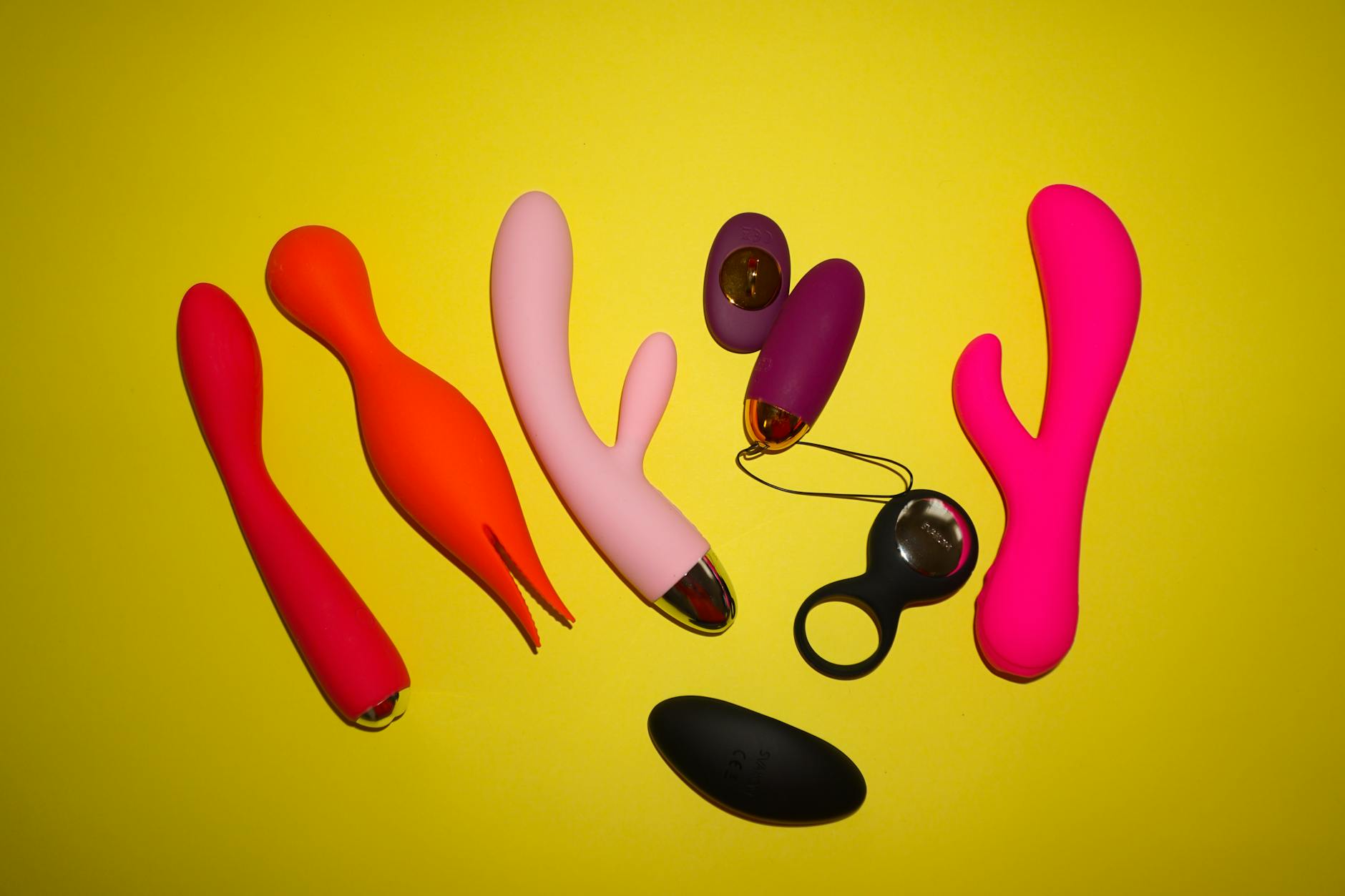
How to Use a Lemon Vibrator for Better Sensation After Pelvic Floor Surgery
Surgery changes how your body responds to touch. Here's what actually happens, what timeline is realistic, and why air-suction tools like the Lem work so well during healing.
Let's be real: pelvic floor surgery is not a topic that gets the honest conversation it deserves. You get discharged with pamphlets about sitting on ice and not lifting heavy things. Nobody tells you that sensation can feel weird, that arousal might feel muted, or that your body's entire pleasure map might need recalibration.
Pelvic floor surgery (whether that's a sling procedure, pelvic floor reconstruction, or repair following trauma) changes tissue, nerve pathways, and how quickly your body wakes up to stimulation. It does not end pleasure. But it does change the timeline and the approach.
Here's what actually happens physiologically after surgery, and why tools like the Lemon clitoral vibrator can become part of safe, intentional recovery.
During pelvic floor surgery, the surgeon works with tissue that's supporting your bladder, urethra, or pelvic organs. This means scar tissue forms, nerve endings get stretched or temporarily numbed, and the whole region needs time to reawaken. It's not pain, usually. It's more like your pleasure circuits got temporarily unplugged.
Three things happen simultaneously:
First, direct pressure on the surgical site can feel tender, tight, or weirdly numb. This is normal and usually fades between 6 to 12 weeks, though some people feel residual sensations for months. Second, the clitoral nerves (which branch down from the pelvic region) sometimes feel hypersensitive instead. Light touch might feel unbearable; deeper stimulation might feel muted. Third, arousal takes longer to build because the nervous system is busy healing instead of turning on.
There's also the psychological piece. Surgery creates a story your body tells: "this area was cut open, stitched up, and is fragile." That story lives in your nervous system even when the stitches dissolve. Your body might hold tension reflexively, even if it's safe to move and feel again.
Most gynecologists give a blanket "six weeks before penetration" clearance. But that's a minimum, not an invitation to resume everything. Your clitoris wasn't touched during the surgery, but the nerve pathways feeding it were affected.
Here's a more realistic timeline:
Weeks 1-4: Touch is mostly about gentle awareness, not arousal. Massage your inner thighs and outer genitals with your fingers or a soft brush. No vibration yet. The goal is neurological recognition, not pleasure. Your nervous system is still processing that the area is safe.
Weeks 4-8: This is when low-intensity, non-insertive tools start making sense. A Lemon vibrator used on its lowest setting (pattern 1 or 2) on the outer genitals introduces gentle vibration without pressure. Air-suction patterns feel particularly good here because they don't require direct friction on newly healed tissue. The Lem's design is perfect for this phase: no insertion, just external stimulation.
Weeks 8-12: Your body usually has enough sensation return that you can explore moderate intensity. This is when you might try patterns 3-5 and start paying attention to what actually feels good versus what you think should feel good.
After pelvic floor surgery, standard vibrators can feel too direct or too intense. They rely on friction against tissue that's still reorganizing. Air-suction tools like the Lemon vibrator work differently. They use gentle suction and pulsing rather than direct vibration, which means you get stimulation without pressure.
Three advantages for post-surgery recovery:
1. No contact anxiety. You don't have to worry about hitting a tender spot because the suction creates distance. Your tissue isn't being pressed against anything directly. This matters psychologically as much as physically. Your nervous system relaxes when there's no risk of pain.
2. Graduated sensation. The Lem has multiple patterns and intensity levels. You can start at pattern 1 (barely there, almost hypnotic) and stay there for weeks if needed. There's no pressure to move up. Some people spend a month on pattern 2 before progressing, and that's exactly right for their body.
3. Engages the vulva, not the scar. The suction focuses on the clitoral complex and surrounding tissue, not on the surgical site. If your surgery was vaginally reconstructive, the Lem lets you explore external pleasure while that heals separately.
Start with the absolute lowest intensity. I mean pattern 1. Not pattern 2, not "medium low." Pattern 1. The suction should feel almost like someone gently holding a breath against your skin, not like a vacuum.
Set aside 10-15 minutes in a quiet space where you won't be interrupted. Your nervous system needs time to calibrate, and stress or performance pressure will literally shut down sensation. Light a candle. Put your phone on silent.
Begin by using the Lem around the outer labia and mons pubis, staying away from any area that still feels raw or tender. Move slowly. If something feels sharp or wrong, stop. There's a difference between "this is unfamiliar" and "this hurts." You're learning the difference between those two sensations again.
Don't aim for orgasm. Seriously. The goal is nervous system recovery, not a result. If an orgasm happens, great. If not, you still won.
If you're with a partner, let them know you're exploring and why. You don't need their participation yet. But having their emotional support and knowing they're patient removes a huge layer of pressure.
Scar tissue is tight and sometimes hypersensitive. This is temporary but real. Some people find that regular, gentle massage of the external scar area using coconut oil or a plain water-based lubricant actually speeds up nerve healing.
Before using the Lem, try five minutes of manual massage with your fingertips on the scar itself. Then wait a few minutes and try the vibrator. You might find that pre-massage reduces the weird hypersensitivity.
If certain patterns feel irritating, skip them for now. Lemon vibrators have eight patterns. You don't need all of them yet.
Here's what surprised most of my clients: arousal actually speeds healing. Not from rushing back to sex, but because arousal increases blood flow to the area. That blood flow brings oxygen and healing compounds.
This is why exploration with the Lem, even without orgasm as a goal, helps. You're not "rushing" recovery. You're facilitating it by gently activating the nervous system.
But there's a second layer. After pelvic floor surgery, many people feel disconnected from their body or mistrustful of their pelvis. Pleasure is the antidote. Pleasure rewires the story from "my body betrayed me" to "my body is resilient and capable of feeling good."
Most people regain baseline sensation by week 12. If you don't, talk to your surgeon or a pelvic floor physical therapist. Persistent numbness or hypersensitivity sometimes means scar tissue is adhering in a way that needs manual therapy to break up. This is fixable, but it needs professional hands.
Don't assume "this is just how I am now." Sensation often continues improving past the three-month mark, especially with professional support.
If you have a partner, separate conversations about surgery recovery from conversations about your relationship. "My body is healing and sensation is weird" is different from "I want us to feel close again." Mixing them creates confusion.
Most partners want to help but don't know how. Watching you explore with a Lemon vibrator, explaining what you're discovering ("pattern 2 feels good now", "the sides feel more alive than the center"), and letting them participate in your timeline rebuilds intimacy without pressure.
Pelvic floor surgery can shake your sense of bodily autonomy. Your pelvis isn't just functional. It's connected to pleasure, sexuality, control, and core identity. Surgery disrupts that. Rebuilding it requires patience with yourself that goes deeper than physical healing.
You might find yourself resisting pleasure, even when it's physically safe. That resistance is your nervous system protecting you. It's not broken. Gentle, repetitive exploration with a tool like the Lem gradually rewires that protection into trust.
Sensation returns. Trust returns. Pleasure returns. But it returns on your timeline, not the surgeon's discharge papers.
Most surgeons clear external vibrator use around week 4-5, once superficial healing is complete. But cleared doesn't mean "ready." Start at week 6-8 with very low intensity to give your nervous system time to process safety. If your surgery was internal reconstruction, ask your surgeon specifically.
Yes. Suction creates a gentle pulling sensation without friction. For post-surgery bodies, this feels safer because there's distance between the vibrator and your skin. Regular vibrators require direct contact, which can trigger protective tension. The Lem's suction design is one reason people in recovery often prefer it.
Not with external stimulation using low intensity. Your scar tissue is surprisingly robust. But you can trigger protective tension, which creates pain and actually slows healing. That's why starting low and respecting your body's "no" matters more than the vibrator choice itself.
They don't understand the timeline yet. Most people recover sensation and desire within 3-4 months, but "normal" takes longer. Have one conversation where you explain what's happening physiologically (scar tissue, nerve recovery, nervous system recalibration). Then agree on a monthly check-in to reassess. Most partners relax once they understand this is temporary, not permanent.
Completely. Stress, hormones, sleep, and inflammation all affect how your nervous system perceives touch. A pattern that felt numb yesterday might feel amazing today. This isn't regression. It's the normal noise of healing.
Stop. Take a break. Pelvic floor surgery touches something deeper than physical tissue. If exploration brings up sadness, grief, or anger, that's your body processing. Don't push through it. Breathe, rest, and come back when you feel ready. This is normal and it passes.
Pelvic floor surgery isn't just physical recovery. It's nervous system recalibration, story rewiring, and pleasure rebuilding. A tool like the Lemon vibrator becomes part of that process when you use it intentionally, starting low, and trusting your body's wisdom about timing.
Sensation returns. Trust returns. Pleasure returns. But it returns on your timeline, not the surgeon's discharge papers.
If you're struggling with this recovery, want to talk through your specific situation, or need support rebuilding intimacy with a partner, reach out. This is exactly what I help people navigate.