Let's start with what nobody names out loud
Clitoral numbness is common. It arrives quietly and makes you wonder if something is broken. It isn't. Desensitization happens for actual reasons, and it responds to specific approaches. Here's what I tell my clients: reduced sensation is not the same as lost sensation. The nerve endings are there. The pathways are intact. You're not rebuilding from scratch. You're rewaking what's dormant.
Why clitoral desensitization happens
Desensitization shows up after sustained pressure stimulation, frequent intense vibration, or sometimes after long periods without any stimulation at all. The clitoris has roughly 8,000 nerve endings concentrated in the glans, and those nerves adapt to repeated input. If you've been using the same toy at the same intensity for years, or if you've been using high-frequency vibration constantly, your nerve receptors literally learn to tune that signal out. Your brain stops registering what it hears every day.
Hormonal shifts contribute too. Low estrogen thins the tissue covering the clitoris, which can muffle sensation. Antidepressants, blood pressure medications, and hormonal birth control all have legitimate desensitizing effects. Pelvic floor tension sometimes masks sensation by restricting blood flow. And sometimes, honestly, stress and disconnection from your body just turn the volume down.
The good news: nerve adaptation is reversible. Give the clitoris different input, vary the stimulation, take breaks, and sensation often returns within weeks.
Why lemon vibrators work differently for desensitization
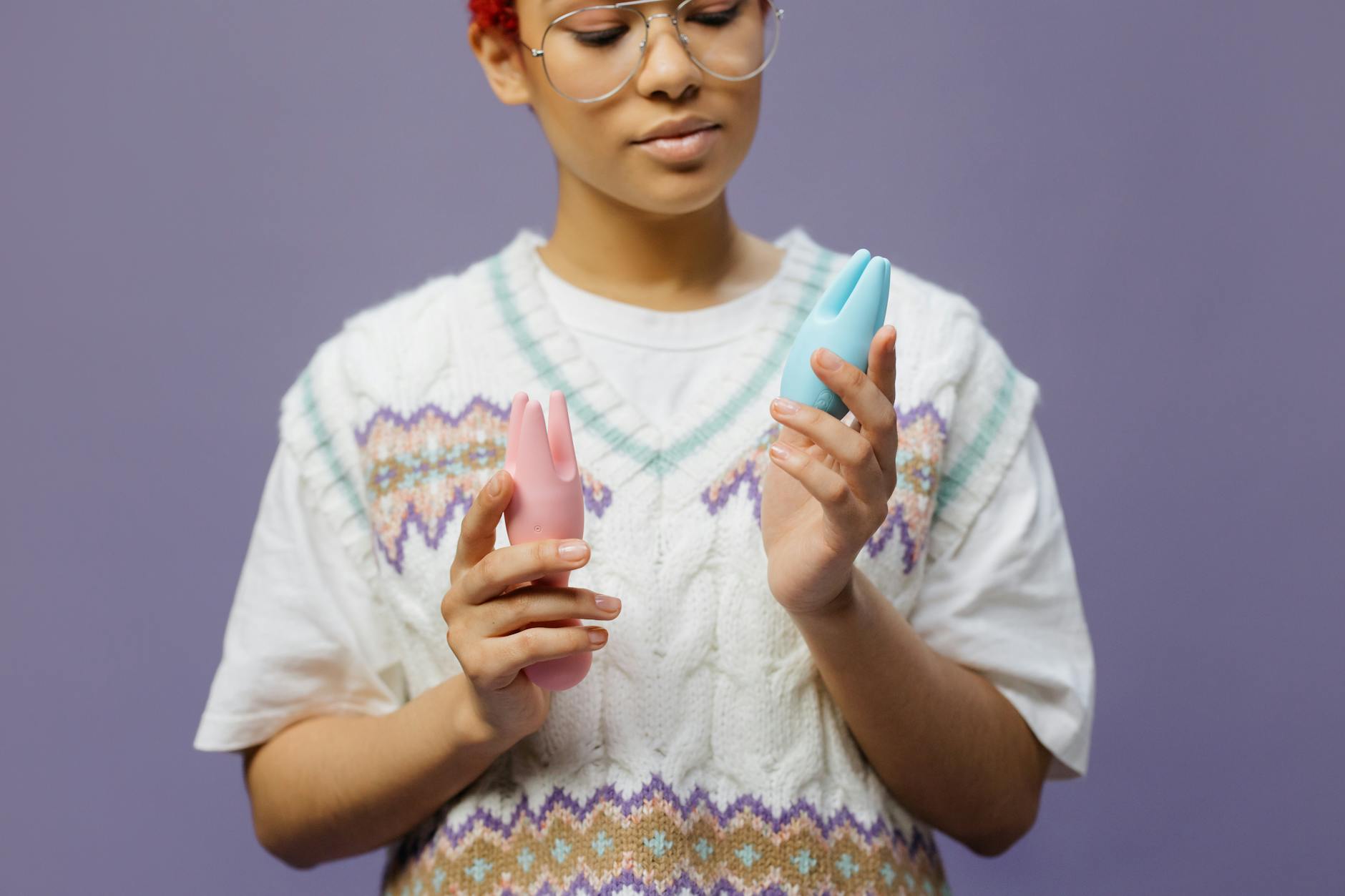
Most vibrators use high-frequency oscillation. The sensation is fast and constant, which is exactly what caused the desensitization in the first place. A lemon clitoral vibrator uses suction stimulation instead. It creates a gentle rhythmic pulling sensation that stimulates the clitoral network in a completely different way. You're not repeating the same neural pathway. You're activating different sensory receptors.
Suction also allows for longer, slower buildup. You can start at the gentlest setting and stay there for as long as needed. Traditional vibrators become uncomfortable if you hover at low intensity for extended periods. Suction doesn't. That matters because nervous systems that have gone quiet often need patient, gradual coaxing. A lemon vibrator gives you that window.
The four-week sensitivity rebuilding protocol
I recommend a structured approach because desensitization recovery responds best to consistency and progression. This isn't punishment. It's retraining.
Week one: sensation mapping.
Use the lemon vibrator on the lowest setting, 3-4 times per week, for no more than 10 minutes. Don't chase orgasm. The goal is to notice. Where do you feel the suction? Is it dull or sharper in some areas? Does sensation change if you shift position slightly? Keep a simple note: "Day 3, noticed feeling in upper clitoris, none in lower." You're establishing a baseline and teaching your nervous system to pay attention to subtlety again.
Week two: gentle prolonged contact.
Stay at setting 1 or 2. Increase sessions to 12-15 minutes, still 3-4 times per week. This is where patience becomes the actual tool. Don't escalate intensity yet. The clitoris needs time under gentle, consistent stimulation to reactivate dormant receptors. Many people report sensation blooming around day 7 or 8 of this phase. Tingling, mild warmth, a sense of "waking up" that wasn't there before.
Week three: varied patterns.
Still staying in the lower half of the intensity scale, start experimenting with brief pauses. Use the lemon vibrator for 2 minutes, rest for 1 minute, repeat. This builds nerve sensitivity faster than unbroken contact. The contrast between stimulation and rest helps the nervous system relearn the signal. Some people find that rhythm brings sensation back noticeably faster than steady contact.
Week four: gradual intensity creep.
If sensation has returned, you can cautiously move to setting 3 or 4. But go slowly. Skip a setting if it feels too much. The goal isn't to reach maximum intensity. The goal is sustainable sensation. Many people find that moderate suction (settings 2-4) feels more pleasurable than high intensity ever did, once their sensitivity is back.
What makes this different from just waiting
You could stop using vibrators entirely and sensation would probably return eventually. That can take 6-12 months. Active retraining with a tool like the lemon vibrator often cuts that timeline to 4-8 weeks. The reason is specificity. You're not just resting the clitoris. You're feeding it a different type of sensory input, which tells the nervous system "hey, this signal matters again." That active signaling resets the adaptation.
The role of mental state and pacing
Here's something that matters as much as the tool: expectation. If you approach this thinking "I'm broken and trying to fix myself," the anxiety alone will suppress sensation. Desensitization is often intertwined with pressure. Taking the pressure off is half the work. That means not timing orgasm, not worrying about whether it's "working," and genuinely accepting that pleasure might look different than it did before.
I also recommend taking one full day per week with no lemon vibrator use at all. Rest days help. Your nervous system needs cycles of stimulation and recovery, just like a muscle does. If you use the vibrator daily, you risk re-adaptation. Three to four sessions per week with genuine rest days actually accelerates recovery.
When to involve a partner (or keep it solo)
If you have a partner, you don't need to tell them about the desensitization protocol unless you want to. This can be entirely private work. Many people find it's easier to rebuild sensation alone first, where there's zero performance pressure. Once you feel the clitoris waking up, partnered touch becomes much easier to enjoy.
That said, partners can be useful. Manual stimulation (fingers or hands) alongside the lemon vibrator sometimes helps. The texture contrast can feel good and adds variety. If you go that route, communicating clearly about what you're doing and why prevents confusion.
What actually matters: patience with yourself
Desensitization recovery isn't linear. You might have a session where sensation feels more present, then a few days where it's quieter again. That's normal. The trend over weeks is what matters, not the day-to-day. I've had clients report that sensation felt almost completely gone by week two before suddenly coming back strong in week four. The nervous system has its own schedule.
One more thing. Desensitization often shows up when something else is off. Stress, relationship disconnection, body image concerns, grief. The lemon vibrator can help wake up physical sensation, but if the underlying issue is emotional, the sensation might not stick long-term. If you find that sensitivity returns but still doesn't feel connected to pleasure, talking to a therapist might be worth it. Physical recovery and emotional reconnection sometimes need to happen together.
FAQ: Clitoral desensitization and lemon vibrator recovery
How do I know if I actually have clitoral desensitization versus low desire?
Desensitization is about sensation and physical response. Low desire is about motivation and interest. You can have one without the other. Ask yourself: do you feel physically numb, or do you not want to be touched? If manual stimulation from a partner or your own fingers produces no sensation, that's desensitization. If you feel sensation but have zero interest in pursuing it, that's different and might point to hormonal, relationship, or stress factors. Both are fixable, but they need different approaches.
Can I use a regular vibrator while I'm doing the lemon vibrator recovery protocol?
I'd recommend a break from whatever tool caused the desensitization in the first place. If high-frequency vibration is what dulled your sensitivity, using it again will just reset the clock. Stick with the lemon vibrator or manual stimulation for the four weeks. After sensitivity returns, you can experiment with other tools if you want, but you'll probably notice you're much more selective about intensity and frequency.
Will lemon vibrator use make desensitization worse?
Not if you follow the progression. Starting at the lowest setting and moving slowly prevents re-sensitization. The problem occurs when people jump to high intensity because low intensity doesn't feel like "enough." Resist that urge. Low intensity is the point. Your job is to make the clitoris interested in subtle input again, not to chase big sensations.
How long until I can have satisfying orgasms again?
That depends on severity and cause. Mild desensitization might show improvement within 2-3 weeks. Severe cases sometimes take 8-12 weeks. The time frame also depends on what caused it. If it's from medication, hormonal changes, or nervous system recovery, it takes longer than if it's just from using one toy too intensely. Don't rush the timeline. Orgasms will return. Rushing tends to create new pressure, which delays it.
Is desensitization the same as numbness after surgery or trauma?
No. Post-surgical numbness or numbness after trauma involves actual nerve damage, and the recovery is different. Those situations benefit from slower tissue retraining and sometimes physical therapy. A lemon vibrator can be part of that process, but you should work with a pelvic floor specialist or therapist who understands your specific situation. Don't assume the four-week protocol applies if nerve damage is involved.
Can antidepressants cause desensitization that a lemon vibrator can't fix?
Antidepressants do suppress sensation, and that's often a real side effect worth discussing with your prescriber. A lemon vibrator can help you feel what sensation is still there, but it won't reverse medication effects. If your medication is the main culprit, talk to your doctor about dose, timing, or switching options. Sometimes a small adjustment makes a huge difference. Sometimes you decide the mental health benefit outweighs the sexual side effect, and that's valid too.
The bottom line
Clitoral desensitization is fixable. It's not a sign of aging, of being broken, or of permanent loss. Your body responds to what you feed it, and when you change the input, sensation changes in response. A lemon vibrator's approach through suction rather than vibration offers a real alternative to the stimulation that caused the desensitization in the first place. Four weeks of patient, progressive use often brings sensation back more completely than months of waiting. You deserve pleasure that feels good. That recovery is possible.