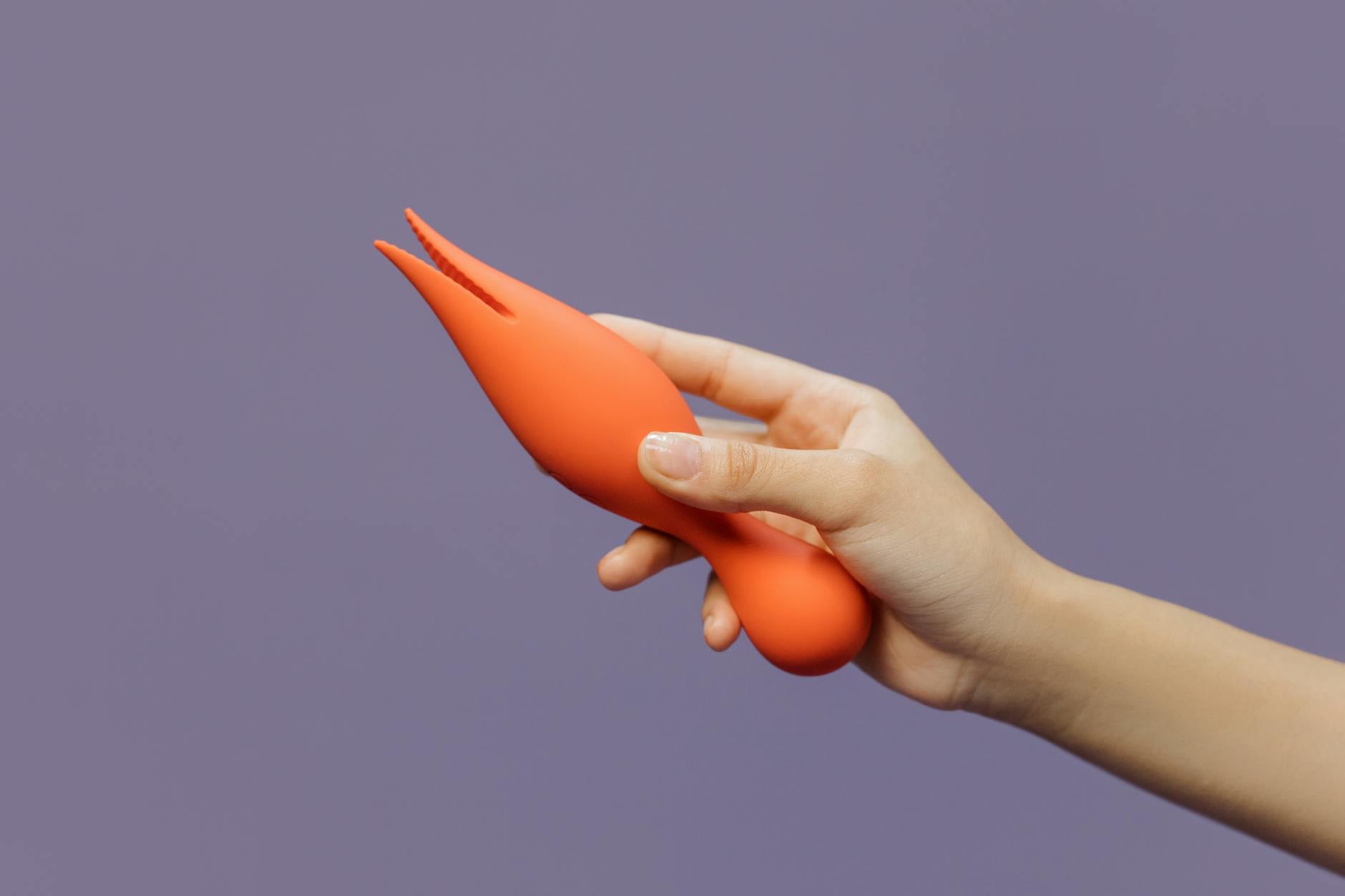
Let's talk about what actually changes
Honestly, this is the part nobody explains well. Your clitoris doesn't age the way your face does. It doesn't sag or wrinkle. But the tissues shift, the nerve density stays the same while everything around it reorganizes, and the whole sensation map of your body rewires itself over time. It's not worse. It's different. And once you understand the difference, a Lemon vibrator becomes more useful, not less.
The data is surprisingly sparse on this, which tells you something about how little we talk about pleasure across the lifespan. But what sex researchers and gynecologists do observe is consistent. Between your twenties and your sixties, clitoral sensitivity doesn't decline uniformly. Instead, it localizes. Direct touch becomes more intense. Diffuse sensation spreads differently. What got you there in thirty seconds at twenty-five might need forty-five seconds and a slightly different angle at forty-five. That's not failure. That's information.
How nerve endings actually behave over time
Your clitoris has about eight thousand nerve endings, all of them packed into a space roughly the size of a pea. That count stays stable throughout your life. What changes is how those nerves fire and how the surrounding tissue conducts sensation. Collagen decreases. Elasticity shifts. Blood flow patterns change slightly, which affects how quickly arousal builds and how intensely pleasure registers.
Here's the useful part. The suction-based technology in a Lemon vibrator actually addresses this beautifully. Instead of relying on direct vibration frequency to trigger arousal, suction creates sustained pressure that works with how your nervous system actually functions across decades. The stimulation is gentler on thinner tissue while still reaching deep nerve clusters. For people noticing that their clitoral sensitivity feels more localized or requiring different intensity than it used to, this approach often feels more satisfying than traditional vibrators.
One more thing that matters. Estrogen levels shift not just at menopause but throughout your forties and fifties. This affects tissue thickness around the vulva and the clitoral shaft itself. It's not permanent or unfixable. But it means your body's response to stimulation might feel genuinely different. That's not your imagination. That's physiology.
Why intensity settings feel different now
You might notice that lower settings on your Lemon vibrator feel more intense than they used to, or conversely, that you need higher intensity to feel the same sensation. Both are normal. Both happen for different reasons depending on your age, hormone levels, and what's happening with blood flow in your pelvic region.
If lower settings feel overwhelming, it's often because nerve endings have become more responsive in concentrated areas. Direct stimulation that felt pleasant at twenty can feel sharp at forty. This is where starting on the lowest pattern and gradually increasing actually matters. Give yourself a few minutes at each setting before moving up. Your body will tell you when it's ready.
If you're chasing intensity and high settings aren't delivering like they used to, look at what's happening with arousal time. Are you spending enough time on warm-up? Ten years ago you might have gotten there in five minutes. Now it might take fifteen or twenty. That's completely normal and has nothing to do with your Lemon vibrator's effectiveness. It's about how your whole nervous system has shifted. Longer foreplay isn't a problem to solve. It's an invitation to slow down and feel more.
Adjusting your approach for better sensation
Three practical changes that work when sensitivity shifts.
Start lower, go slower. Don't jump to the pattern that used to work. Begin at pattern one and stay there for two to three minutes before considering moving up. Your body might surprise you. What felt weak at thirty now feels exactly right at forty-five.
Angle matters more now. The clitoris has a hood, a shaft, and a glans, and the angle of stimulation changes which part gets the most sensation. At different life stages, different angles feel best. Spend time experimenting. A Lemon vibrator's ergonomic design makes this easier because you can reposition without stopping completely. Try approaching from above the clitoris, directly on it, and from the side. Notice what registers most intensely.
Lubrication is non-negotiable. Not because anything's wrong with you, but because even small shifts in hormone levels affect how quickly natural lubrication arrives. Use a good water-based lube even if you don't strictly need it. It changes everything. Sensation deepens, the whole experience feels less friction-based and more pleasure-based, and your tissues stay comfortable during longer sessions.
When sensitivity feels unpredictable
Some days your clitoris feels sensitive and reactive. Other days the same touch registers as barely there. This is wildly frustrating and also completely normal, especially if you're in your forties or older. Hormone fluctuations across the month still matter, even if you're not menstruating. Stress crashes dopamine and adrenaline, which affects arousal capacity. Sleep deprivation changes everything. So does what you ate, how much water you drank, and whether you're carrying tension in your pelvic floor.
This is where self-compassion beats self-criticism. You're not broken. Your body's not failing. You're working with a more complex system now. On days when sensitivity feels low, you have options. Spend more time on warm-up. Use more lube. Try a different pattern on your Lemon vibrator. Lower your expectations about how quickly you'll reach orgasm and just focus on what feels good right now. Sometimes the best sessions aren't the fastest ones.
If sensitivity feels completely absent for weeks, that's worth mentioning to a doctor. Certain medications, thyroid changes, and hormonal shifts can genuinely numb sensation. But fleeting days or weeks of lower sensitivity? That's just life in your body as you age. Work with it, not against it.
How hydration and pelvic floor tension factor in
This sounds weird but matters more than you'd think. Dehydration alone can make your tissues feel less plump and sensation less responsive. Drink water. Not as wellness theater. As a practical way to keep genital tissues hydrated from the inside. You'll notice the difference in how quickly pleasure builds.
Pelvic floor tension is the second invisible player. If your pelvic floor muscles are chronically tight from stress, sitting too long, or old habit, they actually dampen sensation. You're essentially gripping down on your own pleasure. Spending five minutes a day on pelvic floor relaxation (not just Kegels, but intentional relaxation) changes this. Breathe into your pelvic floor. Let it soften. Then use your Lemon vibrator. The difference is noticeable.
Both of these sound like they shouldn't matter compared to the vibrator itself. But they do. A Lemon vibrator works best when you're hydrated and your pelvic floor isn't braced. Set yourself up to win.
When to involve a partner in this conversation
If you're with a partner, sensitivity changes can get loaded with emotion quickly. Someone interprets your different response as loss of desire. They assume the longer warm-up time means something's wrong. They wonder if they're doing something different. Then nobody talks about it openly and the whole thing becomes this weird shadow dancing.
Honestly though, this is worth saying out loud. "My body's responding differently lately, and I'm figuring out what works now." That's the whole conversation. You're not asking for permission. You're not apologizing. You're sharing information. Then use your Lemon vibrator together with this new knowledge. Longer warm-up becomes a chance to connect more deeply. Different sensation preferences become a reason to explore together. Sensitivity shifts become part of the adventure, not a problem to hide.
FAQ: Sensitivity and lemon vibrators
How do I know if sensitivity loss is normal aging or something I should see a doctor about?
Normal aging sensitivity shifts gradually over months or years. Sudden loss of sensation over days or weeks, especially if it comes with pain, numbness, or tingling, is worth mentioning to your gynecologist. Certain medications, thyroid issues, and neurological changes can genuinely affect sensation. A quick check with a doctor rules out the fixable stuff and gives you peace of mind.
Can I train my clitoris to be more sensitive again?
Not exactly, but you can improve your nervous system's responsiveness through sustained practice. Using your Lemon vibrator regularly, staying hydrated, managing pelvic floor tension, and engaging in longer warm-up sessions all signal to your body that pleasure is a priority. Over weeks, many people notice that sensation feels more available. It's not training sensitivity back. It's creating the conditions where sensation can register more fully.
Does hormone replacement therapy change clitoral sensitivity?
Yes, though not instantly. HRT can restore some tissue thickness and blood flow, which some people report as improved sensation. For others, the change is subtle. If you're on HRT or considering it for other reasons, it's worth tracking whether sensation feels different after a few months. But don't start HRT just for pleasure changes. The decision is bigger than that.
Is it normal for one side of my clitoris to feel more sensitive than the other?
Completely normal. Most bodies have asymmetry. One side of your clitoris might have slightly different nerve density or blood flow. You might notice this becomes more pronounced as you age. This is actually useful information because it tells you where to position your Lemon vibrator for maximum sensation. Work with your asymmetry, not against it.
Why do some patterns on my vibrator feel amazing and others feel nothing?
The clitoral nervous system responds differently to different frequencies and rhythms. A pattern that's too repetitive might feel monotonous. One with more variation might register as complex pleasure. Your sensitivity shifts mean some patterns become more or less effective. Spend time exploring all the settings on your Lemon vibrator, even ones that didn't work before. Your body's preferences genuinely change.
Can medication affect how my clitoris responds to vibrators?
Yes. SSRIs, blood pressure medications, antihistamines, and others can dampen sensation or make orgasm harder to reach. If you started medication and noticed your clitoris feels less responsive, this is worth mentioning to your prescriber. Sometimes switching timing or changing the dose helps. Sometimes it's a trade-off you live with. But it's not permanent, and a Lemon vibrator can help bridge the gap while you and your doctor figure out the best approach.
Your clitoris has been through a lot in your lifetime. It's earned the right to change. A Lemon vibrator is designed to work with how your body actually functions right now, not how it functioned ten years ago. That's the whole point. Use it accordingly, and reach out to us if you have questions about finding the right settings for your current sensitivity needs.