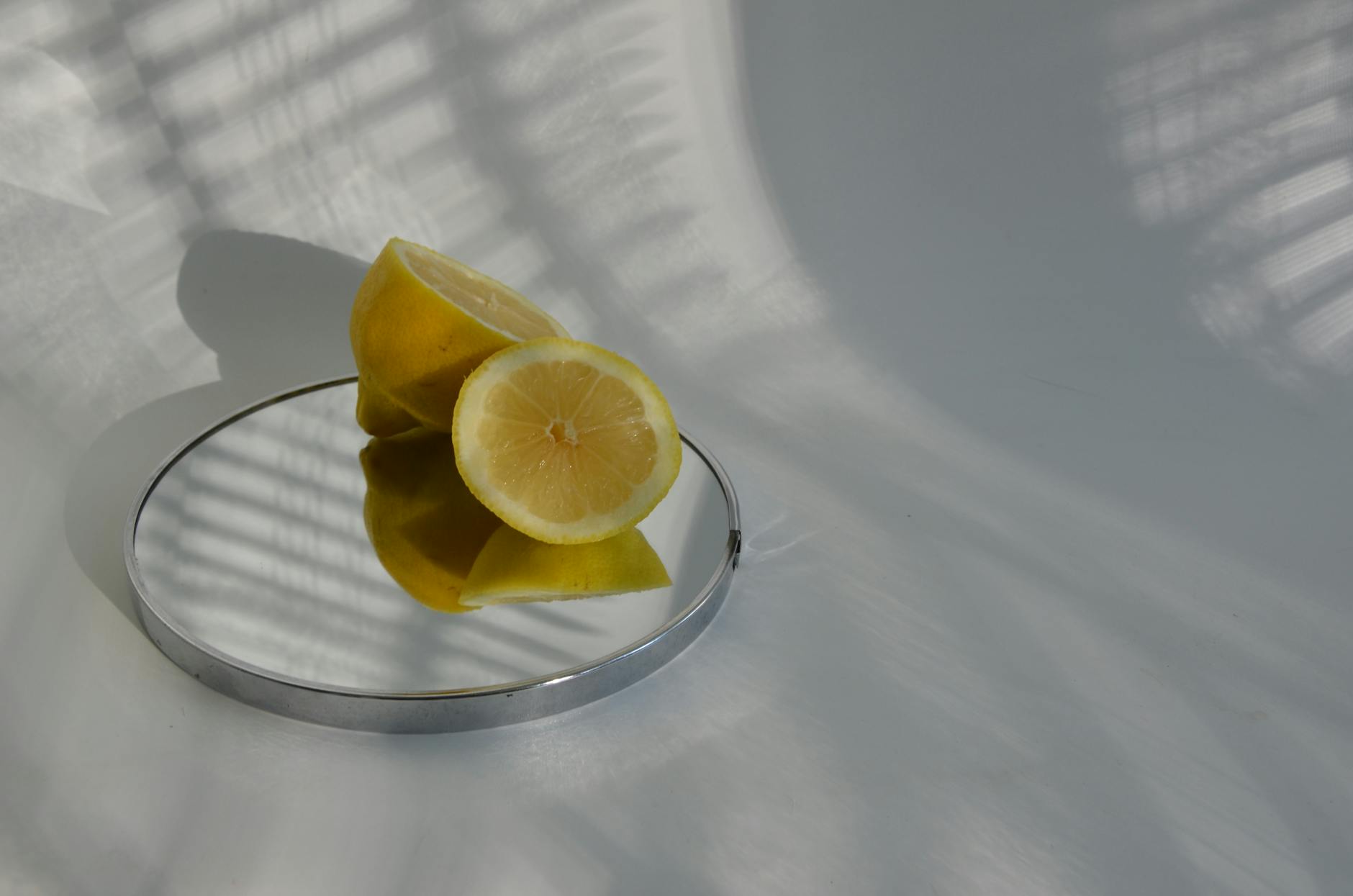
Here's what stress actually does to desire
Let's be real. When you're drowning in deadlines, managing everyone else's needs, or lying awake at 3 a.m. running through a mental checklist, desire doesn't just take a back seat. It disappears entirely. Your brain is in survival mode, and sex feels like another obligation on a list that's already broken you.
The tricky part is that this isn't a hormonal blip or a sign that your relationship is broken. It's your nervous system doing exactly what it's designed to do. When your body perceives threat—and chronic stress reads as threat—it prioritizes safety over pleasure. Arousal requires a parasympathetic nervous system (rest and digest mode). Stress lives in the sympathetic system (fight or flight). You can't be in both places at once.
Most conversations about low desire skip right over this part. They assume the problem lives in the relationship or in you as a person. But often, the real issue is simpler and harder: your daily load is unsustainable, and your body has stopped bothering to ask for pleasure because it's too busy keeping you upright.
Why this specific block is different from other desire issues
There's a crucial distinction worth making. If you felt desire last month or last year, and it went away exactly when things got chaotic, the problem isn't that you've lost your capacity for pleasure. The problem is that your nervous system is stuck in a loop. You're not broken. You're taxed.
This matters because the solution isn't the same as it would be if desire had never shown up, or if it disappeared slowly over years for relational reasons. You don't need therapy to fix your sexuality (though therapy might help with the stress itself). You need permission to build pleasure back incrementally, even while things are still hard.
A clitoral vibrator like the Lemon becomes useful here not because it magically rewires stress, but because it gives your nervous system a reason to practice shifting gears. It's a tool for training your body to remember that pleasure is possible, even when your calendar says otherwise.
The neuroscience of using a vibrator when you're under pressure
When you're stressed, the clitoris is still fully innervated and responsive. Nothing has changed biologically. But your brain isn't giving it the green light. Using a Lemon Vibrator bypasses some of that gatekeeping.
Here's what happens physiologically. The rhythmic stimulation from a clitoral vibrator activates sensory nerves at a frequency and intensity that can override the "background noise" of cortisol and mental chatter. Your brain literally cannot hold two competing sensations with equal weight. When you're focused on the sensation from the vibrator, you're momentarily offline from the spreadsheet, the argument you had, the email you need to send.
This isn't distraction in a bad way. It's neural redirection. You're training your parasympathetic system to activate, which is the opposite of what stress does. Over time, repeated activation of pleasure pathways actually rewires your default stress response. You're not forcing yourself to want sex. You're teaching your body that safety and pleasure can coexist.
Practical steps for using a lemon clitoral vibrator when stress is king
Timing matters more than you'd think. The worst moment to reach for your Lemon is right after the stressor hits, when cortisol is still flooding your system. Instead, wait for a window when you're slightly less activated. Post-shower works well. Late evening, once the kids are down. Early morning before the day accelerates.
Start with minimal pressure and low intensity. Your nervous system is on high alert. Jumping straight to intensity 4 on your Lemon can feel aggressive rather than soothing. Begin at intensity 1 or 2. Let your body feel the sensation without performance pressure. This is not foreplay toward an orgasm. This is your nervous system practicing rest.
Don't aim for orgasm on the first few attempts, or even the first few weeks. I know that sounds counterintuitive. But when you're stress-bound, turning pleasure into another goal just adds pressure. Instead, spend 10-15 minutes noticing sensation. Where does the stimulation feel best? Does your breath relax? Are you less tense in your shoulders? These are the wins that matter right now.
If you have a partner, consider doing this alone first. A partner present can unconsciously ramp up the pressure ("did you finish?" or "that was quick"). Solo exploration removes that dynamic entirely. You're not being selfish. You're building the infrastructure that will eventually make partnered sex less loaded.
Why stress-related desire loss responds differently to different tools
Air-suction vibrators like the Lemon are particularly useful here because they deliver stimulation without requiring you to build arousal first. Traditional vibrators might feel like they demand something from you. The Lemon's suction pattern can feel more like a reset button.
The consistency of the sensation also matters. When you're stressed, your nervous system is primed to notice variation and threat. A vibrator with a stable, predictable rhythm gives your brain permission to settle. You're not monitoring for danger. You're sinking into a known pattern.
That said, the best tool is the one you'll actually use. If another clitoral vibrator feels better to you, use that. The vibrator itself is secondary. The primary thing you're building is the habit of stepping offline from stress, regularly.
The larger conversation: stress reduction actually requires life changes
Here's the part that matters. Using a lemon clitoral vibrator regularly can absolutely help rebuild desire and shift your nervous system baseline. But if you're using it as your only stress management tool while working 70 hours a week and managing everyone else's emotions, you're going to hit a wall.
Pleasure is not a substitute for actually reducing the load. It's a parallel practice. Ideally, you're also looking at what can genuinely come off your plate. Renegotiating expectations with your partner or boss. Cutting back on something. Getting support. The vibrator is the practice ground. Real recovery requires actual change.
That said, the vibrator does something important in the meantime. It's evidence that your body still knows how to rest. It's a reminder that pleasure hasn't vanished permanently. It's proof that even under pressure, you can carve out 15 minutes of something that feels good.
Rebuilding desire with a partner while under stress
If you're in a relationship, the conversation matters more than the vibrator. Your partner might interpret desire loss as rejection. They might blame themselves or the relationship. Neither of those things is true, but you have to actually say that out loud.
Try this approach: "My desire feels switched off right now, and it's not about us or about you. It's that my nervous system is in overdrive with everything else. I want to rebuild this, and using my Lemon Vibrator is part of that. I also might need you to take some pressure off me elsewhere." That's honest. That's specific. That doesn't blame your partner, but it also doesn't pretend you can just "push through" with desire while everything else stays the same.
Some partners want to be involved in your pleasure-rebuilding practice. Others need to step back and give you space. Both are fine. The key is knowing which one serves you, and communicating that clearly.
When to know you need more support
If you're six weeks into regular Lemon use and desire still hasn't shifted at all, and nothing major has changed in your stress load, it's worth checking in with a therapist or counselor. Sometimes stress-related desire loss has a trauma root or an attachment pattern underneath it. Sometimes it's depression. A professional can help you figure out which.
If you're experiencing numbness during vibrator use, or the vibrator feels unpleasant rather than pleasant, stop. Your nervous system is telling you it's not ready. That's useful information. You might need to address the stress more directly before pleasure-building tools will land well.
The same is true if your partner is pressuring you to "just use the vibrator and get over it." That's a relational issue that deserves its own conversation, ideally with a therapist.
The long game: desire as a stress indicator
Here's something I've noticed working with people rebuilding pleasure under pressure. After several weeks of regular vibrator use, desire often becomes a kind of early warning system. When you've retrained your nervous system to access pleasure regularly, you notice more quickly when stress is getting too high. Desire doesn't just disappear again. It fades first. It becomes a signal.
That's actually valuable. Your body is telling you to make a change before you hit complete burnout. Listen to it. Your Lemon Vibrator isn't just a pleasure tool at that point. It's a diagnostic device.
The goal isn't to have sex all the time or even to get back to some ideal baseline. It's to rebuild the capacity to feel pleasure even when life is hard. That's not frivolous. That's resilience.