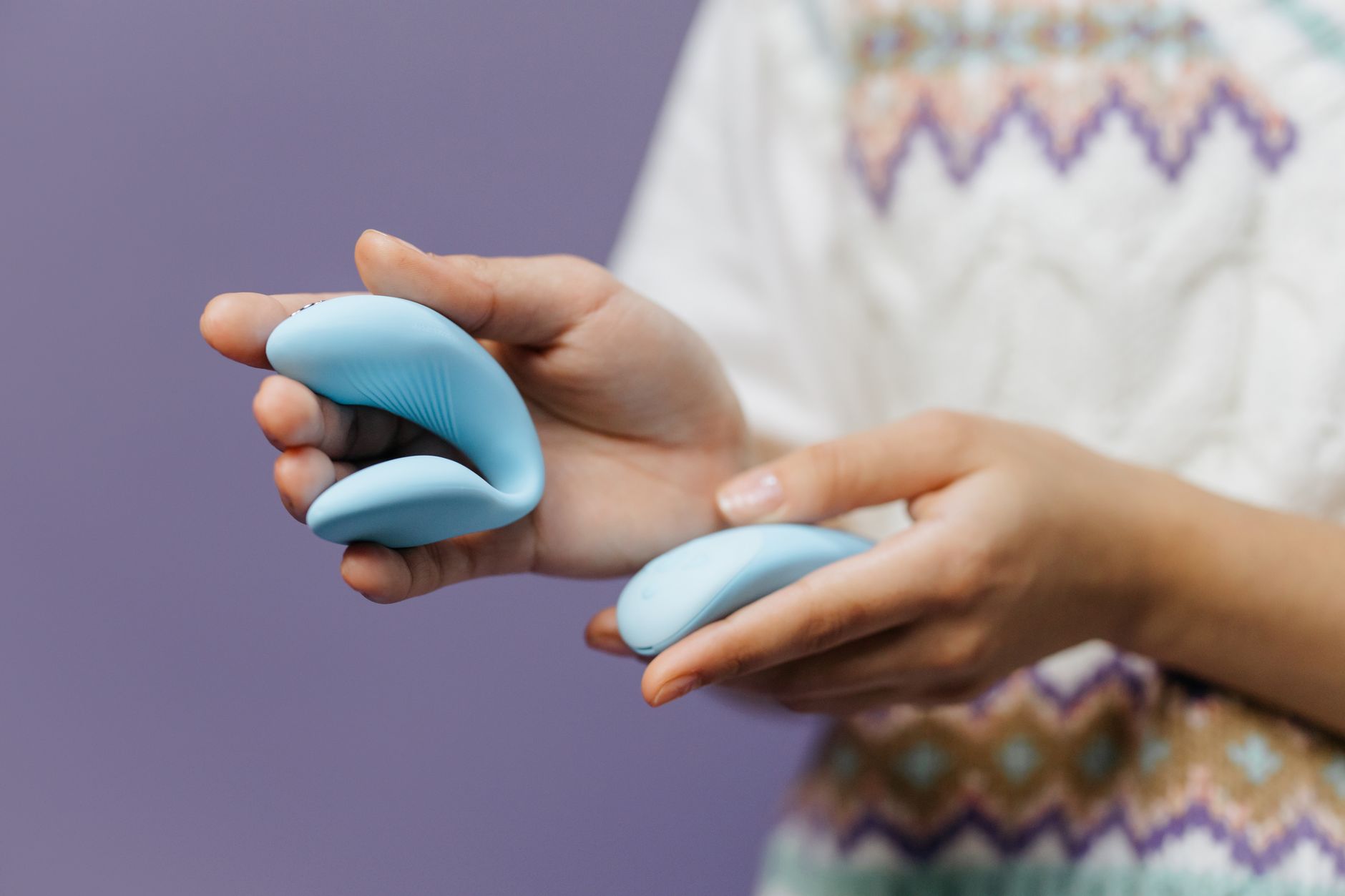
How to Use a Lemon Vibrator When Hormonal Shifts Affect Pleasure and Sensation
Let's be real: your body isn't static. Hormones shift your sensitivity, your arousal speed, and how intensely you experience touch. Some days a lemon vibrator feels incredible. Other days, the same device feels muted or overstimulating. That's not a failure on your part or the vibrator's. That's hormones doing their job.
Here's what actually happens when hormones fluctuate, why your pleasure changes with them, and how to use a Lemon vibrator strategically through those shifts.
What hormonal fluctuations actually do to sensation
Estrogen, progesterone, and testosterone don't just affect fertility. They reshape how your nervous system responds to touch. During the follicular phase of your cycle (days 1-14, roughly), estrogen rises. This typically brings sharper sensation, faster arousal, and more intense orgasms. Your clitoris becomes more sensitive because estrogen increases blood flow to genital tissues and supports nerve function.
During the luteal phase (days 15-28), progesterone rises and estrogen dips. Sensation often dulls slightly. Arousal takes longer. You might need more direct, sustained pressure to reach climax. This isn't weakness. It's your body's natural rhythm.
But here's what most articles miss: the shift isn't always dramatic, and it's not always in the same direction for everyone. Some people feel virtually nothing. Others notice a massive swing. And if you're on hormonal birth control, pregnant, breastfeeding, perimenopausal, or dealing with stress, these patterns get scrambled entirely.
Why? Because cortisol (your stress hormone) directly suppresses arousal pathways in your brain. A high-stress week can flatten sensation more than your cycle ever would. Same with sleep deprivation, medication side effects, and relationship tension.
Why lemon vibrators respond differently to hormonal changes
Unlike traditional vibrators that rely on pure frequency, lemon adult toys like the Lem use air-suction technology. This matters because suction stimulates a slightly different nerve pathway than vibration does. It creates rhythmic pressure and release, which your nervous system can experience very differently depending on where your hormones are.
During high-estrogen phases, when your tissues are more engorged and sensitive, suction feels richer and more direct. Your body responds faster to the pattern. During low-estrogen phases, you might need to start at a lower suction intensity or spend more time warming up before the sensation becomes pleasurable.
Water-based lubrication becomes more important during low-estrogen windows. Thinner tissue can feel less forgiving, and lube bridges that gap by reducing friction and helping sensation feel smoother rather than rough.
Reading your body's cycle to time your pleasure
If you have a predictable cycle, you can actually work with it instead of fighting it. Track for two to three months: which days do you feel most responsive? When does arousal come easiest? When do you need longer warm-up time or more intense settings?
Here's a framework many people find useful:
Follicular phase (days 1-14): Start with higher suction patterns on the Lem. Your tissue is more forgiving, and you'll likely crave more intensity. This is a good time to experiment with patterns 5-7 or combinations you might find too much during other phases.
Ovulation window (days 12-16): Peak sensitivity. Many people report their easiest orgasms here. You might find lower intensities actually feel more overwhelming, so start lower than you think you need.
Luteal phase (days 15-28): Budget extra warm-up time, usually 15-25 minutes instead of 5-10. Start at patterns 1-3. Use more lube. Think of this phase as a slow-burn window rather than a quick-hit one. Your body still has the same capacity for pleasure. It just takes a different pathway to get there.
Menstruation: Some people find that increased pelvic blood flow makes sensation sharper. Others find it duller because of cramping or discomfort. Neither is normal or abnormal. Go with what your body tells you that day.
Adjusting your settings when hormones are low
If you're in a low-estrogen phase or you notice sensation has flattened, here's what actually helps:
Lower your starting intensity. This sounds counterintuitive when you want more sensation, but starting too high numbs your nerve endings rather than waking them up. Spend 10 minutes at pattern 1-2. Let your tissue engorge gradually. You'll feel more by the end.
Extend your warm-up ritual. Not every warm-up is sexual. Some people find that a hot shower, massage to the inner thighs, or even a few minutes of reading erotica helps. You're not being slow. You're inviting your nervous system to participate.
Add more lube than feels necessary. Water-based lube is your friend during low-estrogen windows. It's not a sign of a problem. It's a tool that helps sensation feel cleaner and less grabby. Reapply halfway through.
Use patterns with rhythm over speed. The Lem's air-suction technology is better for this than traditional vibration anyway. A steady, slow rhythm at pattern 2-3 might deliver more pleasure than bouncing around between patterns.
Focus on the full vulva, not just the clitoris. When direct clitoral stimulation feels too numb or overwhelming, try working the labia, the vestibule, or the area just above the clitoris. You're mapping sensitivity, not chasing a specific outcome.
When stress hormones override your cycle
Sometimes cortisol (stress hormone) matters more than your menstrual phase. If you're in the high-estrogen follicular phase but you've slept three hours a night for a week, your nervous system still won't cooperate.
Red flags that stress is flattening sensation: you're using the Lem but feeling almost nothing, even at higher intensities. Or sensation swings wildly day to day for no cycle reason. Or you feel disconnected from your body entirely.
In those windows, a clitoral vibrator might genuinely feel pointless. It's not. It's a signal to address the root cause. That means sleep, movement, or having one honest conversation you've been avoiding. Your Lemon vibrator will still work after you do that work. But right now, forcing it is like trying to run a car on empty.
Birth control, hormonal shifts, and what to expect
If you start, stop, or switch hormonal birth control, give yourself three full cycles before assuming your sensitivity baseline has changed. Your body needs time to recalibrate.
Some methods flatten sensation more than others. The hormonal IUD, for example, creates steady low-level hormone exposure, which can dull arousal for some people and have zero effect on others. Combined oral contraceptives affect sensation differently than progestin-only pills.
If you notice a major change in sensation after starting a new method, that's worth discussing with your doctor. Sometimes switching formulations or methods solves it. Sometimes it's just your new normal, and you adjust your technique accordingly. Either way, it's not permanent, and your Lemon vibrator's settings can accommodate most shifts.
Questions to ask yourself when sensation changes
Before you assume your vibrator isn't working or your body is broken, ask these:
- Where am I in my cycle?
- How much sleep did I get last night?
- When did I eat last, and what?
- Am I stressed about something outside of sex?
- Have I started or changed any medications?
- How much foreplay am I building in?
- What intensity am I starting at, and why?
- Am I comparing today to my best day, or to my average day?
Often the answer isn't "I'm broken." It's "I'm in a low-sensation window and I need to shift my approach."
Building a pleasure toolkit that works year-round
Instead of one rigid routine, keep a mental or written menu of approaches:
For high-estrogen windows: higher intensity, less warm-up time, quicker decisions about what you want.
For low-estrogen windows: lower intensity, longer warm-up, more lube, patterns over speed.
For high-stress windows: maybe skip the vibrator and try something gentler, like partner touch or a hot bath.
For recovery windows (after surgery, medication changes, or major life events): slow reintroduction with the Lem at pattern 1 only, with zero pressure to orgasm.
The Lemon vibrator isn't a one-size-fits-all tool because your body isn't one-size-fits-all. It's a flexible technology that adapts to where you are. Your job is learning to read the signals and adjust.
FAQ: Hormonal fluctuations and clitoral vibrator use
Why does my Lemon vibrator feel totally different depending on the time of month?
Your clitoral tissue engorges and sensitivity shifts with estrogen and progesterone. During the follicular phase, when estrogen peaks, you typically feel more sensation. During the luteal phase, when estrogen dips, sensation often dulls and arousal takes longer. This is completely normal and affects how any clitoral vibrator feels.
Can hormonal birth control permanently damage my sensation?
No. Hormonal birth control can temporarily flatten arousal or sensation for some people, but it's not permanent damage. If sensation changes significantly after starting a method, it usually stabilizes within 3-4 months. If it doesn't, switching methods often helps. Your nerve endings aren't being harmed.
Is it normal to need more intense settings during some weeks and less during others?
Completely normal. If you're tracking your cycle and noticing this pattern, you're paying attention to something most people miss. Your nervous system genuinely responds differently at different hormonal points. It's not a sign that your Lemon vibrator is failing or that you're desensitizing.
What if I'm on hormonal birth control and I don't have a natural cycle to track?
You might still experience subtle micro-fluctuations, especially if you're on a combined oral contraceptive with hormone-free weeks. But steady-hormone methods (like continuous-use pills or hormonal IUDs) can feel flatter overall. In that case, focus on other variables: sleep, stress, partner dynamics, and warm-up time. Those often matter more than cycle tracking.
Can stress actually lower my ability to feel pleasure?
Yes, absolutely. Cortisol suppresses arousal pathways in your brain. A stressful week can flatten sensation more than your menstrual cycle ever would. If you notice sensation swinging wildly or disappearing, check your sleep and stress levels before assuming something is wrong with your body or your vibrator.
Is it okay to use a Lemon vibrator during my period?
Yes. Some people find sensation is actually sharper during menstruation because of increased pelvic blood flow. Others find cramping makes touch uncomfortable. Go with what your body tells you. If you do use it, standard hygiene applies: you can keep the Lem clean and body-safe during any phase of your cycle.
What lubricant works best with hormonal fluctuations?
Water-based lube is always safe with the Lemon clitoral vibrator. During low-estrogen phases, when natural lubrication is lower, a quality water-based lube becomes more important. Reapply midway through if needed. Silicone lube feels richer but can degrade silicone toys over time, so stick with water-based.
Your body isn't broken when it responds differently to your Lemon vibrator at different times. It's doing exactly what hormones are designed to do. The trick is learning to read those shifts and adjusting your technique, not your expectations. That's when a lemon clitoral vibrator becomes truly powerful: not as a one-button solution, but as a flexible tool that works with your body's actual rhythm.
If sensation changes feel extreme or don't return to your baseline after a few cycles, or if you're dealing with pain rather than just numbness, that's a conversation for a healthcare provider. But the everyday shifts? That's just being human with a body that fluctuates. And your Lemon vibrator is built to work through all of it.
Want to talk through how these shifts show up in your relationship? Reach out. We can work through the communication side together.