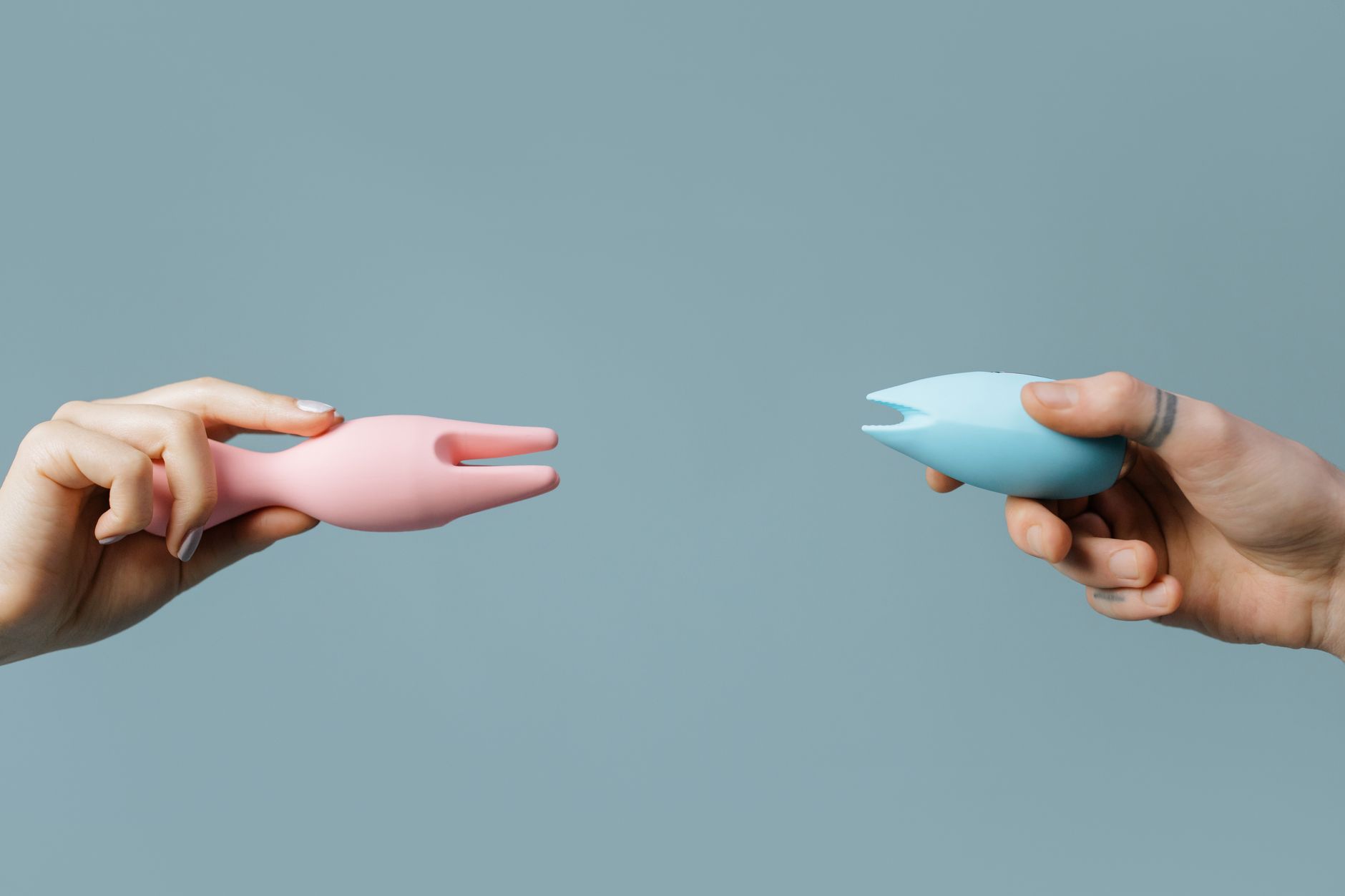
Let's be real about orgasm intensity
Your orgasms used to feel like fireworks. Now they feel like a sparkler. Or maybe they still arrive, but the intensity has dimmed to something so subtle you barely register it. You're not imagining this. Orgasm intensity is not fixed. It changes with stress, medications, age, relationship dynamics, how much you're touching yourself, and whether your nervous system trusts what's happening.
The frustrating part? Most people assume this is permanent. It's not. And I've seen shifts happen remarkably fast once someone understands what's actually going on.
Why orgasm intensity fades (and it's rarely what you think)
There are three main culprits, and they almost never show up alone.
Desensitization from repetition. If you've been using the same toy, same pattern, same approach for years, your nerve endings adapt. This isn't weakness. It's how your nervous system works. The brain stops registering stimulation as novel, so the surge feels smaller. This is why switching things up works. A clitoral vibrator like the Lemon offers multiple patterns and intensities that manual stimulation or older toys often don't, which can break the desensitization cycle.
Chronic stress and the nervous system. When you live in moderate stress, your parasympathetic nervous system (the one responsible for pleasure, relaxation, and orgasm) stays suppressed. Your body prioritizes survival over sensation. You can still orgasm, but the neurological "oomph" behind it shrinks. This is especially common in my clients navigating relationship strain, work pressure, or major life transitions.
Medication and hormonal shifts. Antidepressants, birth control changes, and perimenopause all alter the neurotransmitters and hormones that fuel orgasm intensity. These changes are real and they're not your fault. But they're also not permanent if you know how to work with your body.
Reduced pelvic floor awareness. Over time, if you're not actively engaging your pelvic floor muscles, that strength softens. Orgasm is partly a muscular event. Weaker muscles mean quieter contractions. This one is fixable with intentional practice.
How to restart intensity with the right tool
Not all vibrators are equal when you're chasing intensity. Here's what matters:
Variable patterns matter more than raw power. A lemon vibrator offers multiple pulse sequences and patterns. This variability is crucial because it prevents your nervous system from adapting. If you've been using the same vibration pattern, switching to a toy with programmable patterns or multiple modes can restore the novelty your brain needs for a full response.
Suction and air-pulse toys hit differently. Traditional vibration creates a familiar sensation if you've used vibrators for years. The Lemon uses air-pulse technology, which creates a sensation that many people describe as fresher and more intense. It's not just vibration. It's rhythmic suction that engages tissue in a different way. For people experiencing fading intensity, this shift in stimulation type often reignites sensation.
Intensity range matters. If your vibrator maxes out at medium, you're limited. Toys with a wider range from subtle to intense let you dial in exactly what your body needs that day. Some days you need to start soft and build. Other days you need to surprise your body with sudden intensity.
Ergonomics = focus. A toy that requires grip strength or awkward positioning pulls your attention away from sensation. The Lemon is designed to sit comfortably during solo play or partnered exploration, which means your brain stays in pleasure mode instead of logistics mode.
The nervous system reset protocol
If you've been living in stress or using the same toy too long, here's what rebuilds intensity:
Step one: break the pattern. Use your toy at a different time of day. A different location in your home. A different position. Different music, lighting, temperature. The goal is to interrupt the autopilot pathway your body has carved. This sounds trivial but it's neurology.
Step two: slow down the buildup. Intensity isn't just about the peak. It's about the arc leading there. Spend 15 to 20 minutes before you even use your vibrator on breathing, touch, fantasy. This primes your parasympathetic nervous system. Your body needs permission to settle into pleasure, especially if stress has been high.
Step three: vary the patterns during a single session. Don't stick with pattern three the whole time. Start on pattern one. Move to pattern two at two minutes. Jump to pattern four at the next shift. This variability forces your nervous system to stay present and responsive. Boredom and novelty are neurological opposites.
Step four: use sensation mapping. Some days your most intense sensation comes from clitoral stimulation alone. Other days it comes from the combination of clitoral stimulation plus inner thigh touch, or breathing focus, or partnered presence. Notice where intensity lives on different days. This isn't random. It's your nervous system telling you what it needs.
Stress, relationships, and the intensity question
Here's something I see constantly: couples assume fading orgasm intensity is about the body or the relationship. Often it's actually about stress.
A partner who is overwhelmed at work might have perfectly responsive genitals but a nervous system too activated for deep pleasure. A person in a relationship with unspoken resentment might physically respond but emotionally withhold from the experience, which makes orgasms shallower. A partner anxious about job security might rush through sex instead of settling into it.
If you've noticed intensity fading, ask yourself: What's been different in the last six months? New stress? Medication change? Shift in the relationship? Less sleep? More alcohol? The answer matters because the fix depends on the cause.
Sometimes it's the toy. Often it's the context.
When it's medical (and when you should check)
If intensity dropped suddenly and it's coupled with pain, numbness, or a complete loss of arousal, see a healthcare provider. These can signal hormonal changes, medication side effects, or nerve involvement that needs assessment.
If intensity faded gradually over months or years and nothing else changed health-wise, it's likely desensitization, stress, or relationship dynamics. This is what the protocol above addresses.
One more thing: if you're on medication that's affecting sexual response, don't just suffer through it. Talk to your prescriber. There are often adjustments or alternatives that maintain the medication's benefit while restoring sensation.
Partnered play when intensity has shifted
If you share pleasure with a partner, intensity changes affect both of you. Someone might worry their partner no longer finds them attractive. The other partner might feel pressure to perform or shame about the shift. This creates a feedback loop that makes intensity worse.
The reset here is conversation. "My body is responding differently and I want to explore what helps" is a completely different statement than "something's wrong with us." The first opens a collaboration. The second closes it.
When both partners are curious instead of defensive, exploring new patterns and tools becomes connecting instead of corrective. A lemon vibrator can be part of that exploration. So can longer foreplay, different timing, partnered touch, or fantasy talk. The tool matters less than the willingness to adjust together.
The rebuilding timeline
How fast can you recover intensity? Faster than you'd think.
Pattern switching often creates noticeable shifts within two to three sessions. If it's stress, intensity usually improves once stress load drops, which can take weeks or months depending on what's driving it. If it's medication, you might see changes once the medication adjusts, or it might take months.
For many people, though, the single biggest shift happens when they give themselves permission to explore pleasure differently. Once you stop insisting orgasms should feel exactly like they used to, you often find they feel better than you remembered. Different doesn't mean worse.
Your pleasure matters. Your sensation matters. And intensity doesn't have to fade into the background if you're willing to pay attention and adjust.
Frequently asked questions
Why does orgasm intensity feel lower with the same partner after years together?
This is usually about nervous system habituation combined with reduced novelty. When you're with a partner long-term, the physical and emotional predictability can actually reduce arousal for the nervous system, even if you love them deeply. The fix isn't necessarily a new partner. It's breaking patterns: new timing, new positions, new fantasy content, new toys, or even just a different room in your house. A tool like a lemon vibrator introduces novelty that can restart intensity, especially if you've never used vibrators together before.
Can antidepressants permanently ruin orgasm intensity?
No. Some antidepressants do affect sexual response, and for some people that means softer orgasms. But this isn't permanent. Your prescriber might adjust timing, dosage, or medication type. You might find that your body adapts within a few weeks. And there are strategies, including certain vibrators with varied patterns, that many people find help. The key is talking to your doctor instead of assuming you're stuck with it.
Is reduced orgasm intensity a sign of a relationship problem?
Not necessarily. It can be a symptom if the relationship has other issues, but it's often just biology, stress, or desensitization. Ask yourself honestly: Is there real conflict? Unspoken resentment? Or is your partner still someone you trust and want to connect with? If it's the latter, intensity usually responds to the physical resets mentioned above. If it's the former, that's separate work to address with honesty or professional support.
Why does switching to a new vibrator like the Lemon help when my old toy used to work?
Your nervous system adapts to familiar sensation. A new toy introduces novelty, which your brain registers as different. If you've used traditional vibration for years, the suction-based technology of a lemon vibrator feels fresh to your nerve endings, which can restart the intensity response. It's not magic. It's neurology.
How do I know if my reduced intensity is from stress or something physical?
Notice the pattern. If intensity drops during high-stress periods and returns when stress eases, it's stress. If it happens regardless of stress level but improved with a medication change, it's likely hormonal. If it's paired with other changes like pain, numbness, or loss of arousal, get checked by a provider. Single-cause answers are rare, but tracking when intensity shifts usually reveals the pattern.
Can pelvic floor exercises actually bring back intensity?
Yes. Orgasms involve pelvic floor muscle contractions. Weaker muscles mean quieter contractions. Consistent pelvic floor work over four to six weeks often restores the muscular engagement that makes orgasms feel more intense. Combine this with the nervous system resets above for faster results.