Let's be real about pelvic pain and pleasure
Pelvic pain makes you want to shut down. The nervous system learns to protect that area, which means arousal can feel impossible or actively painful. You might think pleasure is off the table until healing is complete. Here's what actually happens: healing goes faster when you approach it with intention, and that includes pleasure.
I've worked with countless people rebuilding intimacy after pelvic pain or floor dysfunction. The ones who recover best aren't the ones who white-knuckle through pain. They're the ones who learn to use pleasure as part of the healing process.
What pelvic floor dysfunction actually changes
Pelvic floor dysfunction means the muscles are either too tight (hypertonic) or too weak (hypotonic). Either way, they're not coordinating properly. This affects arousal, sensation, and the ability to relax during sex. The nervous system gets stuck in protection mode, which creates a feedback loop: tension triggers pain, pain triggers more tension.
What it doesn't change is your capacity for pleasure. The clitoral nerves are still there. The pleasure pathways in your brain are still there. What's changed is the relationship between arousal and safety.
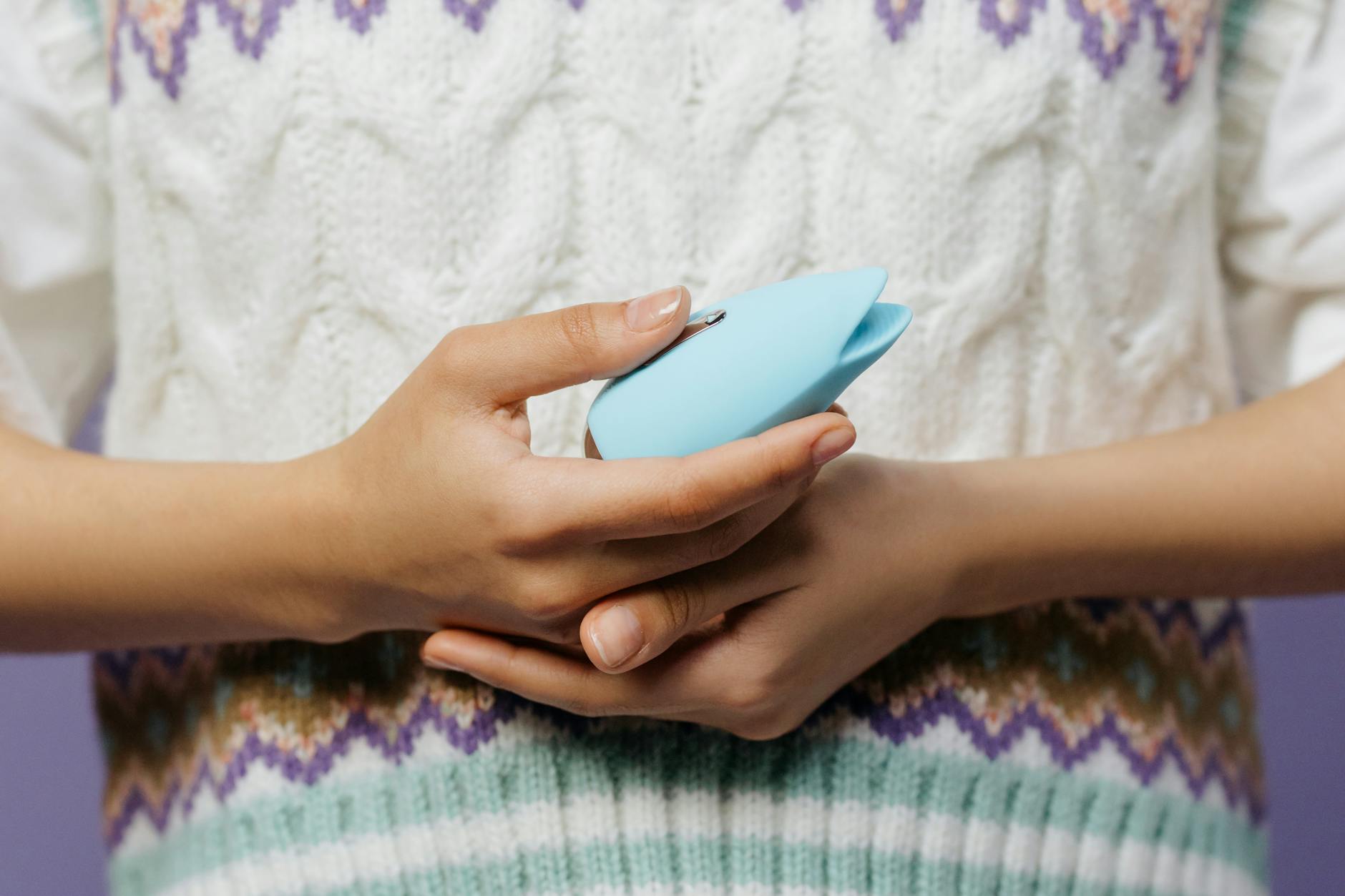
A lemon vibrator, specifically its design, can interrupt that pain cycle. Unlike traditional vibrators that rely on sustained pressure or deep penetration, clitoral suction devices (like the lemon vibrator) work through gentle stimulation. They don't require the kind of internal engagement that triggers protective tension.
Why lemon vibrators work differently for pelvic pain recovery
Three reasons this matters for someone with pelvic floor dysfunction:
Suction bypasses penetration anxiety. If internal pressure triggers your pain response, you don't need to engage pelvic floor muscles to reach the pleasure threshold. Suction stimulates the clitoris without demanding coordination from the pelvic floor itself.
Gentler sensation retrains the nervous system. Pelvic pain creates what's called "neuropathic sensitization." Your nervous system has learned that this area is dangerous. Repeated gentle, non-painful stimulation tells your nervous system a different story. This is where consistent, low-intensity sensation helps.
You control the intensity. Recovery from pelvic dysfunction is not linear. Some days your tolerance is higher. A lemon vibrator's strength settings let you dial in exactly what your body needs today, not what your body needed last week.
How to start if you're in early recovery
First, check with your pelvic floor physical therapist. If they've cleared you for gentle stimulation, here's the protocol I recommend:
Week one: exploration only, no orgasm goal. Use the lemon vibrator on its lowest setting for 5-10 minutes, just learning what sensation feels safe. You're reintroducing pleasure, not chasing release. If anything triggers pain, stop immediately and note what it was. Pain is information, not failure.
Weeks two and three: expand the window. Increase session time to 15 minutes if sensation stays comfortable. You might start trying pattern 2 on the lemon vibrator. Pay attention to where your pelvic floor is. Are the muscles relaxing into the sensation, or tightening? Relaxation is the goal.
Week four onward: add intentional relaxation. Before using the lemon vibrator, spend 3-5 minutes consciously releasing your pelvic floor. You can do this through diaphragmatic breathing (inhale for four, exhale for six, letting the belly expand on the inhale). This teaches your nervous system that pleasure is compatible with relaxation.
This timeline is general. Some people move faster. Some take months. Trust your pelvic floor physical therapist's timeline over any template.
The nervous system piece nobody mentions
Here's what's often missing from pelvic pain recovery protocols: your nervous system needs evidence that pleasure is safe. Orgasm isn't the goal for the first month or longer. Pleasure without pressure is.
When you use a lemon vibrator intentionally during recovery, you're not just stimulating tissue. You're creating a new neural pathway. Right now, your nervous system has a strong association between pelvic sensation and pain. Repeated experiences of safe, gentle sensation with the lemon vibrator builds a competing pathway: pelvic sensation can mean pleasure too.
This doesn't happen in one session or even one week. But after consistent, gentle sessions over 4-8 weeks, many people report a shift. Not that pain is gone, but that pleasure feels possible again.
Common friction points and how to navigate them
Using a lemon vibrator feels like pressure, not pleasure. This is the nervous system protecting the area. Back off intensity. Spend more time at the lowest setting. Some people benefit from using the lemon vibrator over the entire vulva, not just focused on the clitoris, to build pleasure tolerance more gradually.
Relaxing the pelvic floor feels impossible. You're not broken. Pelvic floor hypertonicity means those muscles have been clenched through pain. Progressive muscle relaxation helps. Tense the pelvic floor intentionally for five seconds, then release. Repeat five times. This teaches your nervous system the contrast between tension and relaxation.
Orgasm feels blocked or painful when it starts to happen. That's your nervous system slamming on the brakes because climax involves rhythmic pelvic floor contractions, which can feel dangerous. Slow down. Don't chase the orgasm. Use the lemon vibrator to reach a plateau of pleasure, then stop. Repeat this over several sessions. Your nervous system will eventually trust that orgasm isn't a threat.
You're frustrated because you felt "normal" before. This is grief, not failure. Your body has been through something. Recovery doesn't mean returning to baseline. It often means building something better because you're approaching pleasure with intention instead of habit.
When to involve your partner
If you have a partner, there are two conversations happening: your individual recovery, and your relational recovery. Don't collapse them into one.
Your partner doesn't need to be in the room the first few times you use a lemon vibrator during recovery. This is about you learning what feels safe in your body. Once you've built some comfort and have reliable sensations you know work, then bring your partner in if you want. They can help create a low-pressure environment, manage their own arousal separately, and support the process without making it about their pleasure.
The best thing a partner can do during pelvic pain recovery: believe you about what hurts, don't offer solutions, and show up consistently without expecting sex. That creates the nervous system safety that actually speeds healing.
The role of patience in recovery
Pelvic floor dysfunction rewires your nervous system toward protection. Rewiring it back toward pleasure takes time. Not because you're doing anything wrong, but because the nervous system doesn't update based on logic. It updates based on repeated safe experiences.
A lemon vibrator is one tool in that process. Physical therapy is another. Communication with your partner is another. So is rest, managing stress, and sometimes working with a trauma-informed therapist if pain was connected to difficult experiences.
Your pleasure matters. It's not a luxury you get back once you're "fixed." It's part of the healing process itself.
People also ask
Can I use a lemon vibrator during pelvic floor physical therapy?
Check with your physical therapist first. Some therapists integrate pleasure-based recovery from early on. Others prefer you build a baseline of muscle coordination before adding vibration. Most will give you the green light once you've done 3-4 sessions of therapy and shown some progress on tension reduction.
What if the lemon vibrator triggering pain even on the lowest setting?
That's information. Your nervous system isn't ready for vibration yet. Stick with non-vibrating touch for another few weeks. You can use your hands, focus on breathing exercises, or work with your physical therapist on desensitization. Vibration is a tool, not the only option.
Will using a lemon vibrator slow my physical therapy progress?
No. In fact, research on pelvic pain recovery shows that integrating pleasure supports nervous system healing. What matters is that you're using it gently and not pushing through pain. Pleasure and physical therapy aren't opposing forces.
How long until I can use a lemon vibrator the way I did before pelvic pain?
That varies wildly based on severity, cause, and your nervous system. Some people feel fully back to baseline in 2-3 months. Some take 6-12 months. Some find they've built a new normal that's actually better because they approach it more mindfully. Focus on progress, not timeline.
Should I be having orgasms during recovery?
Not necessarily. If orgasm happens naturally without chasing, great. If it doesn't, that's fine too. The goal during recovery is rebuilding the sensation-to-pleasure connection, not achieving specific outcomes. Orgasm will follow once your nervous system trusts that pleasure is safe.
Can pelvic pain recovery involve both penetrative sex and a lemon vibrator?
Yes, but usually not at the same time early in recovery. Many people benefit from using a lemon vibrator to build arousal and pleasure, then introducing penetration once the nervous system has recalibrated. Or using the lemon vibrator solo while the pelvic floor is still sensitive, and partnered sex separately. Your pelvic floor physical therapist can help sequence this.
Getting back to pleasure, on your terms
Pelvic pain told your body to stop. That's not a personal failure. That's your nervous system doing its job. But healing means carefully, intentionally proving to your nervous system that pleasure is compatible with safety.
A lemon vibrator can be part of that proof. Gentle sensation, low pressure, no demand for internal coordination. Used consistently over weeks, it rebuilds the pathway between pelvic sensation and pleasure. Not forced. Not rushed. Just steady, safe, and entirely in your control.
Your pleasure matters during recovery, not after. If you're navigating pelvic pain or dysfunction and want to talk through your specific situation, reach out.