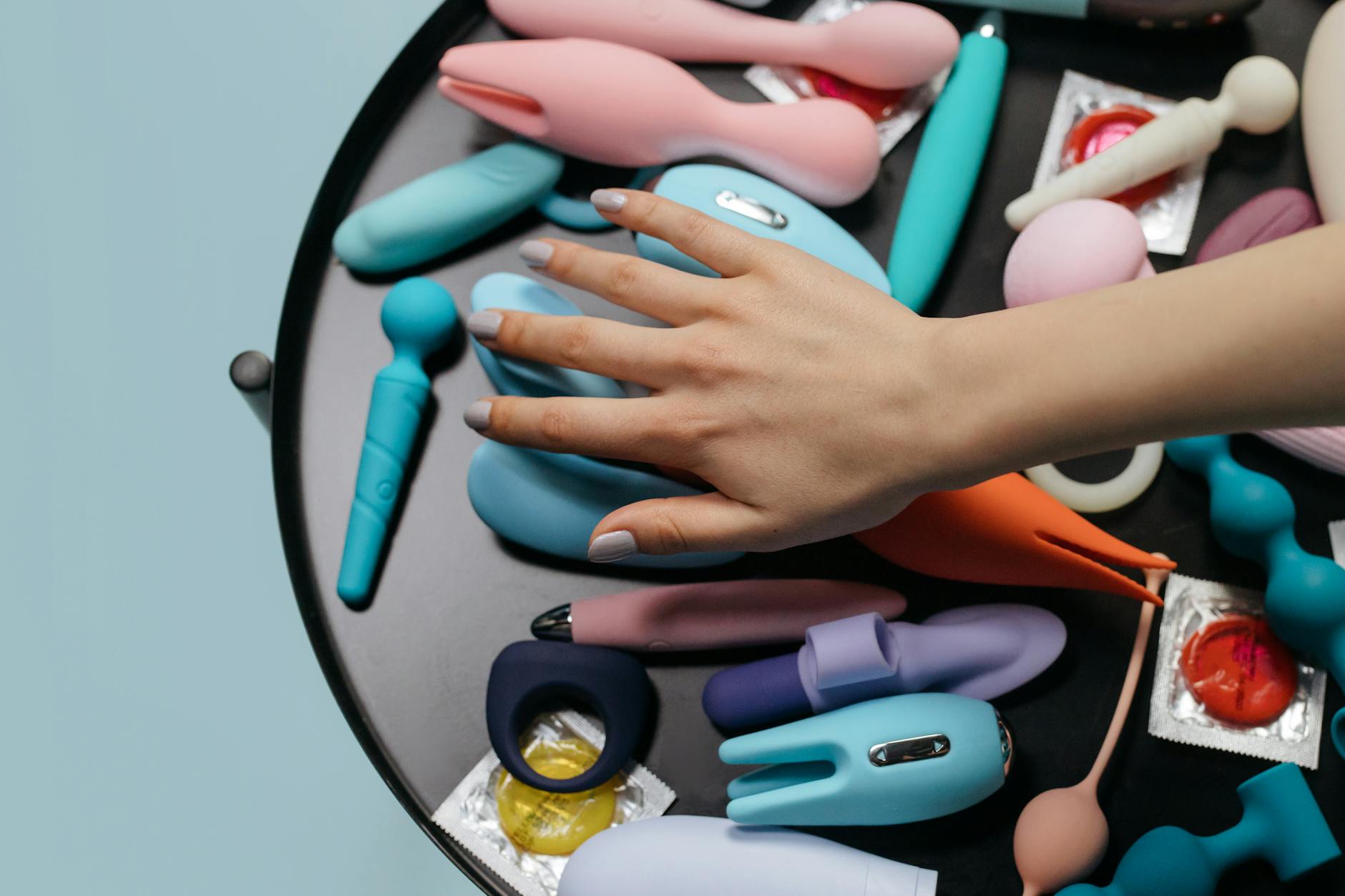
Here's the thing about restarting sex after a break
The gap doesn't have to kill the momentum. What kills it is pretending the gap doesn't exist. Most couples who pause sex—whether for a few weeks or months, whether planned or circumstantial—try to pick up exactly where they left off. That's backward. Your bodies have changed, your anxiety levels have shifted, and your timing is probably different now. A lemon vibrator reframes the entire dynamic from "performing like we used to" to "exploring what works now." That's the difference between awkward and connected.
I've worked with couples rebuilding intimacy after long separations, medical recoveries, work relocations, even brief breaks after conflict. The ones who get it right don't rely on willpower or nostalgia. They use tools that take the performance pressure off and let sensation lead.
Why the gap rewires your nervous system (and why you need to know this)
When you're not having sex with someone for a while, your body doesn't just pause. It recalibrates. Arousal circuitry gets dusty. If there was tension before the break, your nervous system might be slightly defensive about intimacy again, even if your brain wants to reconnect. This isn't a failure of desire. It's biology doing what it does: protecting you.
A lemon clitoral vibrator—especially one like the Lem with its suction-based design—works around this because it doesn't require the same kind of vulnerability that partnered sex does. You can warm up your own arousal system independently. Your partner gets to witness and participate without being the sole source of sensation. That shared-but-independent approach rebuilds trust in pleasure faster than almost anything else.
Starting the conversation before you start anything physical
This part determines everything that follows. Don't say: "So, are we back together, sexually speaking?" Do say: "I want to explore what feels good for both of us now, without pressure or expectations. I'm thinking a lemon vibrator could help us reset without it being weird."
The specificity matters. Naming the tool ahead of time does two things: it removes shame (you're both talking about a concrete object, not vague feelings) and it sets the expectation that this is exploratory, not performance-based.
If your partner hasn't used a lemon vibrator before, show them reviews or the product page. Let them hold it. Hear their questions. If they're hesitant, ask specifically what worries them. Often it's not the vibrator itself. It's a fear that the vibrator means you don't want them, or that they're being replaced. That's worth addressing directly before you ever turn it on.
The three-phase restart: how to actually do this
Phase One: Solo recalibration (days 1-3)
Use the lemon vibrator alone first. Not because your partner isn't invited, but because you need to know your own body's baseline. After a sexual pause, your arousal response might be slower, faster, more intense, or more muted than before. You need that information before you bring someone else into it.
Set aside 20-30 minutes when you won't be interrupted. Start at setting 1 or 2 (the lowest patterns). Take your time. Notice what feels good, what doesn't, and where your arousal peaks and dips. This isn't about orgasm. It's about reconnecting with sensation.
Many people skip this step because they feel pressure to immediately involve their partner. Don't. The confidence you build solo transfers directly to partnered exploration. You'll know what to ask for.
Phase Two: Guided partner observation (days 4-7)
Invite your partner to be present while you use the lemon vibrator. You're controlling it. They're just watching and touching you in other ways if you want that. This is not about their arousal or performance. It's about them learning your current pleasure map.
Talk while you're doing it. Not clinical talk ("This is stimulation at 80 percent intensity"), but real talk. "This feels incredible." "I like it when you touch my neck right now." "Can you just sit with me for a minute?" Your partner learns to see you as a pleasure-having person, not just as someone to have sex with.
Many couples find this phase surprisingly intimate. There's no penetration, no pressure to maintain erection, no anxiety about lasting long enough. Just attention and sensation.
Phase Three: Mutual pleasure integration (week 2 onward)
Now you use the lemon vibrator together in whatever way fits. Some couples love the receiver using it while the partner is inside them. Some prefer the partner holding the vibrator while the receiver focuses on penetration or kissing. Some use it as foreplay that leads to partnered sex, others as the main event with other touching around it.
The key: you've now built three weeks of positive association with the vibrator. It's not a "last resort" or a "thing we do when regular sex isn't happening." It's part of your actual toolkit.
Managing the specific anxieties that come up
Here's what couples usually don't talk about but absolutely should:
"What if I'm not attracted to them anymore?" That's the fear hiding under a lot of hesitation. Honest answer: if the break was long enough or hard enough, it's possible. But most of the time, that feeling is fear-based, not actual lack of attraction. Using a lemon vibrator together is actually a great test. If pleasure returns and they're present with you while you experience it, attraction usually follows.
"What if one of us comes too fast or too slow?" That's precisely why a vibrator helps. It removes the pressure to sync. You can both get there at your own pace. The vibrator doesn't care about timing.
"This feels like we're starting from scratch again." You are. And that's okay. Most couples who restart sex after a break say the second time is better than the first because there's less ego involved. You're both just trying to feel good together. A lemon vibrator normalizes that permission.
Practical settings and rhythm for reconnection sex
Start with the lower patterns. If you're rebuilding arousal together, your bodies probably need gentler stimulation to warm up. Think 10-15 minutes of foreplay before you even introduce the vibrator.
When you do use the lemon vibrator, spend time on patterns 1 and 2. These feel less intense than you might expect, which is actually the point. You're not trying to rush to orgasm. You're trying to rebuild the neural pathways that say "this is safe, this is good, this is connected."
Many people jump to patterns 4-5 because they assume higher intensity equals better pleasure. It doesn't, especially during reconnection. Lower intensity for longer builds arousal more sustainably and lets you feel your partner's presence more clearly.
When to pause and reassess
If either of you feels pain, numbness, or dissociation during this process, stop. This isn't about pushing through discomfort. It's about safety and consent—both with your partner and with yourself.
If one of you is enthusiastic and the other reluctant, that's not a sign to push forward. It's a sign to have a deeper conversation about what the reluctance actually is. Sometimes it's lingering hurt from the break. Sometimes it's something else entirely. A lemon vibrator can't fix that. Only honesty can.
The emotional work underneath
Restarting sex after a break is almost never just about sex. There's usually an underlying story about disconnection, conflict, or circumstance that needs acknowledgment. Using a lemon vibrator together can help rebuild physical trust, but it won't heal the emotional stuff on its own.
If the break happened because of relationship conflict, consider working with a couples therapist alongside the physical reconnection. If it was circumstantial (illness, travel, work stress), the vibrator approach usually works faster because there's less emotional baggage.
Either way, patience matters. Rebuilding intimacy after a pause typically takes 4-8 weeks before it feels natural again. That's not a failure. That's normal.
The goal isn't to return to what you had. It's to build something better because you both understand each other more now.
People also ask
How long should I wait after a breakup to use a lemon vibrator with my partner again?
If you've separated and reconciled, I'd suggest waiting until the relationship feels stable again, which is usually 2-4 weeks post-reconciliation. If the relationship is actively healing or there's unresolved conflict, wait longer. The vibrator isn't a tool for fixing relationship problems. It's a tool for deepening connection once the foundation is rebuilt. If you're not sure the reconciliation is solid, that's worth talking through with a therapist first.
Can using a lemon clitoral vibrator together prevent us from having intimacy issues again?
No, but it can strengthen the foundation that prevents most issues. Regular physical intimacy—including with a lemon vibrator—keeps couples in tune with each other's bodies and reduces resentment that often leads to disconnection. It's not a magic fix. It's one piece of a larger practice of staying connected. That practice also includes communication, date nights, and emotional presence.
What if my partner is embarrassed about using the vibrator?
This is actually common, especially if your partner is male or comes from a background where sex toys feel "emasculating." Here's what helps: position it as something for their pleasure too, not just yours. Some men find it incredibly hot to use a lemon vibrator on a partner. Others need time to warm up to the idea. Respect the timeline, but don't drop the topic entirely. Sometimes it takes three conversations across two months before someone shifts from embarrassed to curious.
Is it okay to use a lemon vibrator if we haven't had sex in over a year?
Absolutely. In fact, it's ideal. Long breaks often mean tissue has changed, arousal patterns have shifted, and pressure feels immense. A vibrator removes the pressure and helps you both rediscover pleasure without the "I need to perform" anxiety. Start with lower settings and take your time. Your body will appreciate the gentle approach.
How do I know if the vibrator is helping or if we're just avoiding deeper issues?
Pay attention to what happens outside the bedroom. Are you also talking more, laughing together, and feeling affection? Are you initiating non-sexual touch? If yes, the vibrator is working because it's part of a larger reconnection. If intimacy only happens with the vibrator and everything else feels distant, that's a signal that the relationship needs other kinds of repair first. A lemon vibrator enhances connection. It doesn't create it from nothing.
Should we talk about what caused the sexual pause before we restart?
Yes. Not as a prerequisite to every session, but at some point before you're regularly having sex again. You don't need to hash out every detail, but you do need to acknowledge what happened and agree that you're both moving forward. This conversation prevents resentment from sneaking back in later.
Moving forward
Restarting sex after a break is less about willpower and more about creating conditions where both of you can relax. A lemon vibrator does that by shifting the focus from "Are we still attracted?" to "What feels good right now?" Those are completely different questions, and the second one is actually answerable.
Start slow. Talk beforehand. Use the lower settings. Let sensation guide you, not expectation. Most couples find that reconnection, once it starts, moves faster than they expected. Your body remembers. Your partner's body remembers. You just needed permission to start again.
If you have questions about how to navigate this or want support beyond what you're reading here, reach out to us. We're here to help you rebuild what matters.