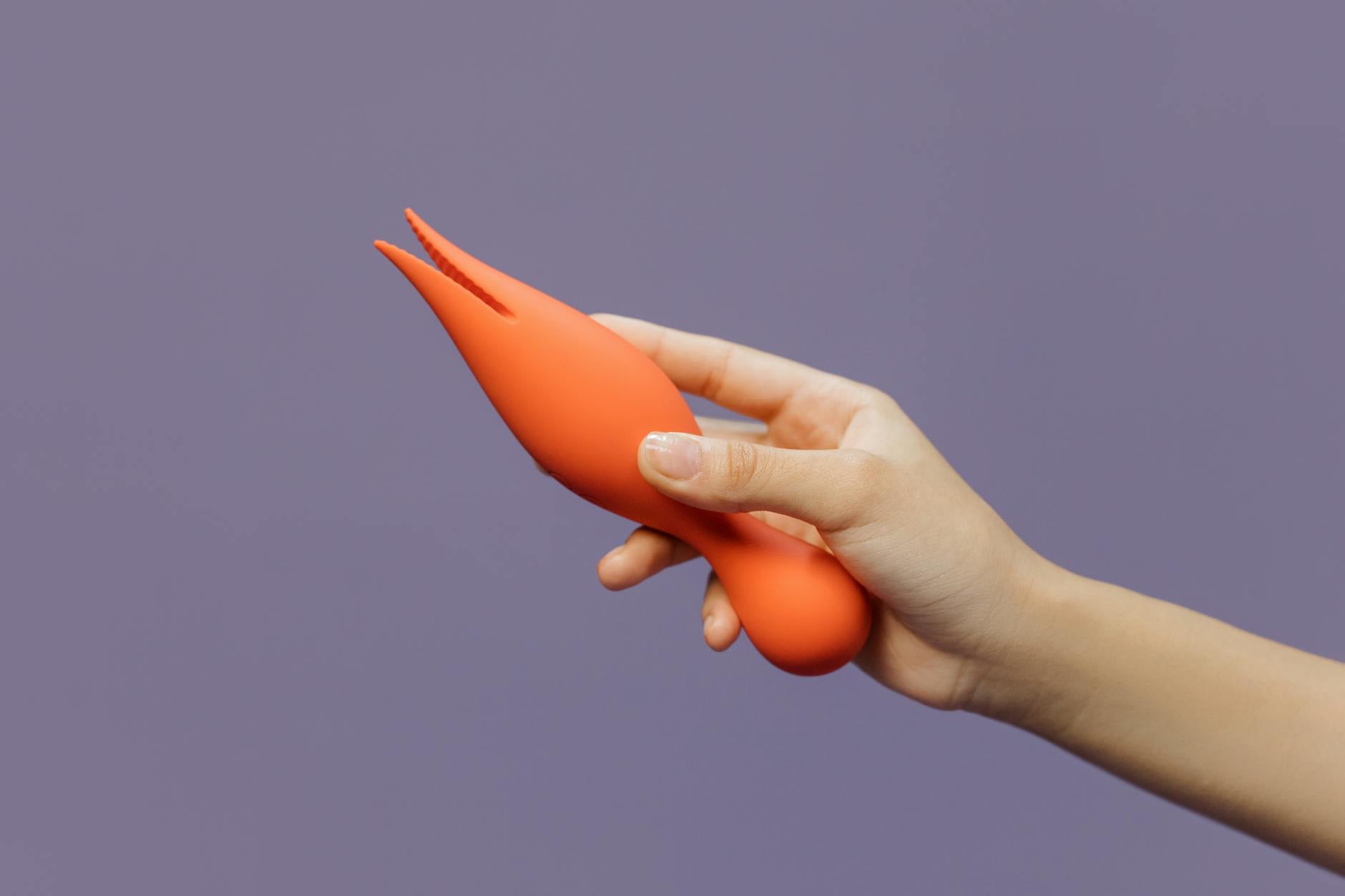
How to Use a Lemon Vibrator With Lower Estrogen After Perimenopause
Here's what nobody tells you about perimenopause and pleasure: your clitoris didn't go anywhere. Your capacity for sensation didn't vanish. What changed is the tissue around it, the speed at which arousal builds, and how the Lemon Vibrator's suction feels against skin that's shifted.
That's fixable. And honestly, a lot of people find their most satisfying orgasms happen once they stop fighting the change and start working with it.
What lower estrogen actually does to sensation
Estrogen isn't just about fertility. It keeps vaginal and vulval tissue plump, well-lubricated, and highly sensitive to touch. When estrogen drops during perimenopause, that tissue thins. It becomes more delicate. Blood flow to the area decreases slightly, which means arousal takes longer to register and sensation can feel muted at first.
But here's the part people get wrong: thinner tissue doesn't mean less pleasure. It means different pleasure.
The clitoral nerve bundle stays intact. Your brain's wiring for orgasm doesn't change. What does happen is that direct friction or hard pressure sometimes feels sharper or uncomfortable instead of pleasurable. This is where a Lemon Vibrator actually shines. The suction mechanism works differently than traditional vibration. It pulls rather than presses, which distributes pressure more gently across sensitive tissue. That's why so many people with lower estrogen report that lemon clitoral vibrators feel better than they did before hormonal shifts.
The three biggest sensation changes and what to do about them
1. Arousal takes longer to build. You might have spent your whole life reaching peak arousal in five minutes. Now it's fifteen. This isn't dysfunction. It's a rhythm change. Budget more time for foreplay. Solo or partnered. Slow warm-up isn't a compromise. It's often more intense because you're not rushing.
2. Lubrication feels different. Your body produces less natural lubrication, and what's there may be thinner. This doesn't mean you can't use a Lemon Vibrator. Use a water-based lubricant every time. Not because something is wrong with you, but because thinner tissue benefits from glide. Silicone lube feels richer and more slippery, but it can degrade silicone toys. Stick with water-based.
3. The intensity threshold shifts. You might have loved the highest setting on a Lemon Vibrator before. Now it feels overwhelming or even slightly painful. This isn't about losing sensitivity. It's about the ratio of nerve sensitivity to tissue thickness changing. Start at settings one through three and work up. Your body will tell you where the sweet spot is.
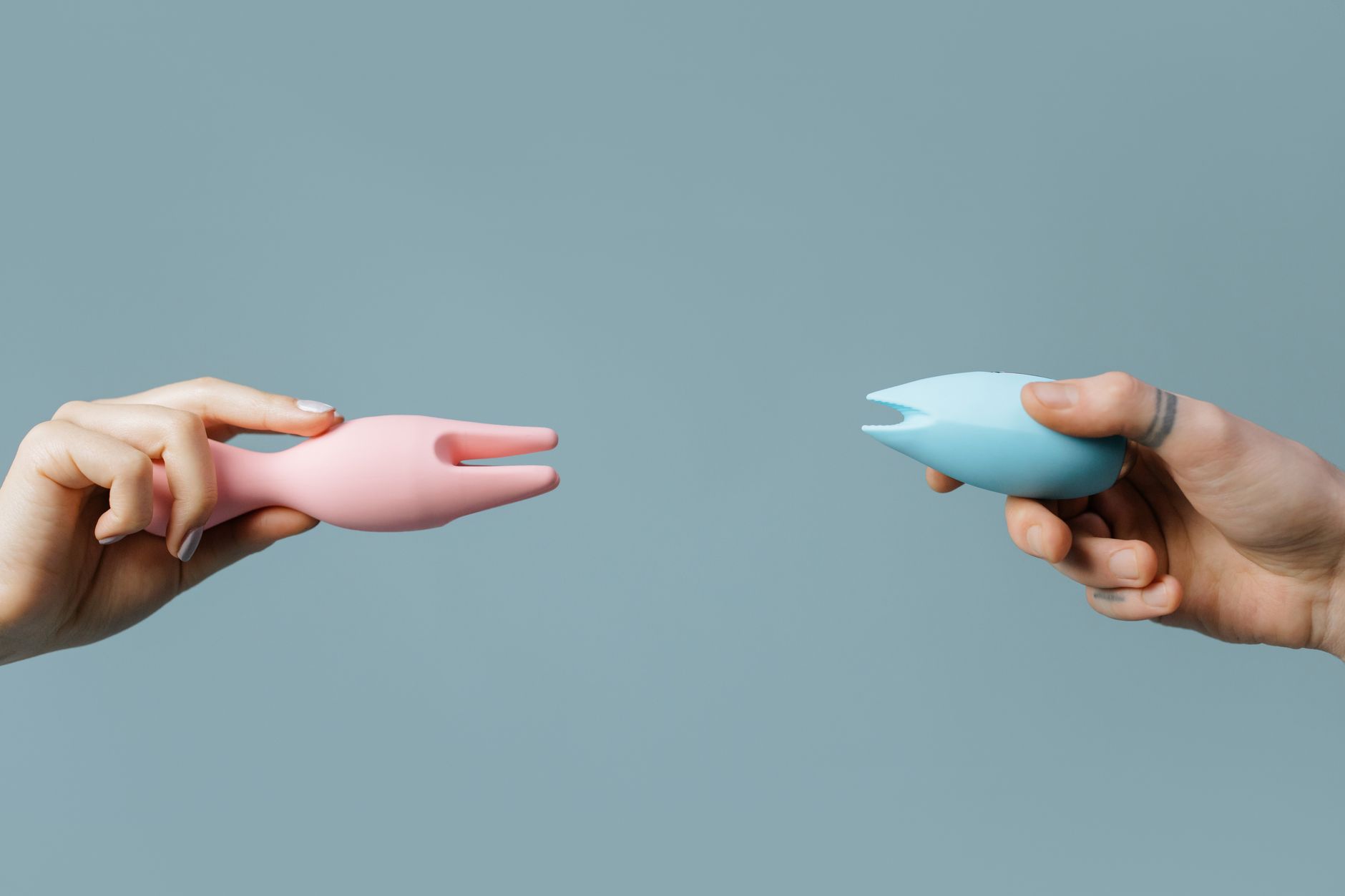
Photo by cottonbro studio on Pexels
Warm-up is not foreplay. It's essential.
I work with couples navigating perimenopause, and one of the biggest friction points is this: partners think "arousal taking longer" means something went wrong. It didn't. Your nervous system just needs more time to downshift into pleasure.
Set aside twenty to thirty minutes. Start clothed if you want. Breathe deeply. Touch your inner arm, your neck, the backs of your ears. Then gradually move toward the vulva. By the time you pick up the Lemon Vibrator, your body will already be warm and ready. You're not "fixing" anything. You're honoring how your body works now.
For solo pleasure, this is even more important. Many people skip warm-up and jump straight to the toy. That worked fine when estrogen was higher. Now, warm-up is what separates a mediocre session from an incredible one.
Pattern and rhythm matter more than intensity
Lemon Vibrators have multiple patterns. Most people find that after hormonal shifts, pattern changes are more pleasurable than intensity increases. Why? Because patterns create rhythm and anticipation. Intensity is just... loud.
Start with a lower setting and a consistent pattern. Stay there for a few minutes. Let your nervous system anchor to the sensation. Then try a different pattern. You might find that pattern five at setting two feels better than pattern one at setting five.
This isn't trial and error. This is exploration. Your body's preferences are shifting, and you're allowed to experiment.
Lubrication strategies that actually work
Use a water-based lubricant designed for sensitive skin. A thin layer feels better than a thick one. Apply it to your vulva and to the Lemon Vibrator's suction cup. Reapply midway through if sensation starts to feel dry. This isn't about "fixing" your body. It's about creating optimal conditions for sensation.
Some people swear by hyaluronic acid or aloe-based lubes. Others prefer glycerin-free formulas. Experiment and notice which ones your tissue prefers. You deserve a lubricant that feels good, not just functional.
The psychological shift is just as real as the physical one
Perimenopause often arrives with other life transitions. Kids growing up. Career shifts. Relationship renegotiations. Your brain is processing a lot. That mental load absolutely affects arousal and sensation.
Separate the conversation from the body conversation. "My tissue feels different" is a different topic than "I feel invisible in this relationship" or "I'm grieving the body I used to have." Both are real. Both matter. But you can't solve one by fixing the other.
If you're with a partner, this is the moment to get explicitly curious. Not to perform or reassure. To actually ask: what turns you on now? Has anything changed about what you want? Some couples find that this transition actually deepens their intimacy because they have to talk about pleasure instead of assuming it.
When to seek additional support
If sensation has become painful, that's your signal to check in with a gynecologist. Genitourinary syndrome of menopause (GSM) is real and highly treatable. Topical estrogen creams work fast and don't have systemic absorption. You don't have to live with pain.
If arousal has essentially disappeared and isn't coming back, that's also worth discussing with a doctor. Testosterone therapy is an option some people explore. It's not standard everywhere, but it's available and often game-changing for the right person.
And if you're grieving the shift and struggling emotionally, a therapist who specializes in midlife transitions can help. Pleasure isn't just physical. It's psychological and relational too.
The Lemon Vibrator advantage during perimenopause
Here's why I often recommend lemon clitoral vibrators specifically during hormonal transitions: the suction mechanism is forgiving. It doesn't require precise positioning. It doesn't rely on hard pressure. And because sensation is happening across a broader area rather than in one concentrated point, thinner or more sensitive tissue feels less strain.
Start with the lower settings. Use a water-based lubricant. Give yourself a real warm-up. And notice what happens. Most people find that within a few sessions, they figure out the new rhythm. And many report that their orgasms actually intensify once they stop fighting the change.
Reclaiming pleasure after perimenopause
Your body isn't broken. It's different. And honestly, different doesn't mean worse. It means you get to be curious again. You get to figure out what turns you on in this new iteration. You get to stop performing the version of pleasure you had at thirty and start exploring the version you have now.
The Lemon Vibrator is just a tool. But it's a really good one for this particular transition. Use it with patience, good lubrication, and the understanding that sensation changes are normal, fixable, and often lead somewhere better.
FAQ: Lemon Vibrators and lower estrogen after perimenopause
Can I still have orgasms with a Lemon Vibrator if estrogen is lower?
Absolutely. Your clitoral nerve endings didn't go anywhere. Your brain's capacity for pleasure didn't change. What shifted is the tissue around the clitoris and how quickly arousal builds. A Lemon Vibrator actually works really well because suction is gentler on thinner tissue than hard vibration. The mechanism distributes pressure differently, which many people find more comfortable and more intense during lower estrogen phases.
Why does my Lemon Vibrator feel different than it used to?
Thinner vulval and vaginal tissue changes how sensation registers. Lower tissue thickness means less cushioning, so pressure that felt amazing before might feel sharp now. Reduced blood flow to the area means arousal builds more slowly. And decreased natural lubrication changes the glide and friction. None of this is permanent. It just means your body needs a slightly different approach: more warm-up, water-based lubricant, and possibly lower intensity settings initially.
Should I use a lower setting on my Lemon Vibrator after perimenopause?
Many people do, at least initially. But it's not a rule. Some find that starting low and working up feels better. Others discover that certain patterns at high intensity feel amazing while other patterns at high intensity feel overwhelming. Experiment. Your preferences during lower estrogen are just as valid as they were before. You're not "losing" sensation. You're discovering what works now.
How much warm-up time do I really need with a Lemon Vibrator during perimenopause?
Twenty to thirty minutes is ideal if you have the time. But even ten minutes of genuine touch and arousal building makes a significant difference. The point isn't the clock. It's giving your nervous system enough time to shift from sympathetic (stressed, alert) to parasympathetic (relaxed, receptive). Rushed pleasure during perimenopause rarely feels satisfying. Slow pleasure almost always does.
Is water-based lubricant required with a Lemon Vibrator after hormonal changes?
Not required, but strongly recommended. Lower estrogen means less natural lubrication, and the tissue is more delicate. Water-based lubricant reduces friction and discomfort while letting you feel the Lemon Vibrator's suction clearly. Silicone lube feels richer but can damage silicone toys. Stick with water-based. Reapply midway through if sensation starts to feel dry.
Can perimenopause-related changes to Lemon Vibrator sensation be reversed?
Not fully, because estrogen stays lower. But your nervous system adapts remarkably quickly. Within a few weeks of consistent exploration with the right approach, sensation often feels more familiar and more intense. You're not going back to before. You're moving forward into a different version. And for a lot of people, the new version is better.
This article is informational only and not a substitute for medical advice. If you're experiencing pain, significant sensation loss, or emotional distress around sexuality during perimenopause, consult a healthcare provider or therapist who specializes in reproductive health or midlife transitions.