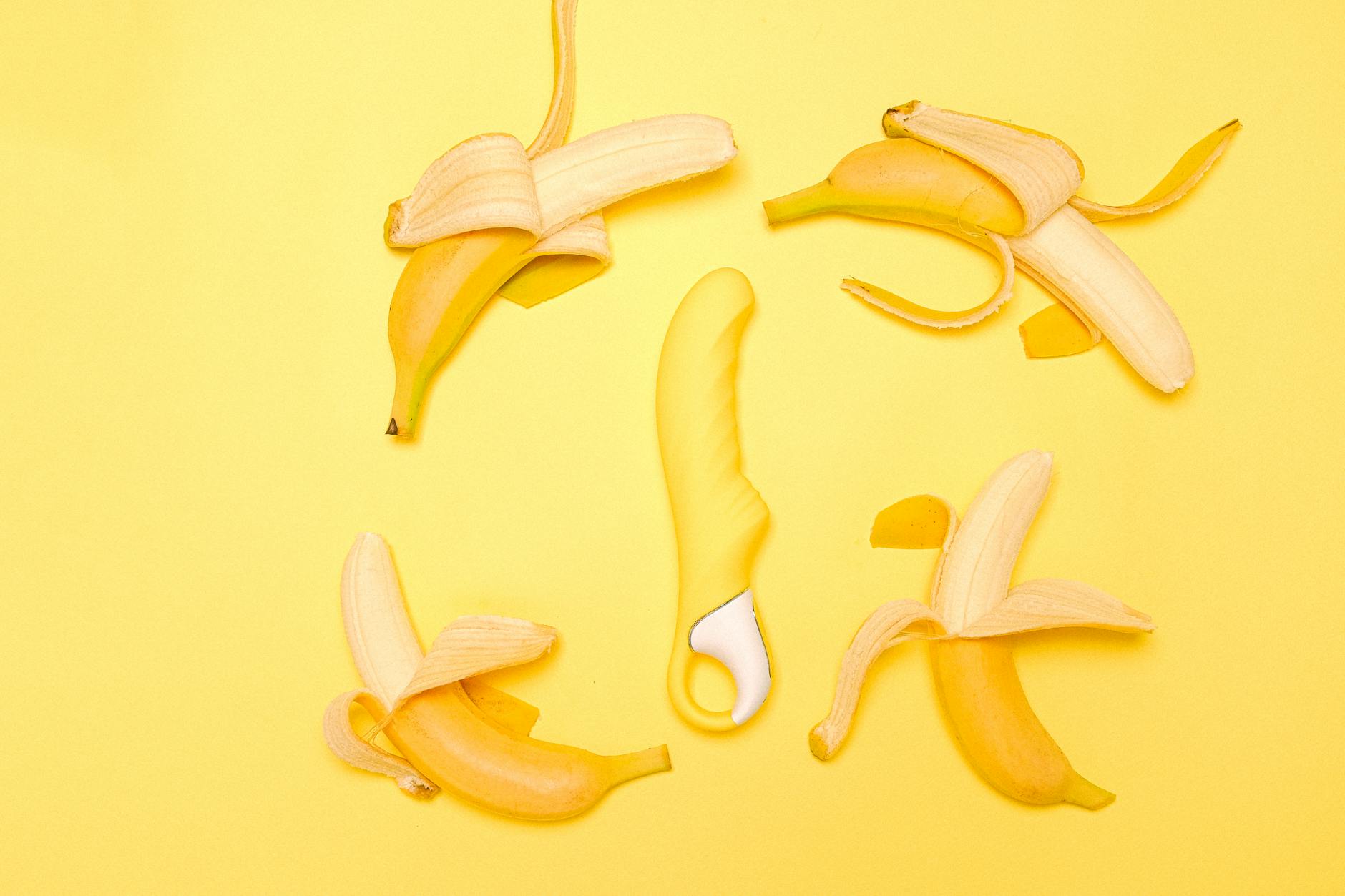
Let's start with the hard truth
SSRIs work. They genuinely help. And yes, they often make orgasm harder to achieve and arousal slower to build. Both things are true, and pretending one cancels out the other is useless.
About 40 to 60 percent of people taking SSRIs report some change in sexual response. Most commonly, arousal takes longer, orgasm arrives later or not at all, and desire feels muted. This isn't laziness or relationship trouble or psychological block. It's neuropharmacology. Your brain's serotonin regulation has changed, and that affects the whole sexual response cascade.
Here's what matters: knowing how it works means knowing how to work with it instead of against it.
How SSRIs actually change sexual response
SSRIs increase available serotonin in your brain by preventing its reabsorption. That's brilliant for mood regulation. It's less brilliant for sexual function because serotonin and dopamine have a weird inverse relationship in the reward system. When serotonin rises, dopamine signals often quiet down. Dopamine is the neurotransmitter that drives arousal, desire, and the motivation to seek pleasure.
At the same time, SSRIs can dampen the sensitivity of your genital nerves to stimulation. Your clitoris might still have the exact same nerve density, but the signal it sends to your brain when touched gets muffled, like turning down a radio dial.
And here's the thing that catches most people off guard: orgasm becomes the last domino to fall. It's not that you can't build arousal. It's that you can build it to 85 percent and then it plateaus. Your body feels good, your brain is engaged, but something stops the cascade from reaching the peak.
Why a lemon vibrator works differently than a standard vibrator on SSRI bodies
Most vibrators use continuous or patterned vibration. Your nerve endings habituate to consistent input pretty quickly, especially when serotonin is high. It's the same reason why scrolling on your phone feels interesting for 10 minutes and then becomes numb background noise.
Lemon clitoral vibrators, including the Lem, use pulsed suction rather than pure vibration. Suction creates a pressure wave that stimulates a broader area of tissue and engages nerves at different depths. It's not a repetitive signal your brain can tune out as easily. Think of it as the difference between a steady tone and a rhythm. Your nervous system pays more attention to rhythm.
For SSRI bodies specifically, this matters. Because the stimulation pattern is variable rather than habituating, you stay engaged longer without needing to increase intensity. That's useful when your baseline arousal is already dampened.
Setting up your body for success with a lemon clitoral vibrator
Three tactical adjustments make a real difference.
Start during higher-desire windows. SSRIs don't eliminate desire entirely. They flatten it. But it still fluctuates. Some people notice desire peaks in the afternoon, or right after exercise, or on specific days of the cycle even after hormonal changes. Track yours for two weeks. Then front-load your pleasure time into those windows. You're not fighting your brain chemistry. You're cooperating with it.
Build arousal time massively. On non-SSRI bodies, 5 to 10 minutes of foreplay often works. SSRI bodies often need 20 to 40 minutes of buildup before suction stimulation will register strongly. This isn't failure. This is just the new timeline. Treat it as a feature, not a bug. Extended foreplay is objectively more fun anyway.
Use lube intentionally. Water-based lubricant doesn't just help tissue comfort. It also improves the suction seal and pressure wave transmission. Better contact means stronger signal reaching your nerves. When arousal is already dampened, this small mechanical optimization matters.
The rhythm that works best
Instead of going straight to high-intensity patterns on your lemon vibrator, try this approach.
Start at pattern 1 or 2, the gentlest settings. Spend 5 to 7 minutes there, even if it feels too light. You're not trying to orgasm yet. You're waking up nerve sensitivity and priming your dopamine system. Your brain is learning that pleasure is coming.
Then move to pattern 3 or 4. Spend another 5 to 10 minutes. Notice what changes. Does sensation intensify? Does your breathing shift? Does your pelvic floor want to engage? These are all good signals.
Only then, if it feels right, move to higher intensities. But here's the key: stay on medium settings. A lot of SSRI bodies find that maximal intensity actually numbs things rather than amplifying them. The sweet spot is often 60 to 75 percent of maximum intensity.
Managing the plateau without frustration
Plateauing is normal on SSRIs. You can build toward an orgasm and then feel it level off instead of tipping over. Most people's first instinct is to either increase intensity or give up. Neither works well.
Instead, try this. When you feel the plateau coming, pause. Stop all stimulation for 30 to 60 seconds. Breathe slowly. Let your arousal dip slightly. Then restart at a lower intensity. This creates a wave pattern instead of a flat line. Often, the second or third wave carries you over the peak.
Alternatively, introduce novelty. Switch to a different pattern. Change the angle of stimulation. Engage your brain in a new way. SSRIs make habituation stronger, so novelty becomes a tool.
And yes, sometimes orgasm won't happen. That's okay. Pleasure that doesn't end in orgasm is still pleasure. The goal isn't the O. The goal is the experience.
When to talk to your prescriber
If sexual side effects are significantly impacting your quality of life, you have options. This doesn't mean stopping your medication. It means a conversation.
Some people switch to SSRIs with lower sexual side effect profiles. Sertraline and paroxetine have higher rates of sexual dysfunction. Bupropion actually increases dopamine and has lower sexual side effects. Escitalopram and fluoxetine fall somewhere in the middle. A good prescriber can discuss these trade-offs.
Others add a second medication that counteracts the sexual side effect. Buspirone or sildenafil are sometimes used alongside SSRIs for this reason. Again, this is a conversation to have.
Timing matters too. Some people find that taking their SSRI at night instead of morning shifts when side effects peak, giving them a window during the day with better arousal. Or vice versa. Small timing changes sometimes help.
The point: you're not stuck. You have agency here.
The relationship between pleasure and mental health
Here's something important that gets buried in the logistics. Sexual side effects from SSRIs can feel like a betrayal by the medication that's keeping you stable. The resentment is real and worth acknowledging.
What sometimes helps is reframing pleasure as part of your mental health maintenance, not separate from it. Your SSRI is doing essential work. Your sexual pleasure is also essential work. They're not opponents. They're both part of staying well.
When you use a lemon clitoral vibrator intentionally, with the right timing and rhythm, you're not fighting your medication. You're building a practice that works with your current neurochemistry. That's not settling. That's wisdom.
People also ask
Q: Can I switch SSRIs to avoid sexual side effects?
A: Absolutely. Different SSRIs have different sexual side effect profiles. Bupropion actually has fewer sexual side effects than other antidepressants. Sertraline and paroxetine tend to have higher rates. Talk to your prescriber. Switching is a legitimate option if the side effects are significantly impacting your life. The goal is to find a medication that works for your depression or anxiety AND leaves room for your sexuality.
Q: Do lemon vibrators work better than traditional vibrators for SSRI bodies?
A: Lemon suction vibrators like the Lem work differently than standard vibrators because suction creates variable pressure waves rather than repetitive vibration. SSRI bodies habituate quickly to consistent input. The pulsed suction pattern is less likely to create that dulling effect, so you can stay engaged longer. That said, everyone's neurology is different. Some SSRI users feel stronger response with traditional vibration at higher intensities. Experiment and notice what your body actually responds to, not what the theory predicts.
Q: How long does it take to rebuild sexual response after starting an SSRI?
A: There's no standard timeline. Some people adapt to sexual side effects within a few weeks as their body finds a new baseline. Others experience them consistently for months. About 10 to 15 percent of people find their sexual response eventually returns closer to baseline even while staying on the medication. If you're still struggling significantly after three months, that's a good time to revisit the medication conversation with your prescriber.
Q: Can I take anything to counteract SSRI sexual side effects?
A: Your prescriber can discuss options. Buspirone is sometimes added to offset sexual dysfunction. Some people find sildenafil helpful. Timing your SSRI dose differently can shift when side effects peak, sometimes opening a window with better arousal. These are all conversations to have with your doctor, not things to self-manage with supplements or other drugs.
Q: Will using a lemon vibrator frequently help my body readjust to pleasure?
A: Consistent use can help rebuild sensitivity and create new neural pathways around pleasure. Your brain is plastic. Repeated positive experiences with arousal and orgasm can recalibrate your dopamine response. That said, this works better when you're not forcing it. Gentle, regular practice with the right tools and timing tends to work better than determined effort. Some people find that using a lemon clitoral vibrator two to three times weekly helps them rebuild sexual confidence and sensitivity over several months.
Q: Do SSRIs affect arousal differently depending on your sex or gender?
A: Sexual side effects affect all bodies, but they sometimes show up differently. People with vulvas tend to report delayed or absent orgasm most frequently. People with penises often report erectile difficulty or delayed ejaculation. But there's huge individual variation. The best approach is to listen to what your body is actually experiencing rather than what the research says people typically experience. You might be the exception, and that's useful information.
The bottom line
SSRIs are worth taking. Your mental health matters. Pleasure also matters. The two aren't mutually exclusive, even though it sometimes feels that way. A lemon clitoral vibrator, paired with intentional timing, extended arousal windows, and the right rhythm pattern, can be a real tool in rebuilding your sexual response on SSRI medication.
If you're struggling, you have options. Talk to your prescriber. Experiment with your body. Be patient with the timeline. You're not broken. You're working with a different neurochemistry, and that's something you can actually work with.
Have questions about how to navigate this? Reach out at /contact and let's talk through what might work for your specific situation.