Let's talk about what actually happens
Your body just did one of the most physically demanding things it's capable of doing. Whether you gave birth vaginally or by cesarean, your pelvic floor, your nervous system, and your hormone landscape are fundamentally different than they were six weeks ago. And yes, that changes sensation. But here's the thing nobody tells you clearly: reduced sensation isn't permanent, and it's not broken. It's an adaptation.
Most postpartum people expect sex to feel normal again by week six. That's when doctors clear you. What nobody mentions is that "cleared for sex" means "your tissue has healed enough that you won't tear again." It does not mean sensation is back online.
What's actually happening in your pelvic floor
During pregnancy and birth, your pelvic floor muscles stretch dramatically. If you gave birth vaginally, there's actual tissue trauma. Even if it healed without visible tearing, the nerves that transmit sensation have been stretched, swollen, and are still recovering. The pelvic floor is also hypersensitive to pressure right now, which can feel less like pleasure and more like discomfort or numbness.
Add to that the fact that estrogen is tanking (especially if you're breastfeeding), and vaginal tissue gets thinner, less vascularized, and less responsive to stimulation. This is the same tissue change that happens in menopause. It's real. It's not psychological.
Your clitoris itself usually feels relatively normal, but the surrounding tissue and the neural pathways connecting to your brain are still reorganizing. That's why sensation often feels muffled or distant. Your nerves aren't dead. They're just very busy rebuilding.
The timeline nobody talks about
Week 6 to 12 is typically when people notice sensation beginning to return. By four to six months postpartum, most people report significant improvement. If you're breastfeeding exclusively, recovery might be slower because estrogen stays lower. Once you wean or introduce formula, hormonal shifts can actually speed up tissue recovery.
Here's what matters: this is not linear. Some days sensation feels closer. Some days you'll feel completely numb. Hormonal fluctuations, stress, sleep deprivation, and how much you've been touching your body all affect this. Don't assume one numb session means you're stuck there forever.
Why lemon vibrators help when sensation is muted
Traditional vibrators rely on friction and direct pressure. When your tissue is tender and sensation is reduced, more stimulation intensity often just means more pressure, which registers as pain or overstimulation instead of pleasure.
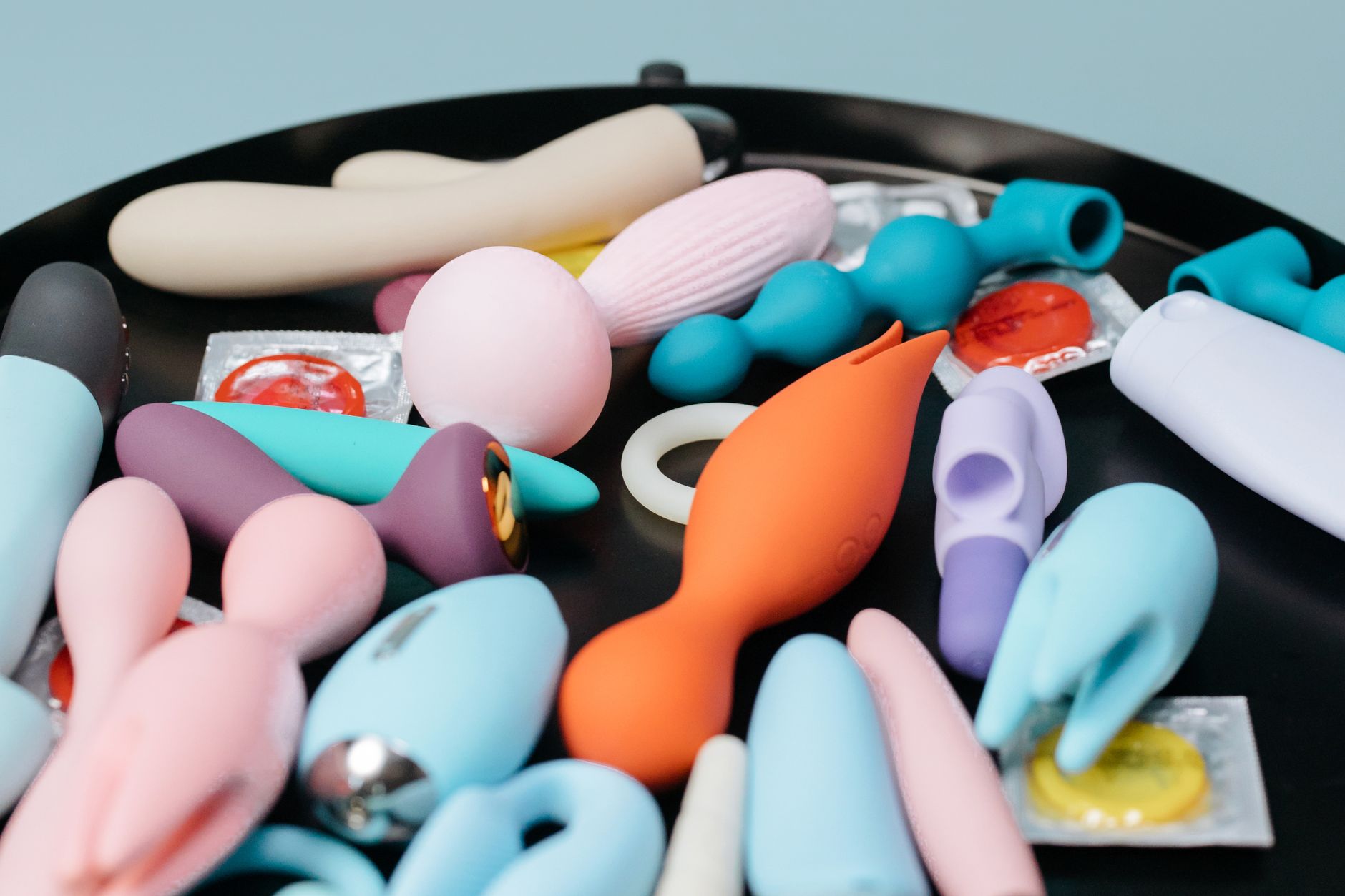
Lemon clitoral vibrators work differently. Suction-based stimulation activates a broader nerve network and creates a different type of sensation than vibration alone. For postpartum bodies specifically, this is useful because:
First, suction doesn't require you to be fully aroused for sensation to register. Friction-based toys often feel pointless when arousal is sluggish, but suction can actually help draw blood to the area and jumpstart the arousal process.
Second, the sensation feels less direct and intense on the tissue surface, which matters when you're healing. You're not trying to numb yourself or feel tough. You're trying to wake up sensation gently. Suction does that.
Third, lemon vibrators have adjustable settings. You can start at pattern 1 or 2 and work up slowly. No need to jump to maximum intensity.
The practical protocol for postpartum use
Don't start until week 8 to 12, minimum. I know doctors say week 6, but sensation recovery doesn't align with tissue healing timelines. Give yourself a few extra weeks to feel ready mentally.
When you're ready, start with solo exploration. Not because partnered sex is wrong, but because you need to know what your body feels like without performance anxiety. Set aside 20 to 30 minutes when you're alone, not tired, and not about to rush anywhere.
Begin at the lowest setting. Spend two to three minutes just observing what you feel. Is it numbness? Pressure? Tingle? Mild discomfort? This is data, not failure. Your job is to notice, not to chase an orgasm.
Gradually move up one setting if you want to. You might spend three to four sessions at setting 2 before moving to setting 3. There's no hurry. The goal is to rebuild your nervous system's ability to recognize pleasure signals, not to achieve anything.
Managing the mental side
Here's where I step in as a therapist. Postpartum reduced sensation comes packaged with other stuff: grief over your changed body, resentment about the time and energy babies demand, and sometimes real anxiety about whether you'll ever feel pleasure the same way again.
All of that is valid. And all of that can actually slow sensation recovery because your nervous system stays in a low-grade fight-or-flight state.
Before you touch a lemon vibrator, get curious about what's actually happening in your head. Are you using this to "fix" yourself because you feel broken? Or are you approaching this as a tool to explore what your body can do right now?
One mindset leads to frustration. The other leads to discovery.
If you have a partner, tell them exactly what's going on. "I'm rebuilding sensation. This might take weeks. It has nothing to do with how I feel about you." Then actually stick to solo exploration for at least two to three weeks before bringing them in. Your nervous system needs to know it's safe to feel before adding someone else's energy into the room.
When to pause and get help
If touching the area causes sharp pain (not pressure or mild discomfort, but actual sharp pain), stop and mention it to your OB/GYN. Some people develop nerve entrapment or scar tissue sensitivity that needs physical therapy.
If sensation hasn't begun returning by six months postpartum, that's worth mentioning to your doctor. It's usually fine and just takes longer, but it's good to rule out postpartum depression, thyroid issues, or medication side effects that slow recovery.
If arousal has completely disappeared and you're not interested in rebuilding it right now, that's also okay. Your job isn't to feel sexy on a timeline. If you're resentful about sex or touched out from parenting, that's a different conversation than sensation recovery, and it might be worth talking to a therapist who specializes in postpartum relationship shifts.
The honest part about partners
Many postpartum people feel pressure to resume sex because their partner is waiting, or because there's an assumption that "cleared for sex" means "ready for sex." It doesn't. Your body might be healed. Your desire might be at 30% of normal. Your sensation might be muffled. All three can be true at once, and all three are temporary.
If your partner is supportive, they can help by understanding that you're in recovery mode, not rejection mode. A lemon vibrator becomes a tool for both of you to use during foreplay, not something you hide because it seems like cheating. Many partners find that exploring sensation recovery together actually deepens intimacy because you're both curious about what works right now instead of what worked before.
If your partner isn't supportive, that's a bigger conversation. This is not the moment to fix relationship dynamics. This is the moment to protect your recovery.
You're not behind
Postpartum sensation recovery is one of the least discussed parts of birth recovery. Most conversations focus on bleeding, pain, and incision care. But sensation? Arousal? The fact that your clitoris might feel like it belongs to someone else right now? Those aren't failures. They're part of the process.
Three to six months from now, you'll likely feel dramatically different. Some people report that sensation becomes even more acute than it was before pregnancy, because the rebuild process rewires things in interesting ways. But right now, you're not behind. You're exactly where your body needs to be.
People also ask
How long does postpartum numbness usually last?
Most people notice significant improvement between three and six months postpartum. Some recover sensation faster, some slower, depending on whether they're breastfeeding, how much sleep they're getting, and how much physical or emotional stress is in their life. If it's been more than six months and you're still feeling muted, mention it to your doctor. Recovery can take longer and that's fine, but it's worth checking in.
Can I use a lemon vibrator if I'm still bleeding or have discharge?
Nope. Wait until bleeding and discharge have significantly decreased. Not because vibration causes infection, but because the environment down there is still actively healing and shedding tissue. You'll have a better experience and more accurate sensation feedback once things have settled. Usually that's around week six to eight, depending on your individual recovery.
Does using a lemon vibrator affect breastfeeding or milk supply?
No. Sexual response and orgasm don't change milk supply or the safety of breastfeeding. The oxytocin release from orgasm is actually the same hormone that helps milk letdown, so technically orgasm can feel more intense while breastfeeding. If touching yourself feels weird because your breasts are sensitive or being used for feeding, that's a separate comfort issue worth exploring with your partner or a therapist.
What if I feel pain instead of pleasure when I use a lemon vibrator postpartum?
Pain is information. Sharp pain means stop immediately and contact your doctor. Pressure or mild discomfort at low settings might just mean your tissue is still tender, and you should wait another week or two. But if pain persists or worsens, don't power through it. Postpartum pelvic floor physical therapy is excellent for this and can speed up recovery significantly.
Is it normal to feel disconnected from my body during postpartum sensation recovery?
Completely. Your body did something enormous and then was immediately needed for feeding and caregiving. Feeling like you're renting your body instead of living in it is incredibly common. This disconnection often eases as sensation returns and you reclaim your body as yours again. A lemon vibrator can actually help with this because it's pleasure-focused time where your body is just for you, not for anyone else.
When should I involve my partner in postpartum sensation exploration?
I usually recommend giving yourself two to three weeks of solo exploration first. That lets your nervous system know it's safe to feel without the added dynamic of someone else being present. Once you've noticed what sensations register and what doesn't, bringing a partner in can actually be really connecting. Make sure they understand you're exploring together, not performing. This is curiosity time, not show time.
Ready to explore
Postpartum recovery isn't linear and sensation rebuilding is part of that process. Your body didn't break. It changed. And with patience, the right tools, and curiosity instead of pressure, you can rebuild pleasure on your own timeline. That's what matters.