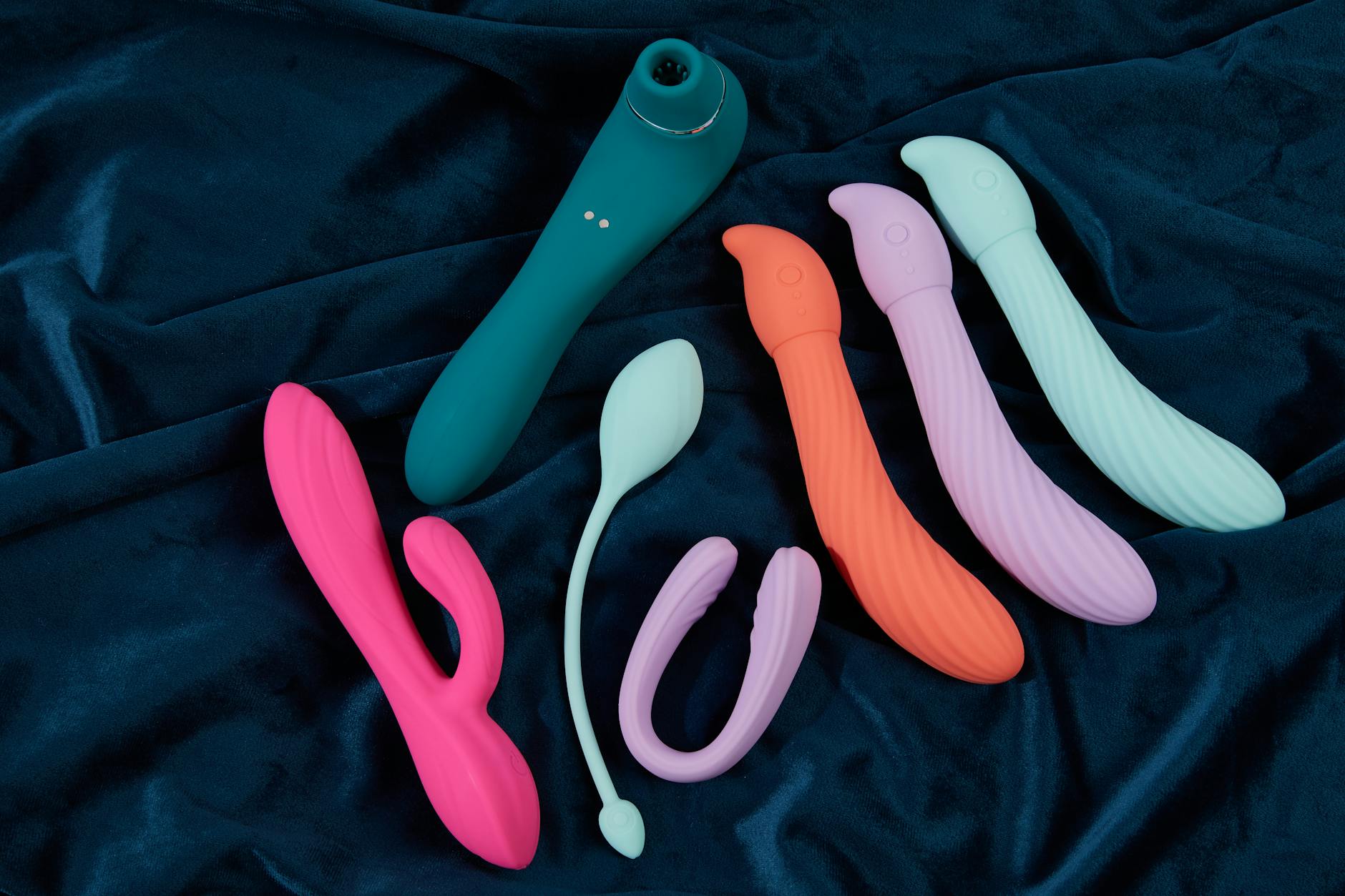
Here's what actually happens when couples explore together
Most couples never talk about using a lemon vibrator together. They just... do it. One partner mentions it in passing, or someone finds one in the nightstand, and there's a moment of silence that feels way longer than it is. That silence isn't rejection. It's usually just surprise mixed with curiosity.
The thing is, couples who integrate a clitoral vibrator like a lemon vibrator into their sex life don't report higher satisfaction because of the toy itself. They report it because something shifted in how they talk about pleasure. The toy became permission to ask "what actually feels good?" when maybe they'd been guessing for years.
That conversation is the whole point. The lemon vibrator is just the opener.
Why couples resist (and why it rarely matters)
There are three common blocks I see in my practice:
Block 1: "If they need it, am I not enough?" This one lives in the insecure space where pleasure becomes proof of desire. It doesn't work that way. A partner using a lemon vibrator during sex isn't a referendum on your technique. It's an instruction manual. Most people with vulvas need more intense or sustained stimulation than a partner's hand or body can deliver for 20 minutes straight. That's anatomy, not rejection.
Block 2: "Won't it be weird?" Maybe for 30 seconds. Then your brain adjusts because what's actually happening is that your partner is having a better orgasm, which most people find incredibly hot. Weirdness evaporates fast when the outcome is good.
Block 3: "I don't know how to bring it up." This is the one I can actually help with, and it's the subject of the next section.
What I don't see often is couples using lemon vibrators and regretting it. I see couples wishing they'd started sooner.
The low-pressure intro (the way that actually works)
Forget the "we should talk about our sex life" opener. That creates pressure on both sides. Instead, try one of these three approaches, depending on your dynamic.
Approach 1: The casual mention. You're in bed, things are moving along, and someone says, "I've been curious about trying a clitoral vibrator. Have you ever used one?" Not a proposal. A question. The response tells you everything. If they're open, you move to "want to try together sometime?" If they're hesitant, you drop it without drama. No high stakes.
Approach 2: The research frame. "I read that lemon vibrators work differently than regular vibrators because of suction. I'm curious what that feels like. Want to find out together?" This removes the "are you asking me to use this on you" anxiety by framing it as shared exploration. You're scientists, not one person asking the other to change something.
Approach 3: The desire framing. "I think watching you use one of those lemon vibrators would be really hot. Can we try it?" This one works if your partner feels desired. It's not "you need this." It's "I want this." Big difference.
Whichever approach fits your relationship, the key is that it's a question, not a plan. You're checking in, not announcing a decision.
What actually helps during the first time together
Okay, so you've both agreed to explore. Here's what I tell couples before they actually do it.
Start solo first. Seriously. Have the person with the vulva use the lemon vibrator alone for a session or two before involving a partner. Why? Because then there's no performance element the first time you're both present. You already know how it feels, what settings you like, what doesn't work. That knowledge kills the anxiety that kills arousal. When your partner is there the second or third time, you're not figuring out the toy. You're just enjoying it while they watch.
Position matters more than you'd think. If a partner is using the lemon vibrator on someone else, the angle changes what you feel. The receiving partner might need to guide it slightly. This isn't a problem. It's actually information. "A little higher" or "steady right there" isn't criticism. It's real-time feedback that most partners actually find hot because it means they're doing something that clearly works.
Start at low intensity. I know this sounds boring, but starting at pattern 1 or 2 on a lemon vibrator is different from going straight to 5. The receiving partner's nervous system hasn't ramped up yet. Building from low intensity actually extends the experience and makes the finale feel way better.
Talk after, not during. Once you're both finished, that's when you check in. "What felt good?" "Did anything feel off?" "Want to try that again?" You're not narrating in real time. You're reflecting after. That distinction keeps the experience sensual instead of clinical.
The partner who watches vs. the partner who uses it
Honestly, watching a partner use a lemon vibrator on themselves is intimate in a way a lot of couples don't expect. It's different from regular sex because you're not performing for each other. The receiving partner is focused inward. The watching partner gets to see genuine pleasure unfold without the normal back-and-forth choreography.
Some couples find that so vulnerable it deepens connection immediately. Others need a few sessions to feel comfortable with that dynamic. Both are normal.
What matters is that the partner who's watching understands their role: you're present, you're supportive, and you're not judging. If the receiving partner wants to rest between sessions, that's fine. If they want to try a different pattern, great. If they want to come with you inside them and using the lemon vibrator simultaneously, you adapt.
The watching partner isn't passive. You're actively engaged in their pleasure, just differently than you would be solo.
When a partner is resistant (the real talk)
Sometimes one partner is genuinely uncomfortable with the idea. Not nervous. Uncomfortable. There's a difference.
If that's your situation, it's worth asking why. Sometimes it's one of those three blocks I mentioned and a conversation clears it up. Sometimes it's deeper: a belief that good sex shouldn't require anything external, or shame about sexuality that isn't about your relationship. That stuff needs actual space to unpack, ideally with a therapist who specializes in couples work.
What I don't recommend is pushing. Resentment over a lemon vibrator is real and it's not worth it. But I do recommend not dropping the conversation entirely. "I really want to explore this together. What would make you more comfortable?" is different from "I need you to use this." One is collaborative. One is demanding.
Often the thing that shifts resistance is time plus trust. Someone who says no now might say yes in six months if they feel secure that you're not using this as a replacement for them, just as an addition to what you already have.
Making it a regular part of your intimacy
Once you've tried it once, the question becomes: how often? And does the novelty wear off?
With couples I work with, lemon vibrators tend to shift from "special occasion" to just part of the routine. Not every session, but regularly enough that it becomes normal. The novelty doesn't wear off because the experience itself changes. Maybe one month the receiving partner focuses on the intensity. Maybe next month it's about timing. The toy stays the same. The exploration doesn't.
What helps is treating it like any other part of your sex life. You don't narrate what you're doing constantly. You don't overthink it. You just fold it in.
People also ask
Q: Is it emasculating for a partner to use a lemon vibrator on me?
A: No. A lemon vibrator isn't a replacement for a partner. It's a tool that does one thing very well: sustained clitoral stimulation. A partner's touch, presence, and attention are still completely there. If anything, watching a partner use one skillfully is the opposite of emasculating for most people. It reads as attentive and invested in your pleasure.
Q: Should I ask my partner or just surprise them with it?
A: Ask. Surprises sound romantic until someone's taken aback mid-sex. A text message asking if they'd be open to exploring together is way hotter than springing it on them. It shows you're thinking about them and their comfort.
Q: What if we try it and it just doesn't work for us?
A: Then you stop using it. Seriously. Not everything lands, and that's fine. The win here is that you tried something together and communicated about it. That skill transfers to other parts of your relationship. The lemon vibrator was just the vehicle.
Q: Can a partner use a lemon vibrator on me if I'm nervous about penetration?
A: Yes. Clitoral vibrators don't require penetration. A lemon vibrator sits externally. If you're working through vaginismus or trauma or just don't want penetrative sex that day, this is actually a really good option because it keeps the focus on clitoral pleasure without pressure to do anything else.
Q: How do I know if a lemon vibrator is right for my relationship?
A: Curiosity is the only requirement. If you're both open to exploring and you trust each other enough to be honest about what feels good, it's worth trying. The worst case is that it doesn't work out. The best case is that you unlock a conversation about pleasure that changes your entire sex life.
Q: Is it weird to use a lemon clitoral vibrator if we're trying to conceive?
A: Not at all. Clitoral pleasure and orgasms can actually help with conception by increasing blood flow and muscle contractions. A lemon vibrator might even help you relax during the fertile window instead of treating sex like a task.
The real shift
Couples don't usually remember the lemon vibrator. They remember the conversation that happened because of it. They remember feeling seen by their partner. They remember asking what actually felt good instead of assuming. They remember laughing when something didn't work and trying something else instead.
That's the intimacy piece. The toy is just the excuse to build it.
If you're curious about trying a lemon clitoral vibrator with your partner, start with one of those low-pressure intros. See what happens. You might be surprised how quickly the weirdness dissolves and how quickly pleasure becomes the whole point.
For more on how to navigate intimacy shifts in your relationship, check out our guide on communicating with partners about pleasure. And if you want to understand what actually makes lemon vibrators feel different from other options, this breakdown of suction versus vibration is worth reading.
If you have questions about what might work best for your specific situation, reach out. We're here to help you figure out what feels right for you and your partner.