
Here's the thing about introducing toys to your partner
Most couples don't actually break up over a vibrator. They break up over the feeling that introducing one created. The toy itself is neutral. The conversation around it, though—that carries weight. How your partner hears it, what they assume it means about you or them or your relationship, whether it feels like collaboration or criticism. That's where the friction lives.
I've worked with hundreds of couples navigating this, and the ones who get it right don't do anything fancy. They just do three things: they're honest about timing, they remove the subtext, and they frame it as exploration, not correction.
Why you're hesitating, and why that's normal
The fear is usually one of these: "They'll think I'm not satisfied." "They'll feel replaced." "It will kill the mood or the intimacy." "If I suggest this, they might suggest something I'm not ready for."
All of this is rooted in one underlying thing—you're worried the conversation will expose a gap in what you want versus what you're getting. And honestly? It might. But that gap already exists. The vibrator doesn't create it. Not talking about it just means you're both pretending everything fits when it doesn't.
Introducing a lemon clitoral vibrator—or any toy—is actually an invitation to communication. It's saying: "I want to feel good with you. I want to know what makes you feel good. I want to try things together." That's not weakness. That's intimacy work.
The timing frame that actually works
Don't bring this up mid-conflict, right after sex when hormones are settling, or when you're already stressed about something unrelated. The best moment is calm, clothed, and outside the bedroom—maybe over coffee, on a walk, or during one of those quiet evenings when you're already talking about other stuff.
The timing shouldn't feel ceremonial. You don't need to sit them down for a serious talk. You need to pick a moment when you're already in conversation mode and vulnerability feels natural.
Here's the thing: if you've been together long enough to consider bringing a toy into your sex life, you've probably already had conversations about what feels good, what doesn't, what you both want. Use that baseline. Don't treat this like the first honest thing you've ever said to them.
The script that works (with variations for your relationship)
You don't need fancy language. You need clarity and lightness. Here are three versions. Pick the one closest to how you actually talk.
Version 1 (Direct and curious): "I've been thinking about trying something. There's this clitoral vibrator I've been reading about—lemon sucker style—and I think it could feel really good. Would you be open to exploring it together?"
Version 2 (Soft opener, more vulnerable): "I want to tell you something and I'm a little nervous about it. I've been curious about using a vibrator with you, not instead of you. I think it could add something to what we're already doing. How do you feel about that?"
Version 3 (Casual, for partners with already-playful banter): "Okay, weird question. Would you ever be into using a lemon clitoral vibrator together? I'm genuinely asking. No pressure either way."
What all three have in common: you're naming the thing directly, you're expressing openness to their reaction, and you're framing it as collaborative (together, with you, exploring).
What they don't do: apologize for wanting pleasure. Soften your sentence so much it becomes unclear. Ask permission like you're a teenager sneaking out.
What to say if they panic or shut down
Their initial reaction might not be their final one. People need time to process. If they say something like "I don't know, that feels weird," here's what actually helps:
Don't defend the vibrator. Address the feeling. "I get that it feels unexpected. Want to talk about what's coming up for you?" That invitation to be vulnerable often opens them up more than a logical argument ever will.
If they're worried you're not satisfied, say this directly: "I am satisfied with you. This isn't about you being not enough. It's about both of us exploring what else feels good. Would you want to try something different that I could use on you, or would you rather just be part of it?"
If they're worried they'll be replaced, remind them how a lemon vibrator actually works. It's not a penis substitute. It's a way to stimulate the clitoris in ways fingers can't. It's not doing their job. It's adding to what's already happening. Sometimes concrete detail helps more than reassurance.
How to actually introduce it during sex
Once you've both agreed to try it, the execution matters too. Don't just spring it at the last second. Bring it out early enough in foreplay that either of you can change your minds without it being awkward. Say something simple: "I brought that vibrator we talked about. Want to try it?"
Start on the lowest setting. Let them watch. Narrate what feels good in real time. "This feels amazing." Not because you're performing, but because feedback helps them understand what's happening. For clitoral vibrators like a lemon clitoral toy, the suction sensation is usually less intense than vibration, so it often works well for people who find direct vibration overwhelming.
Let them control it. Hand it to them after a minute or two. Most partners feel way less threatened when they're the one holding it—it shifts from "third party" to "we're doing this together."
If something doesn't work, don't spiral. "That's not quite hitting the spot, can we try a different angle?" Pivot. Move on. Sex should be able to accommodate small technical adjustments without becoming a whole thing.
What to do if it goes sideways
Maybe you try it and it feels weird for both of you. That's fine. Not every tool works for every couple or every body. You tried it together. That's the win.
Maybe it goes great and then he starts wanting to use it every single time. You might need to have a follow-up conversation: "I love that you're into this, and I also want variety. Can we use it, say, twice a week?" Compromise is normal.
Maybe your partner suggests something you're not interested in, and you both realize this opened a door to a larger conversation about what you each actually want. That's not a disaster. That's a couple getting to know each other better.
The longer game
Introducing a toy isn't about the toy. It's about practice. Practice saying what you want without shame. Practice hearing your partner say what they want without defensiveness. Practice staying curious about each other's bodies and pleasure instead of assuming you already know.
Most long-term couples hit a point where sex becomes predictable. Not bad, just... expected. Rote. When you introduce something new—whether it's a lemon vibrator, a different position, or just talking about fantasy—you're breaking that pattern. You're saying: "I still want to discover things with you." That matters more than whatever toy you're holding.
If you need help with the deeper relational piece, or if you're navigating mismatched desires around pleasure, that's exactly what conversations about toys can open up. Get curious. Ask questions. Let your partner surprise you.
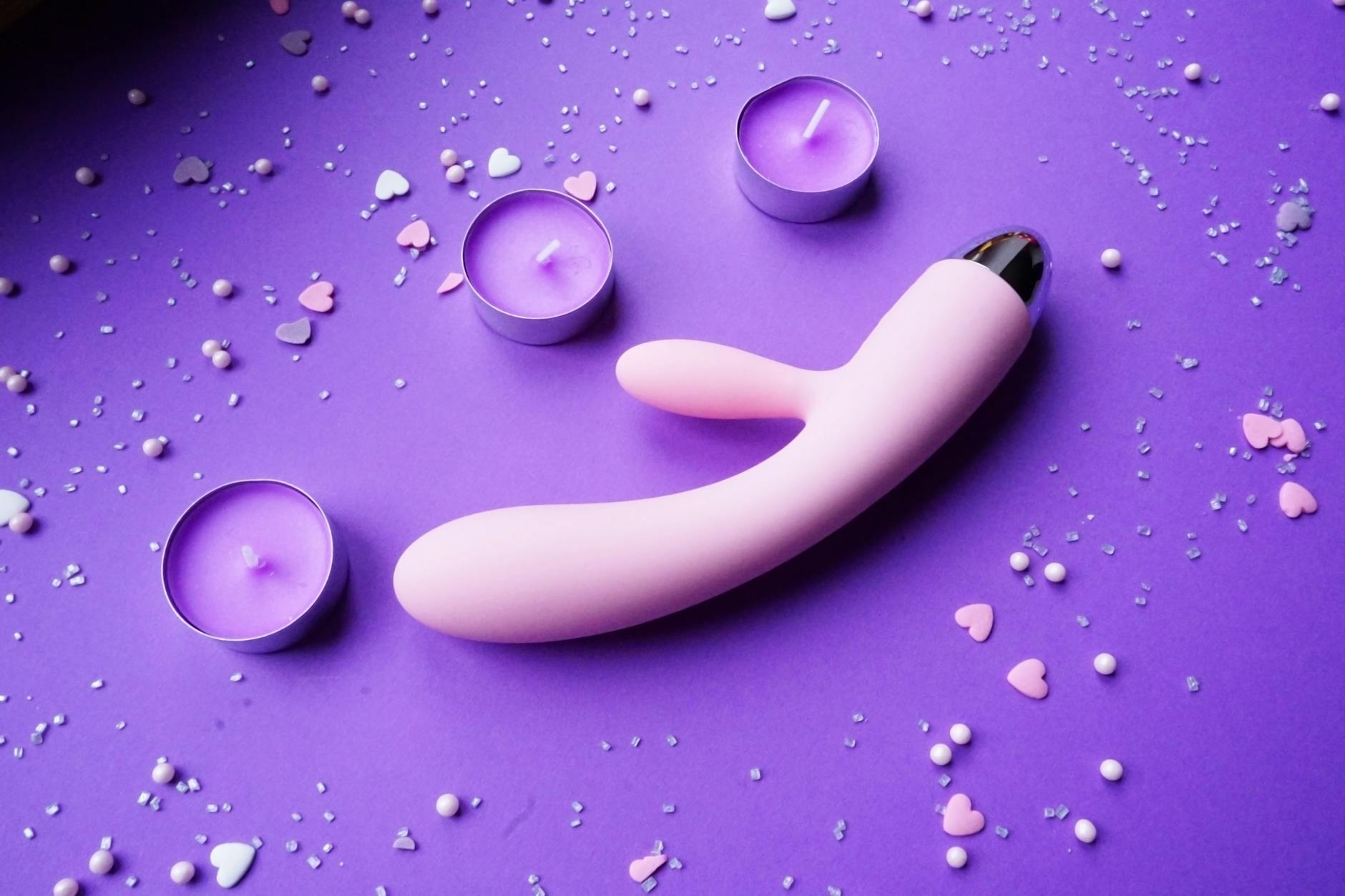
Photo by FounderTips . on Pexels
FAQ: Real questions couples ask
Will using a vibrator with my partner make them feel inadequate?
Not if you frame it right. The shift happens when they understand that a lemon clitoral vibrator stimulates the clitoris in a way that's neurologically different from what hands or a penis can do. It's not replacement. It's addition. A partner who feels included in choosing it, holding it, and watching what it does usually feels connected, not threatened. The inadequacy feeling usually comes from poor communication beforehand, not from the toy itself.
How do I bring up using a toy if we've never talked about sex directly before?
Start smaller. Bring up something sex-adjacent first—a favorite position, what you like about certain kinds of touching, what you think about during sex. Let those conversations happen without stakes. Then: "There's something else I've been curious about." Build from conversation, not from silence. If you've never discussed sex, a vibrator conversation is harder. Do the groundwork first.
What if my partner wants to use a toy on me but I'm nervous?
Trust matters here. You can say yes to the conversation and no to the specific act. "I like the idea of us exploring together, but I'm not ready for that particular thing. Can we start with me using it on myself while you're there?" Compromise. Slow down. You don't have to do everything at once. Hello Nancy offers products from entry-level suction toys to more intense vibrators. Start where you feel comfortable.
Should I use a lemon clitoral vibrator during sex with penetration or separately?
Both work. Some couples use it during penetration for blended stimulation. Some prefer foreplay or use it after. There's no rule. Talk about what appeals to both of you. Combine it with what already works. If clitoral stimulation during penetration has been hard to achieve, a lemon sucker can make that possible in new ways.
How do I know if my partner actually wants to use a vibrator or is just agreeing to make me happy?
Pay attention to their energy afterward. Do they seem genuinely interested in trying it again? Do they ask questions about it? Or do they seem relieved when it's over? You can also ask directly: "Did that feel good for you or was it more for me?" That question often gets honest answers. If it was just for you, that's data. You can decide together whether to keep exploring.
Is there a specific type of lemon vibrator that works better for couples?
Lemon clitoral vibrators like the Lem work well because they're quiet, manageable, and don't require sustained penetration—so they're easy to incorporate into partnered sex. The suction sensation also feels distinct enough that partners don't feel replaced. Air-pulse toys tend to be less intimidating for couples exploring together than high-intensity vibrators. Start with something mid-range and see what the two of you connect with.
The real takeaway
Introducing a vibrator to your partnership is actually an opening. It's a chance to talk about pleasure without shame, to ask your partner what they want, to say what you want, and to remember that curiosity is part of long-term intimacy. You're not fixing a broken sex life. You're choosing to keep discovering each other. That's the whole point.
If you and your partner are working through deeper relational issues around intimacy, desire, or communication, those conversations are worth having with support. Reach out if you'd like to talk through it.