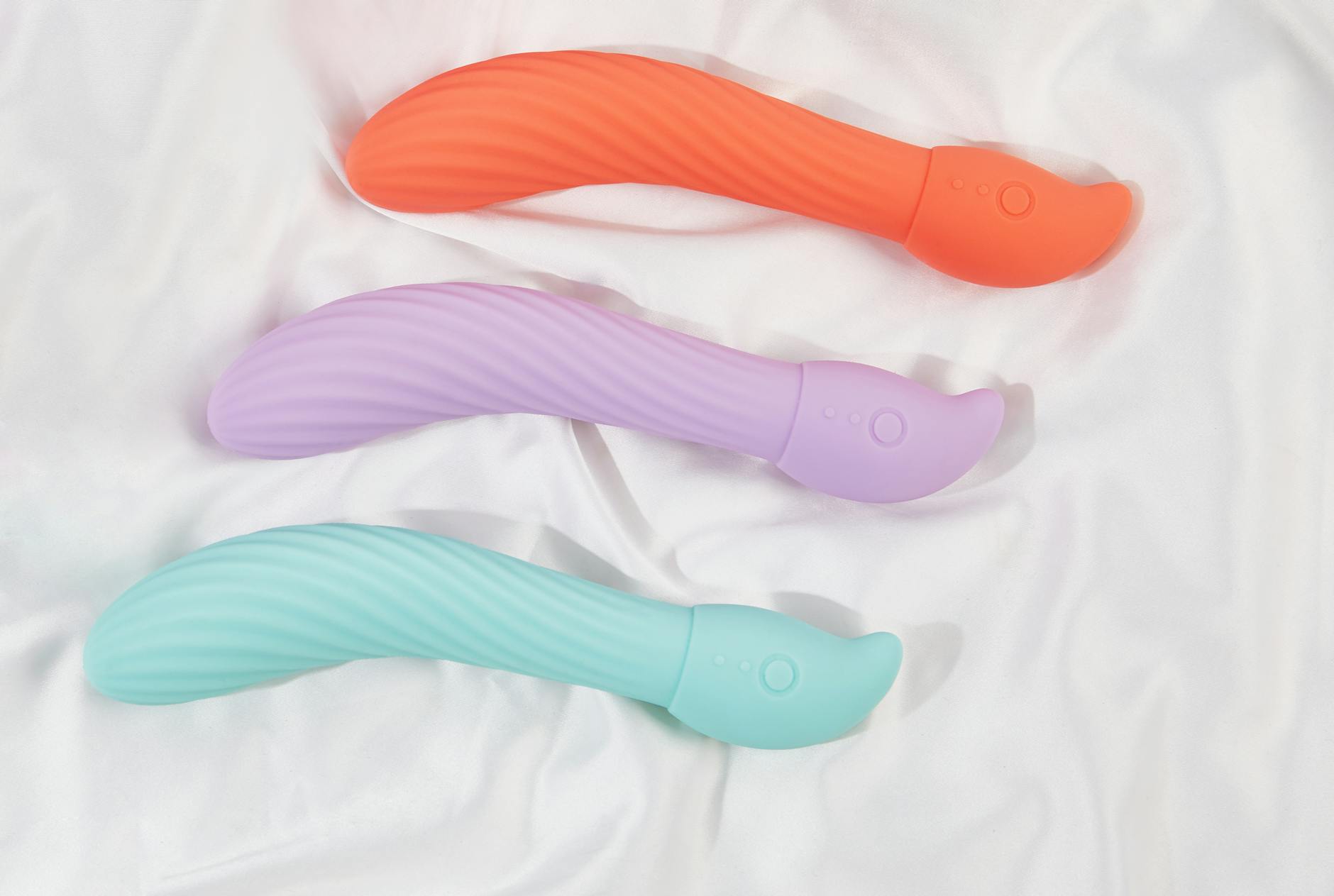
The long-distance intimacy paradox
Let's be real. Long-distance relationships don't fail because of the miles. They fail because the intimacy does. When you can't touch your partner, it's easy to convince yourself that sexual connection becomes impossible. And then you stop trying. And then you start feeling disconnected in ways that have nothing to do with geography.
The truth is weirder and better: distance can actually deepen intimacy if you're intentional about it.
A lemon vibrator changes this equation entirely. Here's why couples are using them, how to do it without awkwardness, and what research shows about shared pleasure when you're apart.
Why long-distance couples avoid sexual connection (and why that backfires)
I see this pattern constantly in my practice. One partner mentions trying something together remotely. The other panics. Conversation ends. Three months later, they're texting about logistics and nothing else.
The barriers are real. Vulnerability feels worse when you can't hold each other afterward. Technology feels clunky. There's shame attached to it. You worry your partner will judge you. You're already missing the physical closeness, so why tease yourselves with a substitute that will only highlight what you don't have.
All fair. All also exactly backward.
Research on long-distance couples shows that partners who maintain sexual and sensual connection have higher relationship satisfaction, better communication overall, and lower anxiety about the separation. It's not because video sex is amazing. It's because shared pleasure, even at a distance, requires vulnerability, communication, and a kind of presence that rebuilds intimacy faster than a thousand phone calls.
A lemon vibrator specifically makes this easier because it's designed around sensation rather than performance. There's no pressure to "do it right." You're both just exploring what feels good.
Starting the conversation without it being weird
Okay, so how do you actually bring this up.
Don't frame it as a substitute for in-person sex. That sets everyone up for disappointment. Instead, frame it as adding something to what you already have. "I've been thinking about ways we could feel closer between visits. Would you be interested in exploring that together."
If your partner's hesitant, ask specifically what the hesitation is. Is it the vulnerability. The technology. The fear it won't feel good. Each concern has a different solution.
Then send them this article. Seriously. Sometimes it's easier to have someone else say "this is normal and good" than to convince your partner yourself.
The technical setup that actually works
You don't need anything fancy. Here's what couples tell me they use:
Video call (audio or video). FaceTime, WhatsApp, Discord, whatever you already use. You don't have to be visible if you don't want to be. Audio alone is fine. Some couples keep it audio-only for the first few times.
Privacy on both ends. This matters more than anything else. Locked door, headphones, phone on silent. You can't relax into pleasure if you're worried about interruptions.
A lemon vibrator or your own toy. A lemon clitoral vibrator is designed specifically for pleasure without performance. It's intuitive. The suction pattern means you can stay in the moment instead of adjusting angles or intensity constantly. Start on a lower setting and take your time.
Lube. Always. Even if you think you don't need it. Water-based, kept nearby.
That's it. No expensive gadgets that sync (honestly, they're usually terrible). No role-play props. Just you, your partner, intentionality, and a tool that works.
What actually happens (and what usually surprises couples)
Most couples expect awkwardness. What they describe afterward is something closer to intimacy.
You're not performing for each other. You're exploring what feels good in real time. You hear each other breathe. You respond to each other's sounds and movements. There's a level of presence in that which is actually rare in partnered sex, especially after you've been together a while.
One partner often discovers something about their own body they didn't know before. "Oh, so that setting actually feels amazing." Or they realize how much they enjoy being watched while they're vulnerable. Or they find out their partner gets turned on by a completely different thing than they expected.
Then they hang up. And they're texting about it the next day. And suddenly they're talking about their bodies again. And when they're physically together next, the sex is different. Better. Because you've already told each other what you want.
Building anticipation across the distance
Here's the thing no one talks about: anticipation is its own form of intimacy.
Start planning it together. "Thursday night, 8 PM. I want you to tell me what you're going to use." You build desire just through the conversation. By the time you actually connect, you're already aroused.
Some couples like to watch each other during the day leading up to it. A photo, a voice message, a single sentence about what they're thinking about. You're creating a thread of connection that makes the actual session feel less isolated.
Others prefer to stay completely separate until the call. No buildup, just "let's do this." Different couples will prefer different rhythms. The point is that you get to choose. That choice, that intentionality, is where the intimacy lives.
Managing disappointment and mismatched expectations
Sometimes the first time is awkward. Someone feels self-conscious. The technology glitches. The mood breaks. This is completely normal and does not mean you shouldn't try again.
Talk about what made you uncomfortable. Was it the visibility. The timing. The position you were in. The fact that you couldn't touch each other. Solve for the specific barrier, not the whole thing.
If you're interested in using a lemon vibrator and your partner isn't ready yet, that's also fine. Some couples start with just conversation and touch (to themselves) while on a call together. Some start with audio only. Some wait until they're in the same city again.
The timeline belongs to both of you. Pressure kills the whole thing. Trust each other's "not yet." It usually becomes "yes" when the fear dissolves.
When to deepen it further
After you've done this a few times, you'll know what you want more of. Some couples discover they prefer a certain pattern. Some want to incorporate role-play or fantasy talk. Some find that the lemon vibrator hits differently for them specifically. "Let me know exactly what you're feeling. Describe it to me."
You've already crossed the vulnerability threshold. Everything else is just refinement.
If you're curious about how sensation works and what different tools offer, our full guide covers the landscape. How to use a lemon clitoral vibrator walks through settings and pacing for anyone new to it.
The relationship payoff is bigger than the sex
Here's what I see happen in my practice consistently: couples who maintain shared pleasure across distance have an easier time with all the other hard parts.
You've practiced vulnerability. You've practiced saying what you want. You've practiced trusting each other with something that matters. Those skills transfer to every conversation. Money, family, future plans, fears, boundaries. By the time you're having those conversations, you've already practiced being honest about intimacy. The rest feels possible.
Long-distance is hard. Sexual connection across distance is one of the most honest ways to fight for your relationship while you're apart. A lemon vibrator isn't a substitute for being in the same city. It's a way of saying, "I'm still here. I still want you. I'm still choosing this."
That message, sent over and over, builds something real.
Frequently asked questions about long-distance intimacy and lemon vibrators
Can you sync a lemon vibrator with your partner remotely?
Not with most lemon vibrators. The newer app-controlled toys promise this, but couples often find them glitchy and distracting. The point isn't synchronized sensation. It's synchronized presence. You're both there, at the same time, sharing the moment. That connection is what matters, not whether your vibrations are timed exactly.
What if one partner wants this and the other doesn't?
Respect that. Your partner's comfort is non-negotiable. Instead, ask what they would feel comfortable with. Maybe video isn't okay yet, but audio is. Maybe phone sex feels right before adding a toy. Maybe they need more time. Honor the "not yet," and the pressure often dissolves on its own once they feel safe.
Is this less satisfying than in-person sex?
Different, not less. You can't hug each other afterward. You can't fall asleep together. You can't do the casual touch that comes after. What you do get is radical presence and intentionality. You're not half-listening while thinking about work. You're completely focused on pleasure and connection. Most couples describe it as more intimate, not less.
How often do long-distance couples do this?
It varies wildly. Some do it weekly. Some monthly. Some every visit, as part of the goodbye ritual. There's no "should." What matters is that you're choosing it together and it feels good. The frequency will shift as your relationship evolves and as your separation arrangements change.
What if we're not ready for something this vulnerable yet?
Then you're not ready, and that's completely fine. Build slowly. Start with conversation about what you want. Move to phone sex without toys. Add a toy when it feels right. You get to set your own pace. The goal isn't to hit some benchmark of long-distance sexuality. The goal is to stay connected in ways that feel safe and honest for both of you.
Can a lemon vibrator actually help with the emotional side of missing someone?
Not in itself, no. But shared pleasure can. When you're missing someone, the body aches for connection. A lemon vibrator can help you feel physically present with your partner in a way that's soothing and grounding. It's not therapy. It's a tool for intimacy. And intimacy, over distance, genuinely does ease the loneliness.
The bottom line
Long-distance relationships don't fail because of miles. They fail because people stop trying to stay close. Maintaining sexual and sensual connection, even imperfectly, is one of the most powerful ways to fight for your relationship while you're apart. A lemon vibrator can make that easier. But the real work is the conversation, the vulnerability, and the choice to keep choosing each other.
If you're curious about how to communicate about pleasure more broadly with your partner, how to use a lemon vibrator with your partner without feeling awkward walks through communication strategies that work even when you're in the same room.