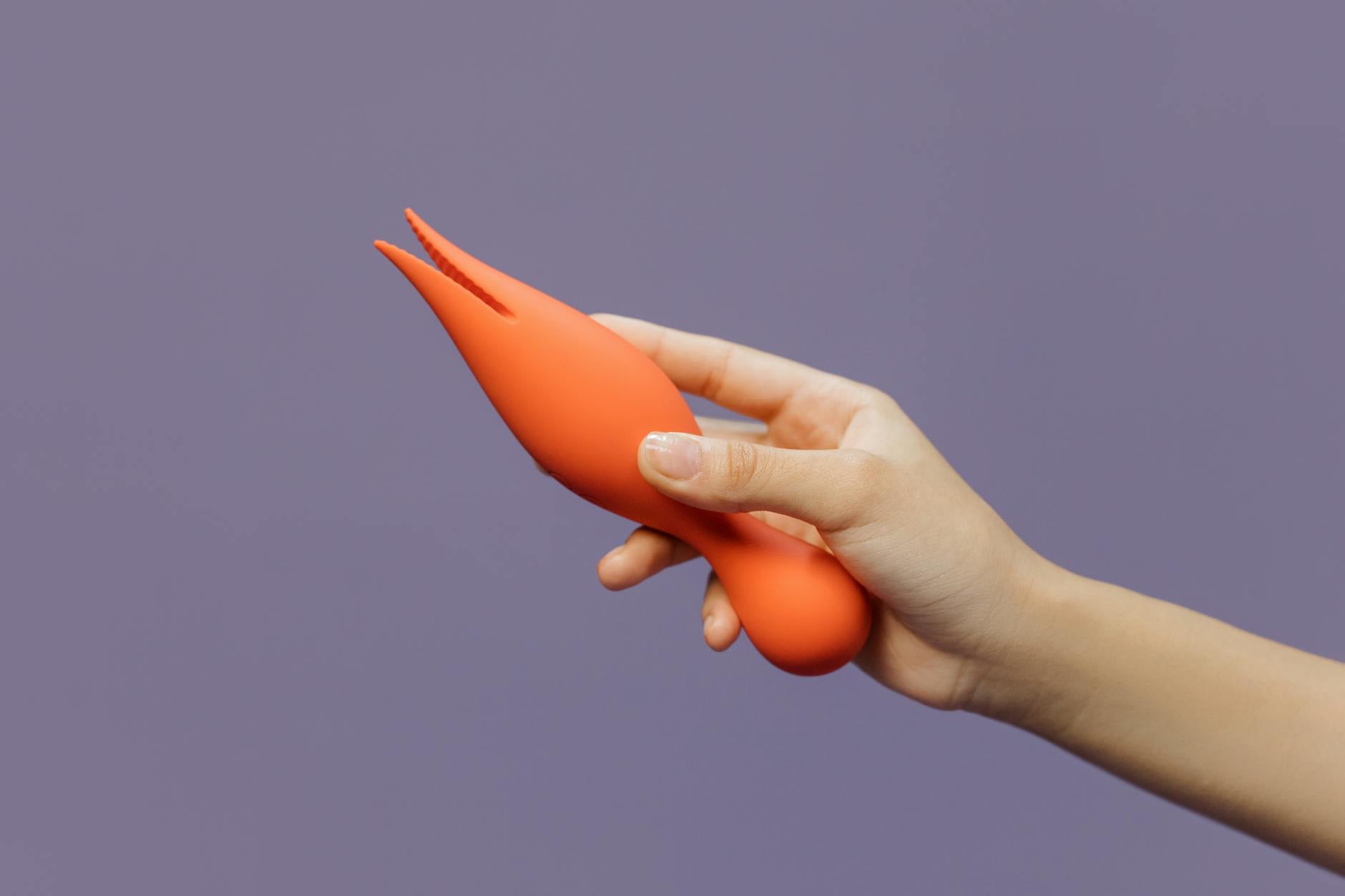
Lemon Vibrator for Postpartum Recovery: When and How to Safely Restart Intimacy
Let's be real. Nobody hands you a timeline when you leave the hospital. You get instructions about bleeding, stitches, and rest, but the conversation about sex, pleasure, and when your body is actually ready? That usually gets skipped.
I work with couples navigating postpartum life constantly, and the frustration is always the same. The physical healing is one thing. The emotional permission to even want pleasure again is another. And figuring out whether tools like a lemon clitoral vibrator are safe during recovery feels way more complicated than it should be.
Here's what actually happens, when it's safe to restart, and how to use that time to reconnect with your own pleasure instead of just checking a box on someone else's timeline.
The postpartum healing timeline matters more than you think
Your body doesn't just snap back after birth. Whether you delivered vaginally or via cesarean, tissue is healing, hormones are shifting, and your nervous system is in survival mode.
Vaginal delivery brings tears, stretching, and swelling that can last weeks. Cesarean birth means a surgical incision through seven layers of tissue, which takes at least 6-8 weeks just to close on the surface (internal healing takes months). Tearing severity changes everything, too. A small first-degree tear is different from a third or fourth-degree tear, which can take twice as long to heal.
The standard medical clearance is six weeks. But "medically cleared" doesn't mean comfortable. It means bleeding has mostly stopped and infection risk is low. Comfort and readiness are totally different conversations, and that's where most partners get confused.
When is it actually safe to use lemon vibrators postpartum
Honestly, this depends on three things: the type of delivery, the extent of tearing or incisions, and how your specific body is healing.
For vaginal delivery without significant tearing: around six weeks is when gentle stimulation might feel okay, but even then, proceed with caution. Your tissues are still fragile. Swelling might still be present. Nerve sensitivity is heightened because of inflammation, which can make touch feel either incredible or unbearably intense.
For significant tears (third or fourth degree) or episiotomy: I recommend waiting closer to eight to twelve weeks before introducing any vibration at all. These injuries affect deeper tissue and can create sensitivity that lasts longer than the surface healing suggests.
For cesarean delivery: the six-week mark is about external healing. Internal adhesions can be tender for months. If you're still experiencing pain around the incision site, wait longer. Pain is information. Listen to it.
The real move is to get individual clearance from your OB-GYN. Not just "cleared for sex," but specifically ask: "Is it safe to use vibrators?" The answer might surprise you. Some providers say yes at six weeks. Others recommend waiting until the twelve-week mark. That conversation matters.
Starting slow doesn't mean boring
When you do restart, a lemon clitoral vibrator actually has real advantages over penetrative sex. It's external, which means you're not navigating any internal healing or pressure on tender areas. The suction mechanism of a lemon vibrator is gentler than direct vibration for post-delivery tissue that's still finding its way back to normal sensitivity.
Here's how I recommend easing back in:
First sessions should be about self-exploration, not partnered sex. Your body has changed. Your pleasure map has shifted. Hormones are different, especially if you're breastfeeding. Taking time alone to understand what feels good now, rather than what felt good before, is not selfish. It's practical.
Start on the lowest setting. This is not the time for intensity. The Lem and other lemon adult toys have adjustable patterns specifically for this. Your tissue doesn't need a workout. It needs gentle reintroduction.
Use water-based lubricant. Postpartum bodies often run drier, especially if you're nursing. It's not a sign something's wrong. It's a sign your hormones are still resetting. Lubrication makes everything feel better and safer.
Keep sessions short. Fifteen to twenty minutes maximum at first. You're checking in with your body, not training for an endurance event. If something feels off, stop. There's no prize for pushing through.
The emotional piece is harder than the physical piece
Here's what nobody tells you: restarting pleasure after birth is as much about mental permission as it is about physical healing. You've been in caretaking mode. Your body has been a feeding station, a comfort object, a mobile sleep station. The idea of using that same body for your own sensation can feel weird, guilty, or just completely off the radar.
I've worked with plenty of partners where one person is ready to restart sex and the other is nowhere near it. The postpartum person feels pressure. The other person feels rejected. Both feel isolated. And the conversation about whether a lemon sexual toy or penetrative sex is even on the table gets completely lost.
Here's what actually helps: separate the conversations. "My body is healing" is different from "I want us to reconnect." "I need sleep" is different from "I don't desire you." Lumping them together turns the bedroom into a guilt factory.
If you're the postpartum partner, give yourself permission to want pleasure for yourself first. Not as a gift to your partner. Not as proof that you're "back to normal." For you. If that means solo time with a lemon clitoral vibrator while your partner takes the baby for an hour, that's not selfish. That's maintenance.
If you're the partner, understand that physical readiness and emotional readiness are on completely different timelines. You can be medically cleared and still need another month before you want to be touched. That's normal, and it's not personal.
Common postpartum sensations that might surprise you
Pain during or after stimulation. This is not normal and shouldn't be ignored. If you're feeling sharp pain, throbbing that lasts hours afterward, or pain that's getting worse instead of better, stop and check in with your provider. Infection, adhesions, or incomplete healing could be happening.
Numbing or reduced sensation. Postpartum nerve sensitivity is real. You might feel almost nothing where you expected to feel a lot. This usually resolves over weeks or months, but it's unsettling. That's normal too.
Intense sensitivity. The opposite problem. Everything feels too much, too fast, too sharp. This often improves as inflammation decreases and your body regulates hormones. Time is your friend here, not intensity.
Weird emotional responses. You start using a lemon vibrator and suddenly feel tearful, or flooded with memories of the birth, or just completely shut down. Your nervous system is still in recovery mode. Pleasure activates the parasympathetic nervous system, which sometimes releases stored emotion. This is healing, even when it feels awkward.
When to involve your partner
There's no rush. Genuinely. Medical clearance doesn't equal readiness for partnered sex. You can spend two, three, even four months exploring solo pleasure while your body finishes healing and your mind finishes adjusting to postpartum life. That time alone is valuable, not something to rush through.
When you do involve a partner, communication is everything. Let them know what you're discovering about your body. Tell them what feels good now and what doesn't. If lemon clitoral vibrators are part of your new routine, that's information they should have, not something to hide. And honestly, many couples find that integrating toys into postpartum intimacy takes pressure off penetrative sex while you're still healing.
The six-month mark shifts something
Around six months postpartum, most bodies have made significant progress. Internal healing is further along. Hormones are stabilizing (unless you're exclusively breastfeeding, in which case it takes longer). Scar tissue is softening. This is usually when pleasure starts feeling more like it used to, not like a thing you're carefully managing.
That doesn't mean you're suddenly back to pre-pregnancy desire or sensation. That can take a year or longer, especially around breastfeeding and sleep deprivation. But at six months, most people feel like they're moving toward normal rather than white-knuckling through recovery.
This is also when many couples find that the physical rhythm they settle into during recovery becomes the new normal. If you've spent three months discovering that you love using a lemon sexual toy solo, or that you prefer slow, gentle connection without penetration, or that you need noise canceling headphones and a locked door to feel sexy, those discoveries stick. Honor them instead of assuming you'll "go back" to how things were.
What helps most
One conversation with your provider about your specific healing timeline. One realistic conversation with your partner about expectations and timelines. One commitment to exploring your own body's new normal before jumping back into partnered sex. And if a lemon clitoral vibrator is part of that exploration, use it without guilt.
Your pleasure matters. It also doesn't come before your healing. Finding that balance is the real work.
People also ask
Is it safe to use a lemon vibrator if I had an episiotomy?
Wait until at least eight weeks postpartum, and ideally get specific clearance from your OB-GYN. An episiotomy is a surgical cut, and the tissue needs time to heal properly. Starting with visual inspection is helpful too. If the incision site is still red, swollen, or tender to touch, it's not ready for vibration. When you do start, use the lowest setting on your lemon adult toy and go slowly.
Can I use lemon clitoral vibrators while breastfeeding?
Yes, but understand that breastfeeding suppresses estrogen, which often means lower natural lubrication and potentially different sensation. Hormones affect pleasure more than most people realize. You might feel less interested in stimulation, need more time to build arousal, or notice that sensation returns to baseline once you wean. This is temporary and completely normal. Use extra lubricant if you need it.
What if I don't feel interested in pleasure yet?
You might not feel interested for six months, a year, or longer. That's not unusual, especially if you're sleep-deprived, dealing with postpartum anxiety or depression, or just completely touched out from constant caregiving. Pleasure is the last thing your body prioritizes when you're in survival mode. If lack of desire is bothering you or your relationship, talk to your provider. Sometimes it's hormonal. Sometimes it's circumstantial. Either way, it's worth addressing if it's causing friction.
Can lemon vibrators help with postpartum depression or anxiety?
Pleasure activates your parasympathetic nervous system, which can ease anxiety and help with mood. But it's not a treatment for postpartum mood disorders. If you're experiencing symptoms of depression or anxiety, you need professional support alongside anything else you're doing for pleasure or self-care. A vibrator is not a replacement for therapy or medical care.
Should my partner be involved in choosing a lemon vibrator for postpartum use?
That's entirely up to you. Some people find it sexy to choose together. Others prefer to explore alone first. There's no right answer. What matters is that you're choosing for yourself, not because you feel pressure to restart things. If you do involve them, make it clear that this is about your comfort and healing, not about meeting their needs or proving you're "back to normal."
How do I know if pain during postpartum stimulation is normal or a sign something's wrong?
Sharp pain, pain that gets worse after, or pain that lasts hours is not normal. Mild discomfort that improves over subsequent weeks as you keep gently exploring is more normal. But trust your body. If something doesn't feel right, it probably isn't. Get it checked out rather than pushing through.
Postpartum recovery is not a sprint. Your body knows what it needs if you give yourself permission to listen. That might mean taking months before pleasure feels good again. It might mean discovering that your pleasure looks completely different now. It might mean realizing you need more support, more rest, or more communication with your partner before anything else comes back online.
Whatever your timeline is, it's the right one. Let it be what it is.