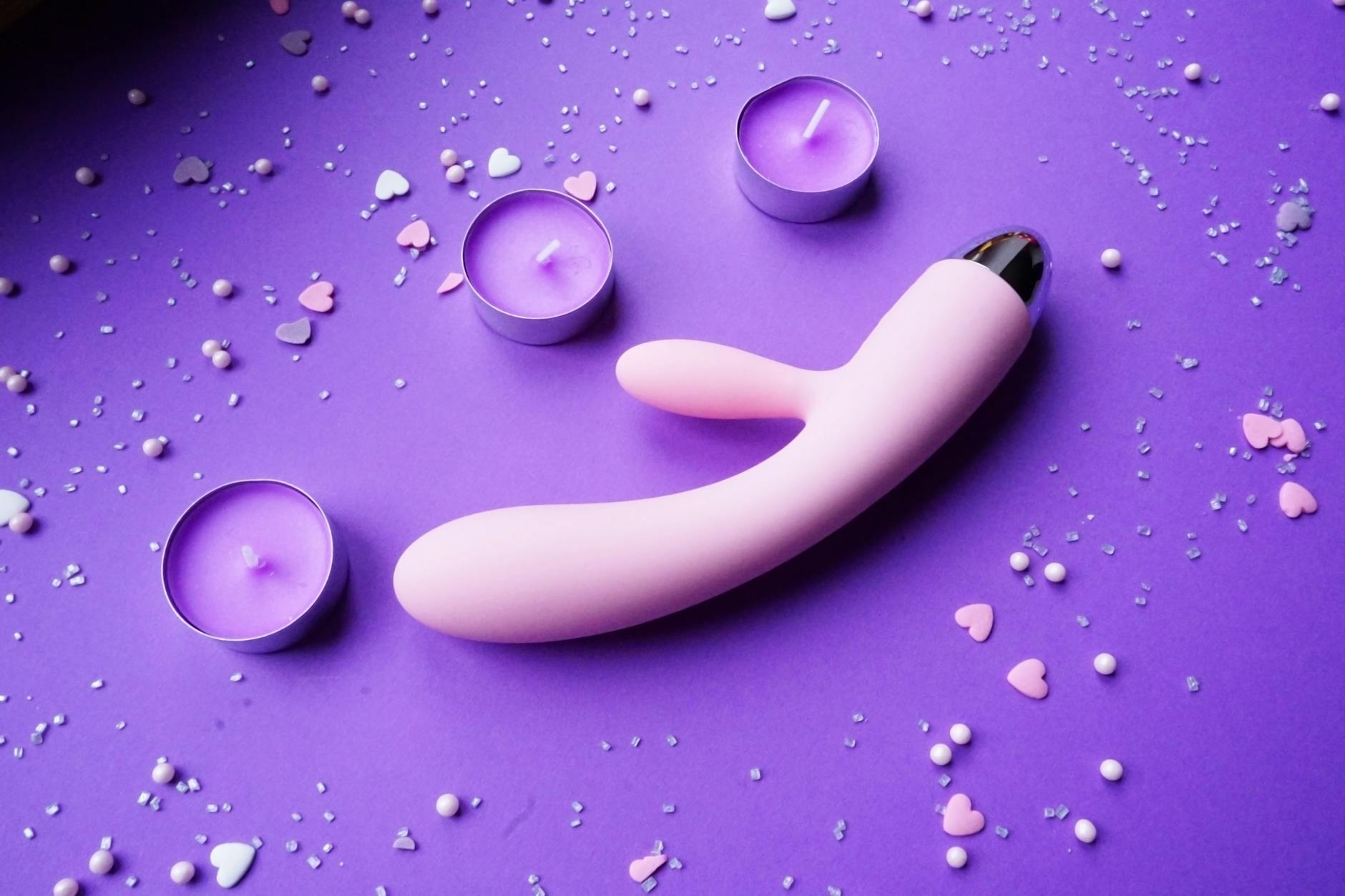
Let's start with the friction problem
If you've ever felt discomfort with a traditional vibrator, you're not alone. And here's the thing: it's probably not you. It's the technology.
Most vibrators work by oscillating side to side at high speeds. That motion creates friction against delicate tissue. For people with sensitive skin, lichen sclerosus, vulvodynia, or even just reactive skin, that friction compounds the problem. Add in anything from moisture imbalance to recent laser treatments, and traditional vibration becomes counterproductive.
Lemon vibrators solve this differently. They use air-suction technology, which means there's no friction at all. Instead of rubbing, they create gentle suction pulses that stimulate nerve endings directly. It's a fundamentally different sensation, and for sensitive skin, it's often the difference between pain and pleasure.
How air-suction technology actually works
The Lem vibrator and other lemon clitoral vibrators operate on a principle borrowed from medical-grade suction devices. A small chamber creates rhythmic pulses of air pressure that expand and contract around the clitoris. The toy never moves side to side. There's no vibration in the traditional sense. What you feel instead is a pulsing, sucking sensation that stimulates without grinding.
This matters because the clitoris has 8,000 nerve endings concentrated in a tiny area. Those nerves respond beautifully to pressure changes. They do not need to be shaken. They need to be engaged.
For people with sensitive vulvar skin, this distinction is everything. Traditional vibrators force you to negotiate between intensity and comfort. Air-suction lemon vibrators let you have both.
Who benefits most from lemon suction toys
Three groups notice the biggest shift:
People with vulvodynia or chronic pain conditions. If you experience unexplained vulvar pain, intercourse discomfort, or sensitive reactions to touch, friction is your enemy. Lemon vibrators eliminate it. Many people with vulvodynia report that air-suction toys are the first things they've tried that feel genuinely good rather than tolerable.
Those recovering from procedures. Laser treatments, dermatological work, or even aggressive waxing can leave tissue reactive. A lemon clitoral vibrator gives you pleasure during the healing phase without aggravating sensitive areas. You're not waiting six months to feel pleasure again.
People with reactive skin in general. Eczema, dermatitis, or skin that flares up from friction all benefit from the frictionless approach. If your vulva reacts to synthetic materials or constant movement, suction-based lemon vibrators work with your body rather than against it.
Why traditional vibrators can backfire
Here's what happens with oscillating vibrators on sensitive tissue.
The side-to-side movement creates micro-friction. Even if the toy is wet, even if you're using lube, that friction is cumulative. After 5 minutes, you've got low-grade irritation. After 10, your tissue is reactive. By the time you stop, you might feel raw or inflamed for hours afterward.
Then there's the vibration frequency issue. Most vibrators operate at 5,000 to 10,000 cycles per minute. That's a lot of repetitive stimulation. For sensitive skin, it's overkill. You don't need that much movement to reach pleasure. In fact, too much can push you past pleasure into discomfort.
Lemon vibrators operate at a completely different rhythm. The pulsing is slower, gentler, and because there's no friction, it doesn't accumulate irritation. You can use them for 15, 20, even 30 minutes without any reactive symptoms afterward.
The lubrication question
People sometimes assume that more lube solves the friction problem with traditional vibrators. It doesn't, not completely.
Lube reduces friction but doesn't eliminate it. And for sensitive skin, the lube itself can be problematic. Some people react to glycerin, others to propylene glycol. Silicone-based lubes feel richer but need silicone toys (not compatible with most vibrators). Even hypoallergenic water-based lubes can cause reactivity in some people.
With lemon suction vibrators, you might use lube for comfort, but you don't need it for function. The toy creates its own seal and stimulates you through suction, not friction. That means you have more flexibility. You can experiment with different lubes without worrying that friction is still doing damage underneath.
Sensation differences you'll notice
If you switch from a traditional vibrator to a lemon clitoral vibrator, the experience will feel different. Not worse, just different.
With oscillating toys, you feel a buzzing, humming sensation. It's direct. With air-suction toys, you feel a rhythmic pulsing, almost like a heartbeat. It's indirect in the best way. The sensation builds differently. Your arousal curve changes. Instead of a sharp intensity spike, you typically get a deeper, more sustained engagement.
For people with sensitive skin, this is often more pleasurable because it doesn't feel like you're being tested or pushed. The sensation meets you where you are. Intensity builds gradually. There's no moment where it tips into discomfort.
Many people who use lemon vibrators report that their orgasms feel different too. Often deeper, more full-body rather than localized. Some people who've struggled to reach orgasm with traditional vibrators find that air-suction toys finally unlock something.
Material and care considerations
Most quality lemon vibrators are made from medical-grade silicone. Silicone is hypoallergenic, non-porous, and inert, which means it doesn't react with your body chemistry. If you have reactive skin, this matters more than with people who don't.
Clean your lemon clitoral vibrator before and after use with warm water and mild soap. For deeper cleaning, use a toy cleaner (check that it's compatible with silicone). Never use harsh chemicals or abrasive scrubbing, which can damage the material and potentially introduce micro-tears that sensitive skin will react to.
Store your toy in a cool, dry place away from direct sunlight. Heat and UV can degrade silicone over time. A breathable toy bag is ideal.
Realistic expectations and timeline
If you've been avoiding pleasure because of pain or sensitivity, switching to a lemon suction vibrator won't magically undo years of discomfort. But it can open a door.
Give yourself at least three sessions to understand the sensation. Your body needs time to learn a new pattern. First time, you might feel the suction and not much else. By session three, you'll start to understand the rhythm and what it does for you.
Start at lower intensity settings. Most lemon vibrators have multiple pulse patterns and speeds. Resistance is not the goal. Comfort and pleasure are. You can always increase intensity later.
If you've worked with a therapist or medical provider on pain issues, keep that conversation going as you experiment with new toys. A lemon clitoral vibrator can be part of your toolkit, not a replacement for professional support.
When to talk to a provider
If you experience pain with any toy, including air-suction vibrators, that's useful information. Pain is a signal that something needs attention. It might be technique, arousal level, or an underlying condition that deserves professional assessment.
If you've never been evaluated for vulvar pain or sensitivity, and it's affecting your pleasure, schedule an appointment with a gynecologist who has training in vulvovaginal health. Some providers specialize in this. They exist, and they're worth finding.
Also worth knowing: if you're using topical treatments for skin conditions or vulvodynia, check whether they're toy-compatible. Some medications can interact with silicone or affect the seal quality of suction toys.
The bigger picture
Lemon vibrators represent a shift in how we think about pleasure technology. Instead of assuming faster and more friction means better, air-suction toys ask: what if gentler, frictionless stimulation was actually more effective?
For people with sensitive skin, that question has an answer. When you use a toy that works with your body instead of against it, pleasure stops feeling like negotiation and starts feeling like joy.
If you're considering trying one, read our complete guide to lemon vibrators to understand all your options. And remember: your sensitivity is not a barrier to pleasure. It's information about what your body actually needs.
FAQ
Are lemon vibrators quieter than traditional vibrators?
Yes, significantly. Air-suction vibrators are much quieter because they don't rely on motor-driven oscillation. Most lemon vibrators operate at 40-50 decibels, comparable to a quiet conversation. Traditional vibrators often run at 70-80 decibels. If discretion matters, air-suction toys are the quieter choice.
Can you use a lemon clitoral vibrator if you don't have sensitive skin?
Absolutely. You don't need to have pain or sensitivity to benefit from a lemon suction vibrator. Many people prefer them simply because they like the sensation better, or because they're curious about a different type of stimulation. There's no prerequisite for pleasure.
How long do lemon vibrators last on a single charge?
Most air-suction vibrators run for 1.5 to 2 hours on a full charge, depending on intensity level and pattern. Check the product specs for your specific model, but most are designed to last long enough for multiple sessions before needing to recharge.
Can you use lemon vibrators with penetrative partners?
Yes, though it depends on the toy and your comfort. Some air-suction vibrators are external-only and work well for partnered play. Others have external and internal components. Communication with your partner about comfort, positioning, and sensation matters more than the toy itself.
What's the difference between a lemon suction vibrator and other air-pulse toys?
A lemon vibrator is a specific type of air-suction toy known for gentler, more nuanced pulse patterns. Some air-pulse toys operate at higher intensities and broader suction ranges. If you're new to suction stimulation, starting with a lemon clitoral vibrator is often better than jumping to high-intensity air-pulse devices.
How do you know if a lemon vibrator is right for you?
If you've experienced discomfort with traditional vibrators, felt friction bothering you, or just want to try something gentler, a lemon vibrator is worth testing. They're lower-risk because there's no friction to aggravate sensitive areas. Start at low intensity, give it three sessions, and notice what your body tells you.
Sources: Medical-grade silicone standards (FDA approval for implantable devices), vulvovaginal health guidelines (American College of Obstetricians and Gynecologists), vulvodynia research (University of Florida Center for Vulvovaginal Disorders), air-pulse toy safety data (ISO 3533-1 vibration exposure standards adapted for consumer devices).