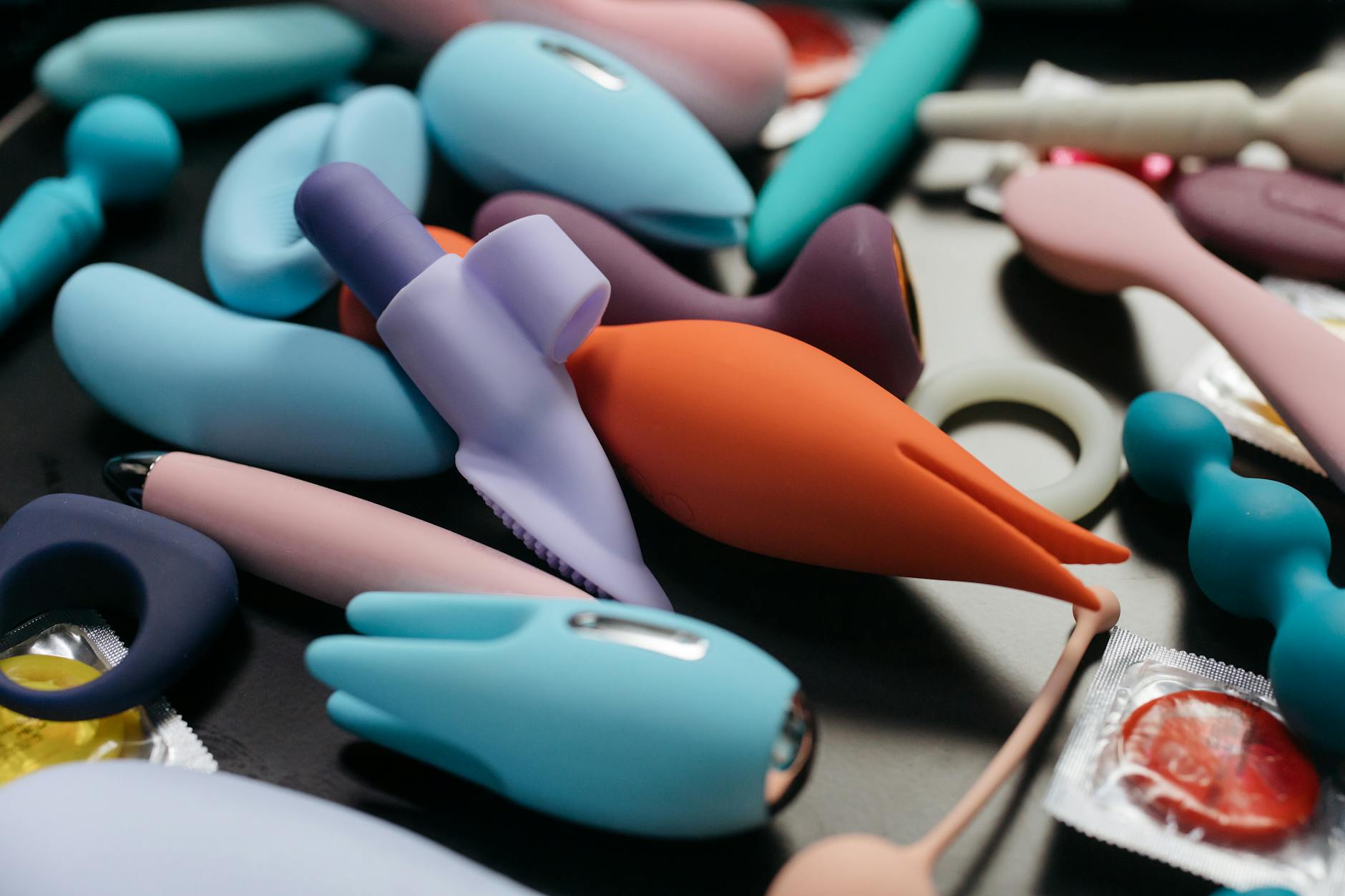
When numbness breaks, things get complicated
Let's be real. You've probably spent so long without sensation that you've stopped expecting it to come back. Maybe it's been years since pleasure felt like anything at all. And then something shifts. A touch lands differently. A thought lingers a little longer. Something wakes up, and suddenly you're not sure what to do with it.
This is not the same as starting from zero. This is starting from a place of long silence, and that changes everything about how you rebuild.
Why numbness happens (and why it matters that it's ending)
Long-term numbness rarely has a single cause. It's usually a perfect storm: chronic stress that depletes desire, disconnection from a partner that makes touch feel like an obligation, depression that flattens sensation, or sometimes just years of not prioritizing pleasure because you stopped believing it was available to you.
The nervous system learns. When you spend years not feeling, your body becomes efficient at not feeling. The nerve pathways that carry pleasure signals get quieter. Arousal takes longer to build, if it builds at all.
But here's what matters: the capacity is still there. The nerves haven't died. The clitoral tissue, the vaginal walls, the entire erotic nervous system is waiting. And when sensation starts to return, it's because something has shifted in your nervous system's willingness to wake up again.
The strange discomfort of feeling again
When numbness starts to crack, the first feeling is often not pleasure. It's overwhelm.
I've worked with countless couples where one partner suddenly feels something after years of nothing, and their first response is panic. It can feel too intense, too vulnerable, too much exposure to something they've learned to protect themselves from. Your body learned numbness as a survival strategy, and waking it up feels risky.
That's completely normal. And it's why jumping straight to a high-intensity toy or aggressive stimulation backfires. Your nervous system has been in a low state for so long that even moderate sensation can feel shocking.
A lemon vibrator, specifically something like the Lem with its suction-based stimulation, works differently than a traditional vibrator. Instead of direct vibration that can feel jarring to newly awakened tissue, suction creates a broader, more diffuse stimulation. It's gentler to reintroduce sensation gradually.
How to pace yourself when sensation is returning
Three things to keep in mind as you're rebuilding:
Start absurdly low. If the Lem has five intensity levels, your starting point is level one. Not level two. Not "somewhere in the middle." Level one, for as long as it takes to feel comfortable. This might be weeks. That's not a sign something's wrong. It's a sign your nervous system is recalibrating.
Build time into the experience. Numbness didn't happen overnight, and sensation won't return that way either. Budget 20-30 minutes for an experience. The first 10 minutes might feel like nothing. That's the warm-up. By minute 15 or 20, your body might start to respond. Let it have the time.
Separate sensation from orgasm. This is crucial. The goal right now is not to come. The goal is to feel. Your brain has probably linked pleasure with performance for so long that you've forgotten what it feels like to just experience touch without needing it to go anywhere. Some sessions, you'll feel something and that's the win. Some sessions, nothing happens and that's also the win because you showed up.
What you're actually rebuilding
When sensation returns after long numbness, you're not just waking up physical nerves. You're also rebuilding trust in your own body.
For years, your body betrayed you by not feeling. Or your brain told you feeling wasn't safe. Or your relationship dynamic made pleasure feel impossible. Now you're asking your nervous system to take a risk again. That takes psychological work alongside the physical exploration.
This is where honesty with yourself matters. If your numbness came from relationship disconnection, using a clitoral vibrator alone won't fix that. If it came from depression, pleasure is part of recovery, but it's not the whole picture. If it came from trauma, you might need a therapist alongside the physical tools.
A lemon vibrator can absolutely help you reconnect with your own capacity for sensation. But it works best when you're also doing the emotional work of understanding why numbness happened in the first place.
Why suction stimulation is particularly useful here
When sensation is returning after numbness, tissue sensitivity is unpredictable. Some days it feels like nothing. Some days even light touch feels too intense. Traditional vibrators, with their steady buzzing, can feel either inadequate or jarring depending on the day.
Suction-based stimulation, like what the Lem provides, is different. The suction creates a gentle pressure that stimulates a broader area of tissue at once. It's less about direct friction and more about creating a rhythm of pressure and release. For someone rebuilding sensation, this tends to feel more manageable and more pleasurable than straight vibration.
It's also easier to control. If intensity overwhelms you, you can remove the device instantly. The sensation doesn't linger the way a strong vibration might.
The role of your partner (if you have one)
If you're in a relationship, this is a time to bring your partner in carefully. Not to perform for them, but to help them understand what's happening in your body.
Many partners don't realize that numbness wasn't a reflection of them. When sensation was gone, it wasn't their touch that was the problem. But as sensation returns, partners sometimes interpret it as suddenly being attracted again or suddenly wanting sex, when really you're just rebuilding your own nervous system's capacity.
Having a conversation about what you're exploring, why you're exploring it alone for now, and what you might want together later can prevent a lot of misunderstanding. Some partners want to be involved immediately. Some need reassurance that sensation returning doesn't mean you're ready for partnered sex. Both are valid.
If rebuilding intimacy alongside your own sensation recovery feels relevant, there's more specific guidance on how to use a lemon vibrator when building intimacy feels awkward after time apart.
When to get support
If sensation is returning and it's painful, or if numbness is accompanied by severe depression or trauma responses, this is not a solo journey. A therapist, ideally one trained in somatic therapy or trauma-informed work, can help you understand what's underneath the numbness and make sure you're safe as you wake up your body again.
Your doctor should also know if numbness was lasting. Sometimes it's purely psychological, sometimes it's hormonal, sometimes it's medication-related. Knowing the source helps you understand what to expect as sensation returns.
The timeline you should expect
Sensation rarely returns all at once. It returns in waves. One week you feel something new and it's exciting. The next week, nothing. That's not failure. That's how your nervous system recalibrates after being offline for so long.
Most people start noticing consistent sensation within 4-6 weeks of regular exploration. By 3 months, many report feeling genuinely reconnected to their body. But everyone's timeline is different, and comparing yours to someone else's is a waste of energy.
What matters is consistency, patience, and remembering that you're rebuilding something that took years to fade. It gets to take time to come back.
FAQ: Sensation returning after long numbness
Why does sensation feel uncomfortable when it first comes back?
Your nervous system has been in a low state for years. When it wakes up, even normal sensation can feel jarring or overwhelming. This is similar to what happens when you've been sitting down for hours and then stand up. The blood flow returns, and it feels strange before it feels normal. Your body needs time to adjust. This discomfort usually fades within a few weeks of gentle, consistent exploration.
Should I use lubricant even if sensation is returning?
Yes, always. Lubricant helps you move the device more smoothly and reduces friction that might feel overwhelming to newly sensitized tissue. Water-based lubricant is ideal if you're using silicone toys. Lubrication also psychologically helps because it removes the pressure to be naturally lubricated, which can feel impossible when you're rebuilding sensation.
Is it normal for orgasms to feel different or weaker when sensation first returns?
Completely normal. After years of numbness, your nervous system might not remember how to build to a full orgasm. Early orgasms after a long numb period are often smaller, shorter, or feel different in quality. This doesn't mean something's wrong. It means your body is remembering. Over time, orgasms typically deepen and become more recognizable as pleasure returns fully.
Can I use a lemon vibrator if I have sensitivity or pain with touch?
Sensitivity is different from numbness, so this depends. If you have generalized pain with touch, start at the absolute lowest setting and use the device over clothing or through a barrier initially. If pain is localized to specific areas, a healthcare provider can help you understand whether it's related to the numbness recovery or something else. A clitoral vibrator like the Lem can often help desensitize painful areas over time, but only if you're moving slowly.
What if sensation returns but desire doesn't?
Sensation and desire are separate systems. You can feel physical pleasure without wanting sex, and this is especially common in people recovering from long numbness. Sometimes desire lags behind sensation by weeks or months. Sometimes desire needs relational repair, not just physical recovery. If sensation is returning but desire feels stuck, that's worth exploring with a therapist or with your partner if you're in a relationship.
How do I know if numbness is coming back or if I'm just having an off day?
True numbness feels consistent. An off day feels like a single day where sensation is quiet. Numbness returning would be a pattern over several days or weeks. Pay attention to the pattern, not the individual experience. If you're noticing a pattern of increasing numbness after weeks of sensation, that's worth checking in with a healthcare provider about, especially if your stress levels or relationship dynamics have shifted.
Moving forward
Sensation returning after years of numbness is not just physical. It's a sign that something in you is ready to feel again. That's brave. That's worth honoring, even on the days when nothing seems to be happening.
Your body didn't forget how to feel. It was protecting itself. And now, with patience, the right tools, and permission to move slowly, it's remembering. That's the real win.