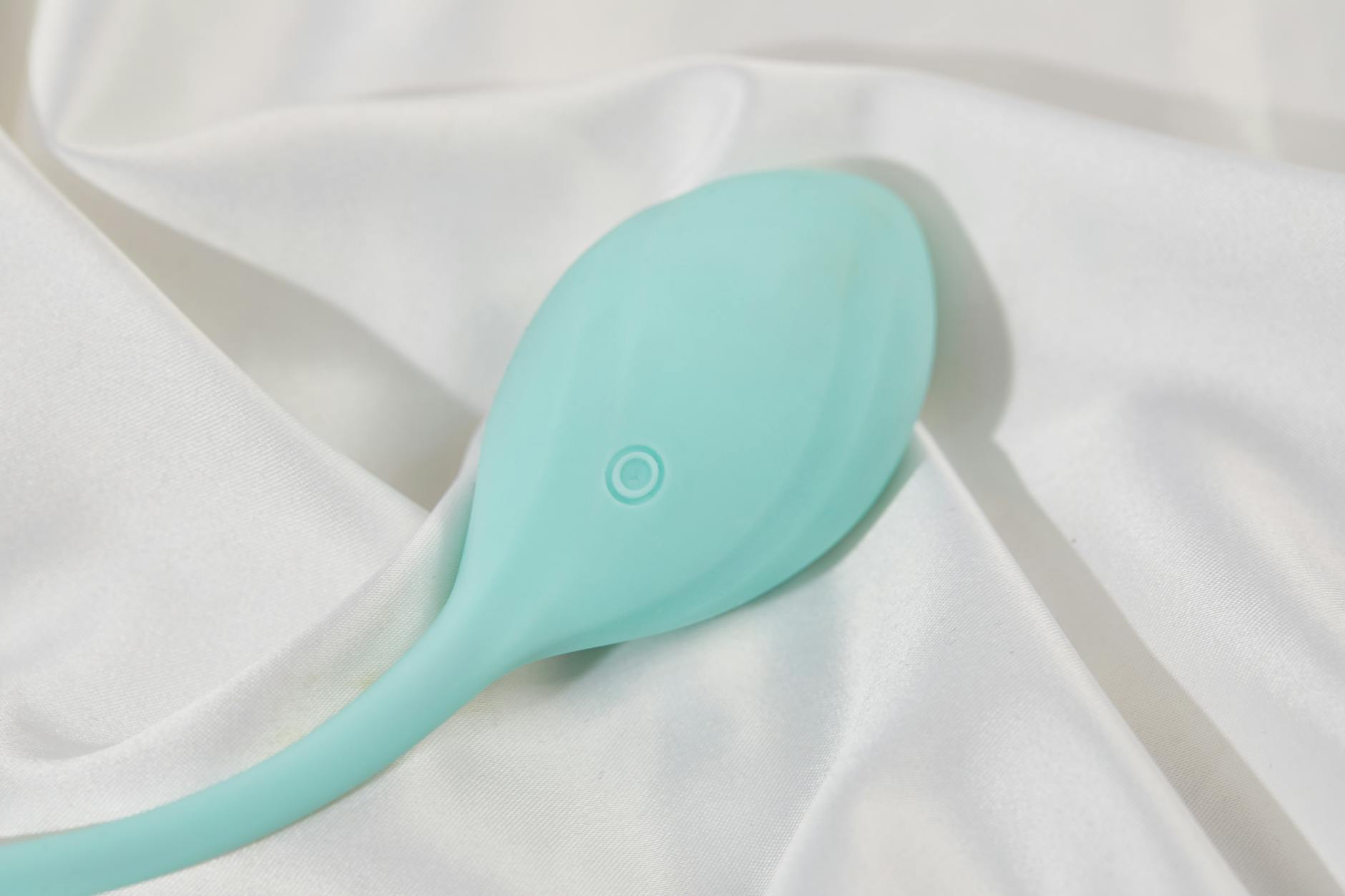
Hormonal shifts change everything. But not in the way you think.
Let's be real. When your hormones shift—whether from birth control, pregnancy, menopause, or just natural cycling—your vulva gets more sensitive. That's not weakness. That's your tissue responding exactly as it should. The problem is that most vibrators were designed for bodies that aren't in that state. A lemon vibrator works differently, which means it works better for you right now.
I work with people navigating this transition all the time, and the same pattern shows up: they try their old toy the same way they always have, it feels too intense or uncomfortable, and they assume they're broken. They're not. They just need a different approach.
What actually happens to your vulva after hormonal changes
Estrogen is the tissue integrity hormone. When it drops—whether gradually or suddenly—your vulval skin becomes thinner and more permeable. The tissue is literally more delicate, with less of the natural cushioning it had before. This means traditional vibrators that worked fine six months ago can feel sharp, overstimulating, or even painful now.
Your nerve sensitivity increases at the same time. You're not numb; you're actually more responsive. That sounds like a win, and it can be, but only if you're using a toy that matches this new sensitivity.
The clitoral tissue also has less of the natural lubrication oil your body used to produce. And the pelvic floor muscles lose some of their estrogen-dependent tone, which changes how orgasms feel and how deep stimulation reaches.
This is why a lemon sucker works so well during this phase. Instead of direct buzzing friction—which can feel too sharp on thinner tissue—suction creates a gentle, rhythmic pressure that stimulates without irritating.
The setup matters more than the toy itself
Before you even turn on your lemon vibrator, three things need to be in place.
First, lubrication. Use it generously and reapply often. Your body might not be producing as much natural lubrication right now, which means friction without extra lube will feel uncomfortable or painful. A good water-based lube is non-negotiable. Apply it to your vulva, then add another coat right before you start. Reapply every few minutes during longer sessions.
Second, time and patience. Arousal takes longer to build when your estrogen is low. Budget 15 to 20 minutes just for warm-up—touching yourself, partner touch, whatever gets you mentally and physically engaged. Your clitoris needs time to engorge and become more receptive to stimulation. Rushing this makes everything feel off.
Third, a clear intention about intensity. Don't start on the highest setting and assume you'll work down. Do the opposite. Start on the lowest pattern, spend time there, and only move up if you want more. Most people with sensitive vulvas after hormonal shifts find their sweet spot on settings 2 or 3 of a lemon clitoral vibrator, not 5 or 6.
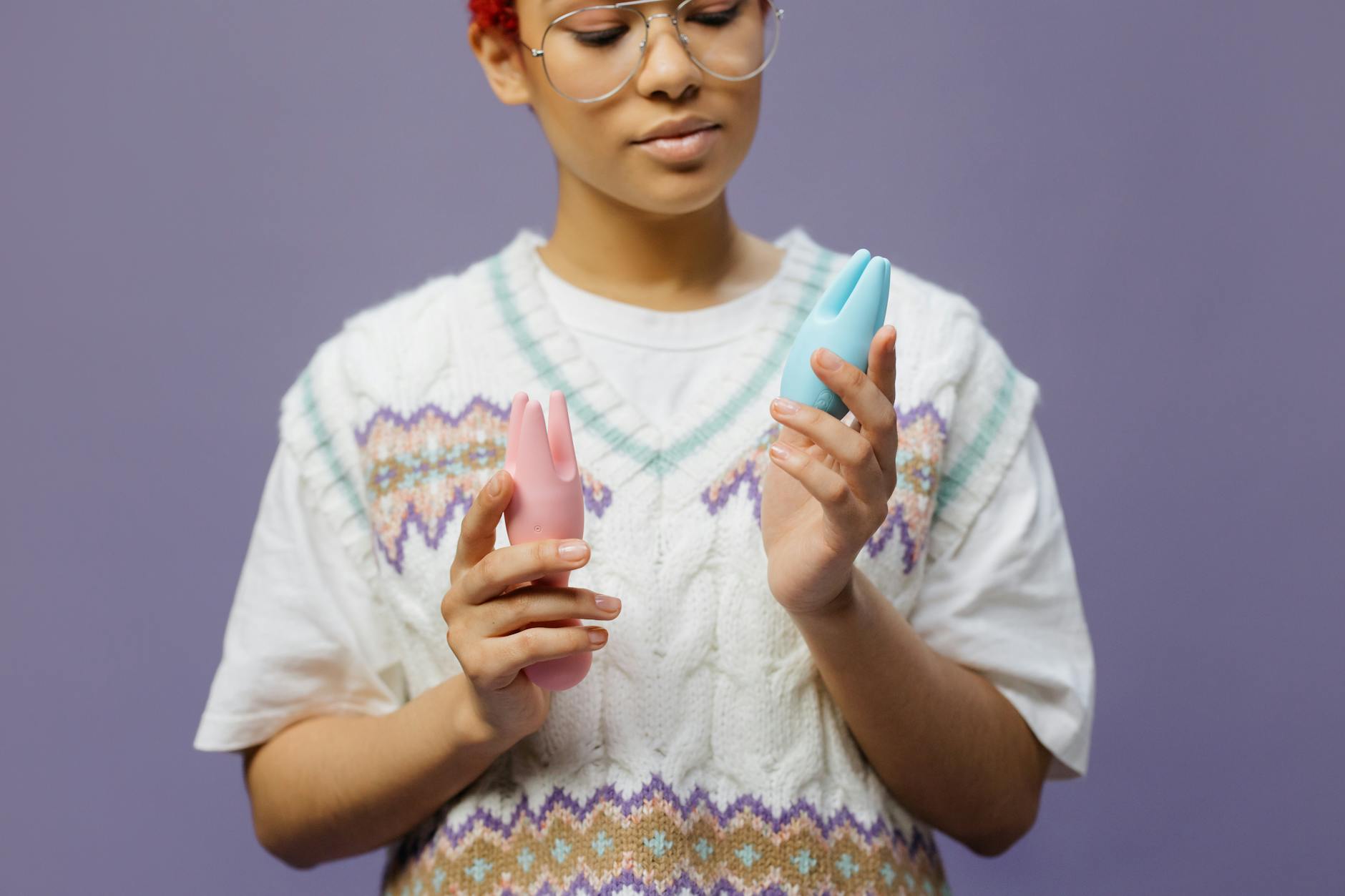
Photo by cottonbro studio on Pexels
How to position your lemon vibrator for comfort and pleasure
The angle and contact point matter hugely when your vulva is sensitive. Here's what works.
Start with the lemon vibrator held at a 45-degree angle below the clitoris, not directly on top. This disperses the suction pressure across a wider area instead of concentrating it at one point. The sensation feels broader and less intense.
Make gentle contact first, just barely pressing the opening against your skin. You're not going for a seal right away. Let your body warm up to the toy. After 30 seconds to a minute, you can increase the contact slightly, but stay light. Think of it as an invitation, not a grip.
If direct clitoral contact feels too strong, move the toy slightly to the side, stimulating the vulval vestibule (the tissue around the clitoris) instead. You'll still feel the suction, but it's diffused and often more pleasurable when your tissue is tender.
Rotate the angle and position every couple of minutes. This prevents the sensitive tissue from being overstimulated in one spot and keeps the sensation fresh.
The slow-motion approach that actually works
When your body is in a hormonally sensitive phase, tempo matters more than intensity. Slow, sustained stimulation at a lower setting beats rapid-fire high-intensity pulses every time.
Let the lemon vibrator work at a steady rhythm for 30 seconds, then release contact entirely for 15 seconds. This pulsing on and off prevents desensitization and keeps the sensation novel. Your nerve endings need breaks, especially now.
Many people find that using the toy on one consistent pattern for the entire session works better than switching patterns frequently. Your body gets used to the rhythm, and you can actually relax into it instead of constantly re-orienting to something new.
If you're with a partner, let them operate the toy while you focus on breathing and relaxation. Partner-controlled stimulation often feels easier to receive when you're sensitive, because you're not managing the pressure yourself.
What to do if it still feels uncomfortable
If suction itself feels too intense even at the lowest setting, try using the lemon vibrator with a cloth barrier. Sounds weird. Works brilliantly. Place a thin piece of soft fabric—cotton underwear, a silk scarf, whatever you have—between your vulva and the toy opening. This breaks up the suction intensity while keeping the stimulation. Some people need this for a few weeks; others discover it's their permanent preference. That's fine.
If you feel pain (not intensity, but actual pain), stop. Hormonal changes can sometimes unmask or create conditions like genitourinary syndrome or vulvodynia that need clinical attention. Talk to a gynecologist or sexual health specialist before continuing. Pleasure should never hurt.
If numbness or lack of sensation is your issue, that's different from sensitivity, and it needs a different strategy. Building sexual sensitivity with a lemon vibrator when your arousal threshold is high covers that scenario in detail.
The role of mindset in using a lemon vibrator right now
Honestly though, the biggest barrier I see isn't physical. It's the belief that your body is broken because it responds differently now.
Your vulva isn't broken. It's just at a different point in its cycle. And a lemon vibrator is specifically designed to work with bodies in transition, which is exactly what you are right now. That's not a compromise. That's a match.
Expect your first few sessions to be about exploration, not orgasm. Your job is to figure out what pressure, angle, and pace feel good now. Pleasure isn't the goal of that exploration. Information is. Once you know what works, pleasure follows naturally.
And if hormonal changes mean you need to adjust how you use a lemon clitoral vibrator, that's not regression. That's adaptation. You're learning your body in a new season of life. Most people find that's actually more satisfying than the old way, because there's real attunement involved.
When to loop in a healthcare provider
If you're navigating hormonal changes and wondering whether to see a specialist, the answer is yes if any of these apply: persistent pain during or after using a vibrator, total loss of sensation even after adjusting technique, or a dramatic shift in arousal that feels distressing.
A menopause specialist, sexual health doctor, or pelvic health physical therapist can rule out underlying conditions and sometimes offer treatments that make everything easier. Topical estrogen cream, for instance, can restore some tissue thickness if you're in menopause or postpartum. Hormone adjustment might help if you're managing birth control side effects. You don't have to white-knuckle your way through this alone.
And if you're curious whether how lemon vibrators work differently on vulvas with low estrogen applies to you specifically, that post breaks down the physiology more deeply.
FAQ: Using a Lemon Vibrator With a Sensitive Vulva After Hormonal Shifts
How long does it take to adjust to a lemon vibrator if your vulva is sensitive?
Most people need 3 to 5 sessions to figure out what works. Some take longer, some figure it out faster. The key is consistency without pressure. Use it every few days, not daily at first, and pay attention to what your body is telling you. Once you've found your comfort zone with positioning and intensity, adjustment is usually quick.
Can you use a lemon vibrator if you have pain from hormonal changes?
It depends on the type of pain. If it's general sensitivity or mild discomfort, adjusting lube, position, and intensity often helps. If it's sharp pain or persistent pain, that's worth investigating with a healthcare provider before continuing. Pain isn't a sign to push harder. It's information that something needs to change.
Is it normal for a lemon sucker to feel uncomfortable at first?
Completely normal, especially if your vulva is sensitive from hormonal shifts. The suction sensation is different from traditional vibration, and your body needs time to get used to it. Start at the lowest intensity, keep sessions short, and reapply lube frequently. Most people find that the discomfort resolves within a few sessions as they adjust the positioning and pressure.
What's the best lube to use with a lemon clitoral vibrator if your tissue is sensitive?
Water-based lubes work with silicone toys without degrading them. Look for ones without glycerin if you're prone to yeast infections, and without parabens if your tissue is reactive. Reapply generously and often. Some people find that staying-power lubes (hyaluronic acid-based) work better for longer sessions because they don't dry out as quickly.
Should you use a lemon vibrator less often if your vulva is hormonally sensitive?
Not necessarily. Daily use is fine as long as you're comfortable and you're not experiencing pain or irritation. Some people find that using it every other day feels better in the adjustment phase, then shift to daily once they know what works. Listen to your body. If it feels sore or irritated, take a day off. If it feels great, there's no reason to restrict yourself.
Can hormonal birth control or HRT change how a lemon vibrator feels?
Absolutely. Any change in hormones—starting or stopping birth control, beginning HRT, natural cycling—can shift tissue sensitivity and lubrication. You might need to adjust your positioning, intensity, or lube situation when your hormones shift. That's normal. Think of it as recalibrating, not starting over.
The bottom line
Your vulva is not broken. Your hormones have shifted, and your tissue has adapted. A lemon vibrator is built for exactly this moment because it delivers stimulation in a way that works with sensitive tissue, not against it. Start slow, use lube generously, and give yourself permission to explore what feels good now. Your body deserves attention and care through this transition, and you deserve pleasure on the other side.
If you're navigating larger questions about intimacy during hormonal change, or if you want to talk through how this affects your relationship or sense of self, that's what we're here for. Reach out anytime.