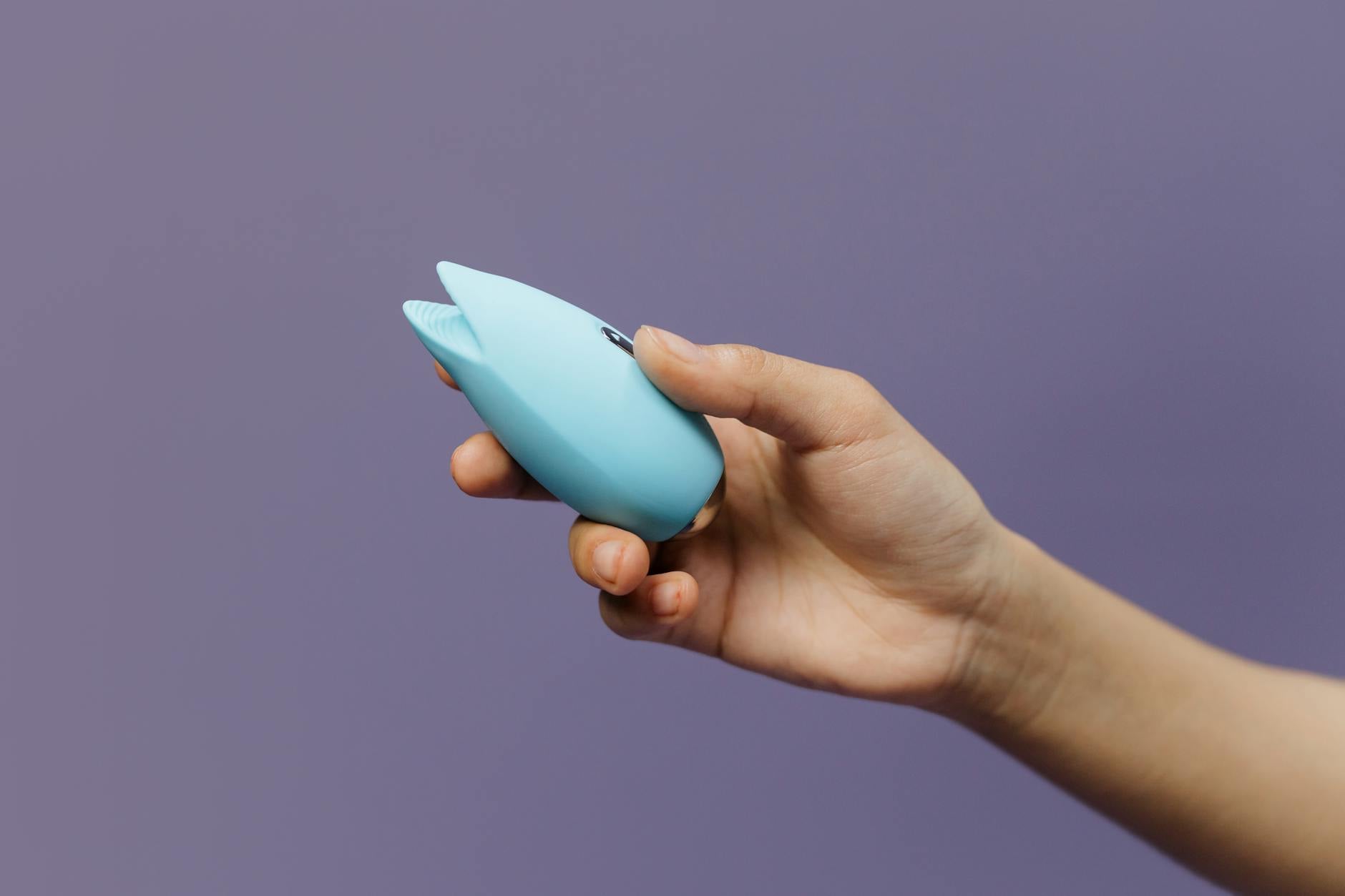
How Long Does It Take to Adjust to Lemon Vibrator Suction Stimulation
Honestly? There's no single answer, and that's exactly the problem. Everyone talks about lemon vibrators like they're intuitive the moment you switch them on. They're not. A lemon clitoral vibrator uses suction and gentle pulsing, not the direct buzz you might be used to. Your body needs to learn how to respond to that sensation. Some people crack it in a single session. Others need two to four weeks of consistent, low-pressure exploration before things click.
The timeline matters because most people give up too fast. They expect the same intensity response they'd get from a traditional vibrator, don't get it on day one, and assume they're broken or the toy isn't for them. Neither is true. Your nervous system is just recalibrating.
Let me walk you through what the adjustment actually looks like, what speeds up the process, and when you should worry that something's genuinely not working versus when you just need patience.
The first session almost never tells you the real story
Your first time using a lemon suction vibrator is like the first time you tried coffee or wine. The sensation is novel. Your body doesn't know what to do with it yet. You might feel confused, underwhelmed, or overstimulated. All of those responses are completely normal and tell you almost nothing about long-term compatibility.
In the first session, most people report one of three things. First bucket: it feels amazing immediately, which is genuinely possible and totally valid. Second bucket: it feels weird or mildly uncomfortable, which usually means the intensity is too high or you're applying it too firmly. Third bucket: nothing much happens, which usually means you're tense or the sensation is so new that your nervous system hasn't caught up yet.
The key detail nobody mentions is that your pelvic floor muscles tighten when you're anxious or exploring something unfamiliar. A lemon vibrator works best when you're relaxed. If you go in expecting traditional vibration and holding your breath, you'll short-circuit the whole experience.
The two-week window is where most adaptation happens
This is the sweet spot where real learning occurs. By week two of consistent use, your nervous system has gathered enough data to start recognizing the suction sensation as pleasurable rather than strange. You'll notice small shifts. Maybe the pulsing mode starts to feel more refined. Maybe lower intensity settings become more satisfying instead of just feeling weak. Maybe your body figures out the angle that works for you.
During weeks one and two, keep a few things locked in. Use the same environment if possible. Stay relaxed. Keep intensity relatively low (pattern one or two on a lemon vibrator). This isn't the time to test every feature. You're teaching your nervous system to recognize and respond to this specific type of stimulation. Consistency matters way more than experimentation right now.
If you're using a lemon suction vibrator with a partner, resist the urge to make it a performance event during this window. The moment somebody's watching and waiting for you to react, your pelvic floor tightens, cortisol spikes slightly, and your body stops cooperating. Adjust to it solo first. Then integrate it into shared pleasure later.
What actually changes in your nervous system response
This is the part that matters technically. When you first encounter suction stimulation on the clitoral area, your nervous system has to figure out what's happening. Suction creates a different sensation profile than vibration. It builds differently. The peak feels different. The recovery feels different.
Over the course of two to four weeks, your sensory nerves literally build better connections to interpret this stimulus as pleasurable. You're not becoming more sensitive. You're becoming more literate with the sensation. It's like the difference between hearing a new piece of music and loving it immediately versus hearing it five times before it clicks. The music hasn't changed. Your brain's pathway for processing it has.
One wild side effect some people report: once you adapt to suction, traditional vibrators can feel jarring or one-dimensional by comparison. That's not because suction is objectively better. It's because your nervous system has learned a new language, and the old one suddenly feels less sophisticated.
The variables that speed up or slow down adaptation
Not everyone's timeline is the same, and it's worth knowing what shifts the needle.
Three things speed up adaptation. First, relaxation and zero performance pressure. If you can create an environment where you're exploring purely for your own data, not for a result, your body relaxes faster and learns faster. Second, previous experience with air-pulse or suction toys. If you've used anything remotely similar (even a different lemon clitoral vibrator), the adjustment is often just days instead of weeks. Third, lower baseline anxiety or stress. People who are generally relaxed tend to adapt faster because their pelvic floor isn't chronically tight.
Three things slow adaptation. First, high initial intensity. If you jump to pattern five on a lemon vibrator during week one, you're overloading your sensory system. Your body goes defensive. Start lower. Second, sporadic use. If you use it once every two weeks instead of two to three times per week, your nervous system doesn't build the pathway efficiently. Consistency accelerates learning. Third, underlying tension or pain. If you have pelvic floor dysfunction, endometriosis, or trauma history, adaptation might take eight to twelve weeks instead of four. That's not a problem. That's just real.
When you should worry and when you should wait
Here's the distinction that matters. If you're having pain during or after use, or if the sensation feels genuinely wrong (like pinching, sharp sensations, or burning), something's off. That's worth investigating. Check the intensity. Check your pelvic floor tension. Maybe try a different lemon clitoral vibrator style. Maybe check in with a pelvic floor physical therapist.
If you're just not feeling pleasure or orgasm yet after two weeks, that's not a signal to quit. That's a signal to check your approach. Are you relaxed? Is the intensity right for your body? Are you giving yourself time, or are you rushing to results? Is there stress in your life that's dampening your nervous system response?
The distinction is basically: pain or actual wrongness means investigate. Lack of immediate results after two weeks means keep going, adjust something, and give your body more time.
Most people who stick with a lemon suction vibrator past week three report that something shifts. The sensation stops feeling novel and starts feeling natural. That's when you can start experimenting with intensity, patterns, and integration into partnered pleasure if that's relevant to you.
How to set yourself up for faster adaptation
If you want to collapse the learning curve, a few tactical moves help. One: start solo and relaxed. No audience, no pressure. Two: use the lowest effective intensity, not the highest tolerable one. That teaches your nervous system to recognize subtlety. Three: experiment with angle and positioning. The angle matters way more with suction than with traditional vibration. Four: separate this exploration from any performance or partnered context initially. Your nervous system learns better in pure curiosity mode.
If you're using a lemon vibrator for the first time after menopause or any major life transition, give yourself extra grace. Your tissue has changed. Your nervous system is recalibrating everything. Four weeks is reasonable instead of two. Same goes if you have any history of sexual pain or trauma. Your nervous system is being asked to update its threat assessment. That takes time.
The weird part nobody talks about: sometimes you need a break
Occasionally during the adjustment period, particularly around week two or three, some people report that the sensation suddenly feels overwhelming or too intense even at lower settings. This is sometimes called a sensitivity shift. It usually passes. Your nervous system is oscillating between learning the new sensation and protecting itself from overstimulation. If this happens, take a few days off. Your nervous system will recalibrate. Then try again.
This is different from sustained pain or discomfort. It's more like your body saying "okay, I got it, let me process for a second." Respect that signal. The adjustment actually moves faster if you take breaks when you need them instead of pushing through frustration.
Check your expectations about what adjustment looks like
One last thing that matters: adjustment doesn't necessarily mean you'll love it. Some people do. They adapt to suction and it becomes their go-to preference. Other people adapt perfectly well, their body learns the sensation completely, and they still prefer traditional vibration. Both are fine. The adjustment period is about your nervous system becoming literate with the sensation, not about forced enthusiasm.
If you've given a lemon clitoral vibrator a solid month of consistent, relaxed exploration and it still doesn't feel right, you have data. You're not broken. The toy's not wrong. It's just not the right fit for your body. That's useful information. Hello Nancy has other styles that might work better for you. The point of the adjustment period is to actually know whether something works before you decide it doesn't.
Frequently asked questions about suction adjustment
How do I know if I'm using too high intensity during the learning phase?
If the sensation makes you tense up, hold your breath, or feel like you want to push away, the intensity is too high. Go down one level. Real pleasure usually feels like you want to stay with the sensation, not escape it. During weeks one and two, aim for an intensity that feels noticeable but not demanding. You should be able to breathe normally.
Can I speed up adaptation by using my lemon vibrator every single day?
More frequent isn't always better. Three to five times per week is ideal for most people. Every single day can actually delay adaptation because you don't give your nervous system time to integrate learning between sessions. Think of it like learning a language. Daily immersion helps, but rest days where your brain consolidates information also matter. Three to four times weekly with full rest days in between usually optimizes the learning curve.
What if suction stimulation makes me uncomfortable in a way that doesn't go away after two weeks?
Take a break for a week and then try again. Sometimes a break resets the nervous system response. If it still feels wrong after that, it might genuinely not be the right tool for you. Alternatively, check whether the discomfort is about the suction itself or about something else in your life. Stress, tension, or relationship dynamics sometimes mask whether a tool is actually incompatible versus whether you need to address something else first.
Does the adjustment timeline change if I'm using a lemon vibrator with a partner versus solo?
Yes. Solo adaptation is usually faster because there's zero performance pressure and you can stay fully relaxed. If you're introducing it in a partnered context, give yourself an extra week or two of solo exploration first. Then integrate it. The adjustment period isn't shorter when someone's watching, even if that person is supportive and enthusiastic.
Why does suction feel so different from regular vibration?
Technically, suction creates a different pressure and pulsing pattern than traditional oscillating vibration. Suction builds sensation gradually through gentle negative pressure and release. Traditional vibrators create rapid back-and-forth movement. Your clitoral nerves respond differently to each. Neither is objectively better. They're just different inputs for your nervous system to process. That's why the adjustment period matters. You're literally learning a new sensory language.
If I haven't had pleasure or an orgasm by week three with a lemon suction vibrator, should I give up?
Not yet. Adaptation and pleasure response are separate things. You might adapt to the sensation completely while still taking longer to reach orgasm. Sometimes the orgasm response clicks once you're fully relaxed with the sensation, which might be week four or five. Give yourself at least four solid weeks of consistent, pressure-free exploration before you decide it's not working for your body. And if you're in a high-stress period of life, that timeline extends. Stress hormones genuinely interfere with pleasure response independent of the tool.
The practical takeaway
If you're new to a lemon clitoral vibrator or any suction-based toy, plan for two to four weeks of consistent, low-pressure exploration. Your nervous system will adapt faster than you think if you skip the performance element and just stay curious. Most people report that the click moment happens somewhere between week two and week four. After that, you have genuine data about whether this tool works for your body.
The adaptation timeline isn't a failure if it takes longer than one session. It's how your nervous system actually learns new sensations. Be patient with yourself. The best exploration happens when there's zero pressure and all curiosity. That's when your body stops bracing and starts actually responding.
If you want to learn more about getting comfortable with different types of stimulation, check out our guide on how to use a lemon vibrator when you're nervous about it for the first time. And if you're adjusting to suction stimulation specifically because your tissue has changed after life transitions, read up on why lemon vibrators work better for thinner tissue after menopause. Your body's learning curve is completely individual. Honor that.
Sources
Our content reflects evidence-based information on sexual health, neuroplasticity in sensory perception, and pelvic floor function. If you have concerns about adaptation, pain, or pleasure response, consult a pelvic floor physical therapist or sex-positive healthcare provider.