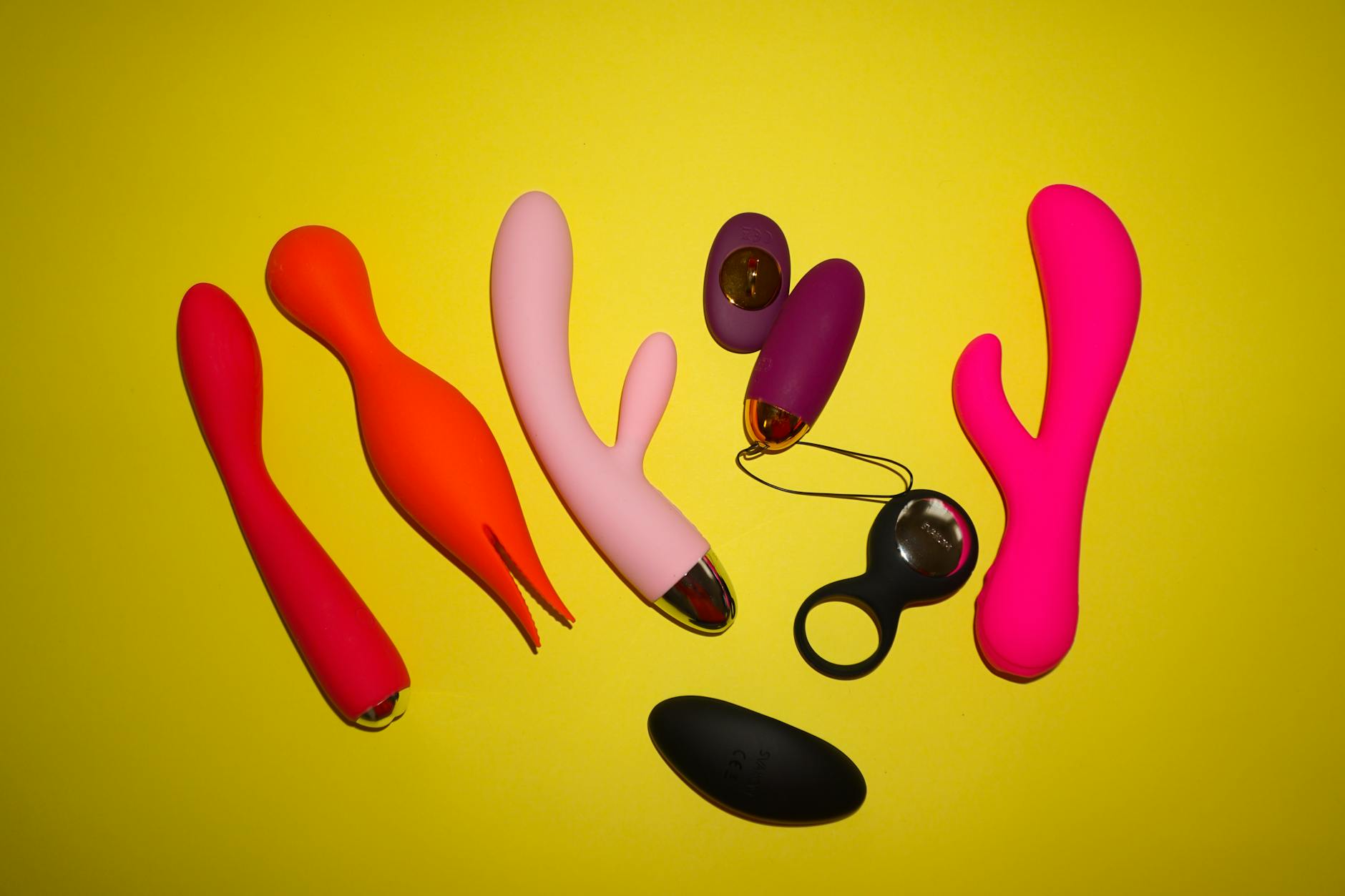
Here's what nobody tells you about menopause and your vulva
Your vulval tissue gets thinner. That's not poetry. That's biology. When estrogen drops during menopause, the tissue lining your vulva, vagina, and clitoris loses elasticity and moisture-holding capacity. The result: what used to feel amazing can suddenly feel tender, even raw.
The good news? This is incredibly common, totally manageable, and it doesn't mean the end of pleasure. It just means your tool selection matters more now.
Why friction-based vibrators become uncomfortable
Most vibrators work through friction. They buzz, they press, they rub. For years, this probably felt fine. Your tissue was thicker, more resilient, better lubricated. Now, friction-based stimulation can feel like sandpaper on thinner, more delicate tissue.
That's where suction-based toys like lemon vibrators change the game.
Unlike traditional vibrators, lemon sexual toys use gentle air-pulse suction rather than direct friction. Instead of abrading tissue, they create a seal around your clitoris and stimulate the underlying nerve clusters through waves of pressure. The difference isn't subtle. Many post-menopausal people describe it as the difference between feeling irritated and feeling incredible.
How lemon vibrators work on sensitive, thinning tissue
The clitoris has about 8,000 nerve endings concentrated in the glans. After menopause, that nerve density doesn't change. What changes is the tissue protecting it.
When tissue thins, direct pressure can trigger discomfort before pleasure. But suction distributes stimulation across a wider area, creating a gentler, more diffuse sensation. You're not grinding against delicate tissue. You're creating micro-movements of pressure and release that stimulate nerves without trauma.
This is why lemon clitoral vibrators often work better for people with thinning tissue, lichen sclerosus, or other conditions that make direct contact painful. The suction pattern is inherently more forgiving.
The science of vulval atrophy and sensation
Genitourinary syndrome of menopause (GSM) is the clinical term for what happens. Tissue thins, dries, loses elasticity, and becomes more prone to inflammation. It's not a side effect of aging. It's a direct result of the estrogen receptor sites in your vulval tissue no longer getting the hormone they need.
But here's the part that matters for pleasure: your clitoral nerve endings don't atrophy. They're still there, still sensitive, still capable of intense sensation. They just need a stimulation method that respects the changed tissue architecture.
That's where lemon vibrators, designed with suction technology, excel. They're engineered to work with post-menopausal anatomy, not against it.
Intensity settings and how to use them
If you're new to lemon vibrators after menopause, start low and work up. Most have 5-10 intensity levels. Start at level 1 or 2.
Your experience might surprise you. Because suction technology stimulates deeper nerve clusters, you might find that a lower intensity setting delivers more sensation than a higher setting on a friction vibrator you used to own. You're not numb. The stimulation just works differently.
Build your warm-up time too. Post-menopausal bodies often need 15-25 minutes of foreplay before the tissue has enough blood flow to feel generous. That's not a sign something's wrong. It's just how bodies work now. Use this time to breathe, relax your pelvic floor, and let sensation build gradually.
Lubrication matters more than you think
Even with a suction-based toy, water-based lube is your friend. It helps the seal form properly, reduces any friction at the entry point, and keeps tissue comfortable.
Use a generous amount. Seriously. If you're thinking "that seems like a lot," use more. Post-menopausal bodies produce less natural lubrication, and external lube compensates beautifully. Quality water-based lubes also have a lower osmolarity, meaning they won't pull moisture out of already-sensitive tissue.
Avoid silicone-based lubes if you're using a lemon vibrator (they're silicone toys). Silicone lube breaks down silicone surfaces over time. Stick to water-based.
Why lemon adult toys feel better than friction toys for you now
The core reason is physiological match. Your tissue changed. Your toy shouldn't.
Lemon vibrators were designed with suction technology that performs best on the kind of tissue you have now. This isn't a marketing pitch. It's a practical fit between changed anatomy and effective design.
Many of my clients report that they have better orgasms post-menopause than they did for years before. Some of that is freedom from hormonal cycling. Some of it is finally having permission to prioritize their own pleasure. And some of it is simply using a lemon clitoral vibrator that's designed to work with their body, not against it.
When to see someone about tissue health
If you're experiencing pain during or after use, that's worth a conversation with a menopause-trained gynecologist. Topical estrogen creams (applied directly to the tissue) can reverse thinning in weeks, making all stimulation more comfortable. There's no reason to white-knuckle through discomfort when treatment exists.
Similarly, if you're dealing with vaginal dryness that even generous lube doesn't fix, or if intercourse has become painful, mention it. These are textbook GSM symptoms. They're treatable, and treatment often restores comfort significantly.
Pelvic floor relaxation is half the battle
Here's something that doesn't get enough attention: menopause tightens the pelvic floor. Estrogen drop reduces blood flow and elasticity in the muscles supporting your pelvic organs. The result is often a reflexive tightness that makes everything feel more sensitive, sometimes uncomfortably so.
Learning to relax these muscles transforms the experience. Try this: before using a lemon vibrator, spend 2-3 minutes on pelvic floor relaxation. Breathe deeply. On the exhale, imagine your pelvic floor melting downward like a heavy weight dropping. This isn't Kegels (which tighten). It's the opposite.
Relaxed tissue feels better. Suction works better on relaxed tissue. This pairing is powerful.
The pleasure side of menopause is real
I work with a lot of people navigating menopause. What I see repeatedly is that pleasure doesn't end. It shifts. And often, it gets better because post-menopausal people have less anxiety, fewer hormonal distractions, and more permission to focus on what actually feels good.
The piece that's missing from most conversations is this: you need tools that match your anatomy now. Lemon vibrators do that. They deliver powerful sensation through a mechanism that respects thinned tissue. That's not a compromise. That's a better fit.
Frequently Asked Questions
Can I use a regular vibrator after menopause, or do I really need a lemon clitoral vibrator?
You can use a regular vibrator if it feels good. But many post-menopausal bodies find friction-based toys uncomfortable or even painful. Lemon vibrators, with their suction design, feel gentler on thinned tissue while delivering intense sensation. It's not that other toys are off-limits. It's that lemon sexual toys are often better-suited to the tissue you have now.
How long does it take to adjust to a lemon vibrator after menopause?
Most people find they enjoy lemon vibrators immediately. The suction sensation is different from friction toys, so there's a brief learning curve around which intensity feels right. But the mechanics typically feel more comfortable right away because suction respects tissue integrity better than friction does. Budget one or two sessions to dial in your preferred intensity level.
Does lube make a difference with lemon vibrators for sensitive tissue?
Absolutely. Water-based lube helps the suction seal form properly and reduces any micro-friction at the toy's edge. For post-menopausal tissue, generous lube is a game-changer. Use what feels like a lot. Your tissues will thank you. And remember: water-based only if you're using a silicone lemon adult toy.
Will a lemon vibrator help if I'm dealing with genitourinary syndrome of menopause?
A lemon clitoral vibrator can help make stimulation more comfortable, but GSM (tissue thinning, dryness, loss of elasticity) is best addressed with topical estrogen cream or systemic hormone therapy depending on your situation. These treatments actually reverse the thinning. Talk to your doctor. Lube and better toy design help. Medical treatment addresses the root cause.
Is it normal for sensation to feel different after menopause?
Completely normal. Nerve endings don't disappear, but the tissue surrounding them changes. Thinning tissue means stimulation needs to happen differently. This is why technique, intensity, warm-up time, and toy design suddenly matter more. It's not that you've lost capacity for pleasure. It's that your body needs an adjusted approach to access it.
Can using a lemon vibrator damage thinned tissue?
When used correctly, no. In fact, gentle stimulation increases blood flow to the area, which improves tissue health over time. But if you experience pain, stop and talk to a doctor. Pain is information. It might signal that you need topical estrogen, more lube, longer warm-up time, or lower intensity. It's fixable. Don't push through it.
Your pleasure deserves the right fit
Menopause changes your body. That's not failure. That's transition. And transition deserves tools designed for the body you have now, not the one you had at 30.
Lemon vibrators aren't a workaround. They're a better match. Suction-based stimulation respects thinned tissue while delivering sensation that can be more intense, not less. Combined with water-based lube, realistic warm-up time, and pelvic floor awareness, they often deliver some of the best orgasms people experience in their lives.
If pleasure has felt complicated or uncomfortable since menopause, it might not be that your body is broken. It might be that the tools need to change. Try a different approach. Your pleasure matters just as much as it always did. It just works differently now.
For more on navigating intimacy through midlife transitions, explore our guide on why women over 40 prefer lemon vibrators or learn how to introduce a lemon vibrator to your partner if you're sharing this experience. And if you're concerned about tissue health, check out why lemon vibrators work better for sensitive skin.
Sources
Genitourinary Syndrome of Menopause: Management Strategies for the Clinician. The American Journal of Obstetrics and Gynecology, 2021.
Palma, F., et al. "Vaginal Health in Menopause." Maturitas, 2015; 82(3): 308-313.
Vulvovaginal Atrophy: Diagnosis and Management. Journal of the American College of Obstetricians and Gynecologists, 2019; 134(4): e73-e84.