Here's the thing about rebuilding after betrayal
Sex is the last thing couples try to fix. And honestly? That's the smart move. But somewhere between the therapy sessions and the difficult conversations, physical intimacy does need to come back. Not rushed. Not forced. Not as proof of anything. Just as a way of saying, "I want to try this again with you."
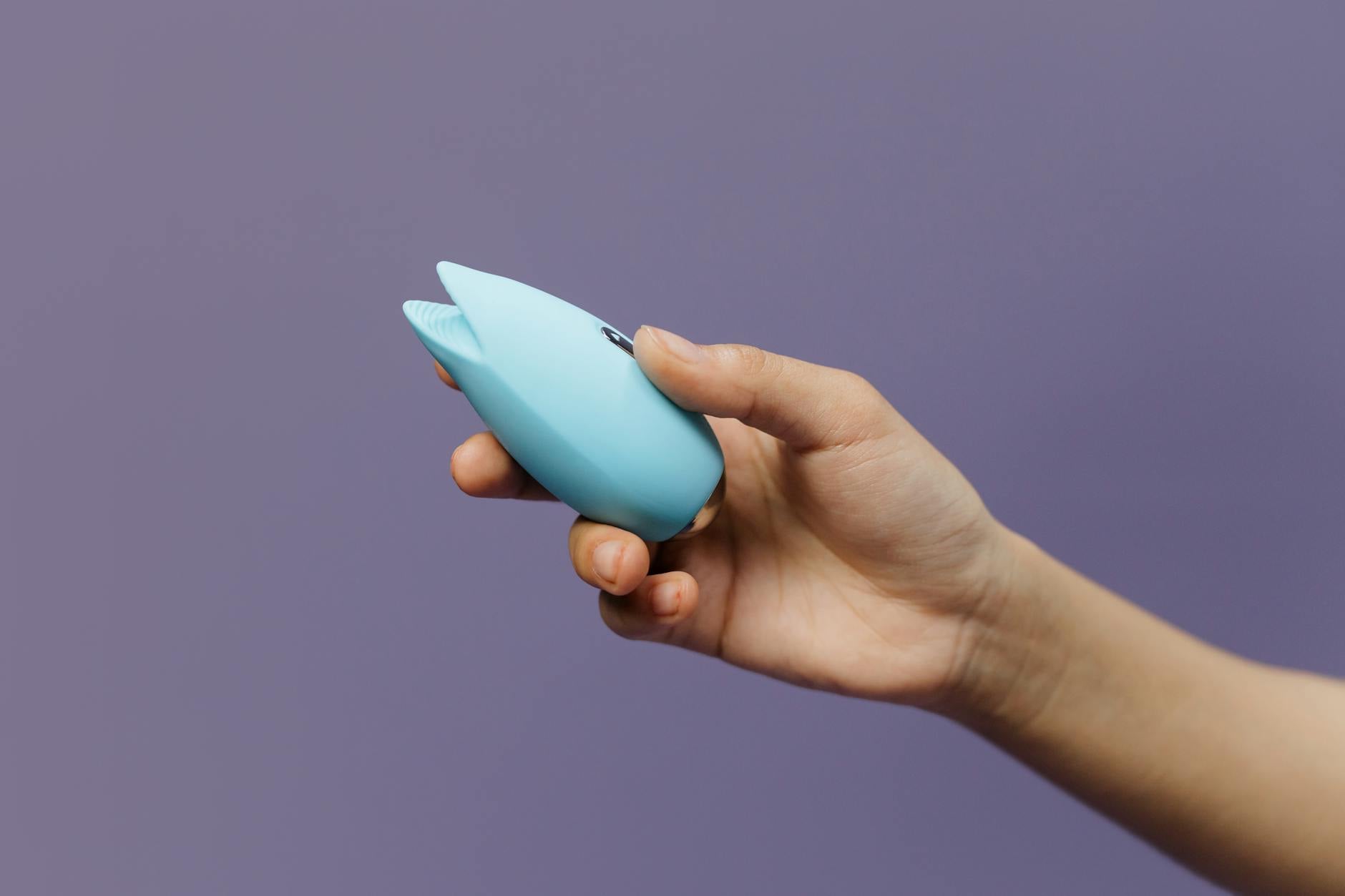
A lemon clitoral vibrator can be that bridge. Not because toys fix betrayal. They don't. But because they create a different context for touch. Lower stakes. Less performance. More sensation, less expectation. If rebuilding trust means starting from zero, then zero is exactly where you should begin.
Why lemon vibrators specifically help with trust rebuilding
Lemon vibrators change the power dynamics in the room, and that matters more than you think. When one partner is holding the toy and the other partner receives the sensation, there's a clarity to consent that gets muddy in traditional sex. "Do you want me to turn this up?" "Should I stay here or move?" "Does this feel good?"
These questions feel safer to ask with a toy between you than without one. The vibrator becomes a translator for desire when words still feel too loaded.
The other thing: lemon vibrators work with suction and pulsation, not friction. That means less pressure on the giver (you're not performing with your body, you're simply present) and more pleasure for the receiver (sensation that feels separate from the usual touch). After infidelity, that separation can feel healing. You're not replicating what came before. You're building something new.
Starting the conversation without more damage
Don't introduce a lemon vibrator by saying, "I want to get close to you again." That's too much weight. Instead, start smaller: "I've been thinking about how we could reconnect physically in a way that feels safer for both of us. I found something that might help. Would you be open to trying it?"
Note what's missing: apology energy, forced vulnerability, or any hint that the receiver is doing the betrayed partner a favor. This is a mutual exploration, even if the healing is asymmetrical.
If your partner says no, that's information. Don't push. That's rebuilding trust in real time. If they say maybe, set a specific time. "Would you want to try this Friday evening?" Specificity helps with anxiety. Vagueness creates dread.
The physical setup that makes consent visible
Start clothed. Stay clothed for longer than feels natural. The goal is to separate pleasure from the old architecture of sex. You're rewiring neural pathways here, not just rebuilding habit.
One partner lies back or sits comfortably. The other partner holds the lemon vibrator (not inside, just external stimulation on the clitoral area). Start on the lowest setting. There is no rush. There is no endpoint.
The receiving partner narrates. "That feels good right there." "A little higher." "Can you hold it steady?" "I want to stop." Any of those sentences are valid and should be met with immediate compliance, no negotiation.
The giving partner's job is to listen and follow. Not to strategize. Not to prove anything. Just to be trustworthy in small, physical ways. That's how trust rebuilds. One instruction followed. One boundary respected. One session at a time.
What to expect emotionally in the first session
There's a decent chance that pleasure will feel strange or guilty. That's normal. The body remembers betrayal. It gets suspicious of vulnerability again. If your partner feels tears or numbness or unexpected anger during pleasure, pause. Ask what they need. Sometimes what they need is to stop. Sometimes they need to keep going, knowing you'll stop the second they ask.
You might feel shame or pressure to perform arousal perfectly. You might also feel relief that you're doing something together instead of processing grief alone. Both are valid.
Don't talk about what happened during the session immediately after. Let the nervous system settle. The next morning or evening, you can check in: "That felt okay?" "Do you want to try again?" "What would make it feel better?"
Building a rhythm that creates predictability
After infidelity, predictability is a form of trust. So if you both want to continue, do it the same day and time each week. Friday evenings. Wednesday mornings. Whatever. The consistency matters more than the frequency.
You can vary what you do within that window. Try different settings on the lemon vibrator. Spend more time on warm-up. Integrate touch outside of the toy. But the structure itself should feel reliable.
When trust is fractured, the nervous system needs rhythm to feel safe again. A weekly time slot isn't unsexy. It's one of the sexiest things you can offer, because it says: "You matter enough that I'm protecting time for you. You matter enough that I'm not too busy or distracted or looking elsewhere."
When to involve a therapist in this process
If either of you feels frozen during physical intimacy, or if pleasure triggers a flashback or panic response, bring that to your couple's therapist. A sex-positive therapist (emphasize the sex-positive part when you call) can help you navigate what's happening in the body.
If one partner consistently says no to physical reconnection, or if resentment is building faster than trust, that's also a therapy conversation. A lemon vibrator isn't a substitute for processing what happened. It's a tool you use after you've started the work.
Similarly, if you're considering how to use a lemon vibrator with your partner in other contexts, the principles are the same: consent, communication, and starting slow. But the emotional landscape after infidelity is different enough to warrant its own framework.
The realism check
Using a lemon vibrator won't fix a broken relationship. It won't erase what happened. It won't make you trust your partner the way you did before, because that trust is gone and it's okay to acknowledge that it was naive.
What it can do is create a new form of intimacy that's built on different ground. Not trust that they won't hurt you (that's not realistic). But trust that in this moment, in this specific context, you're both choosing to be vulnerable together. That's a smaller trust. And sometimes smaller trusts are the only ones that last.
If you're also navigating physical changes alongside the emotional ones, resources like how to use a lemon vibrator with lower estrogen after perimenopause can help you troubleshoot sensation changes that might feel separate from the trust piece but actually matter a lot.
You don't need to be a perfect couple to deserve pleasure. You need to be a willing one.
FAQ: Rebuilding intimacy with a lemon vibrator after betrayal
How soon after infidelity should we try using a lemon vibrator together?
There's no timeline. Some couples are ready after three months of therapy. Others need a year or more before touch feels safe again. The question isn't "how long should we wait" but "do we both feel ready now?" If it's one yes and one maybe-later, that's a no. If it's two yeses, you can try.
What if I feel pressure to have an orgasm when my partner is using the lemon vibrator on me?
Orgasm isn't the goal. Pleasure is. And sometimes they're the same thing, and sometimes they're not. If you notice yourself tensing up to perform, pause and say it out loud: "I'm feeling pressure." Then decide together: keep going without the pressure, or take a break. Both are rebuilding trust.
Can we use a lemon vibrator if we're still in couples therapy but haven't fully processed the infidelity?
Yes, if both partners consent. Therapy and physical reconnection don't have to happen in sequence. They can happen in parallel. Just tell your therapist what you're doing, so they can help you notice any patterns or emotions that come up.
What if my partner wants to use a lemon vibrator and I'm not ready yet?
Say so. "I appreciate you wanting to reconnect. I'm not ready to receive pleasure from you yet, but I might be in a few months. Can we check in then?" That's a boundary and a possibility. Honor both.
Is it okay to use a lemon vibrator for solo pleasure while we're rebuilding as a couple?
Completely. Your own pleasure is separate from couple's pleasure. Solo sessions with a lemon clitoral vibrator can actually help you feel safer in your own body, which makes partnered sex feel less high-stakes. They're not in competition.
How do we know if physical reconnection is working or if we're just going through the motions?
You'll know because the conversations will change. Instead of talking about what happened, you'll be talking about what you want next. The weight will feel different. Not light, but different. If you're still rehearsing the same hurt weeks into trying the vibrator, that's a sign the physical piece isn't actually serving the emotional healing. Loop your therapist in.